United Nations agencies said funding for food assistance, emergency agricultural aid and nutrition in food-crisis settings fell 59% from 2022 to 2025, as 266 million people faced acute food insecurity.
The Food and Agriculture Organization of the United Nations (FAO) and the World Food Programme (WFP) said funding had fallen to a level last seen nearly a decade earlier. Separately, the 2026 Global Report on Food Crises, published by the Global Network Against Food Crises, found that 266 million people in 47 countries and territories faced high levels of acute food insecurity in 2025. They represented nearly 23% of the analyzed population, close to twice the 2016 share. The measure reflects acute food insecurity; it is not a literal count of people starving.
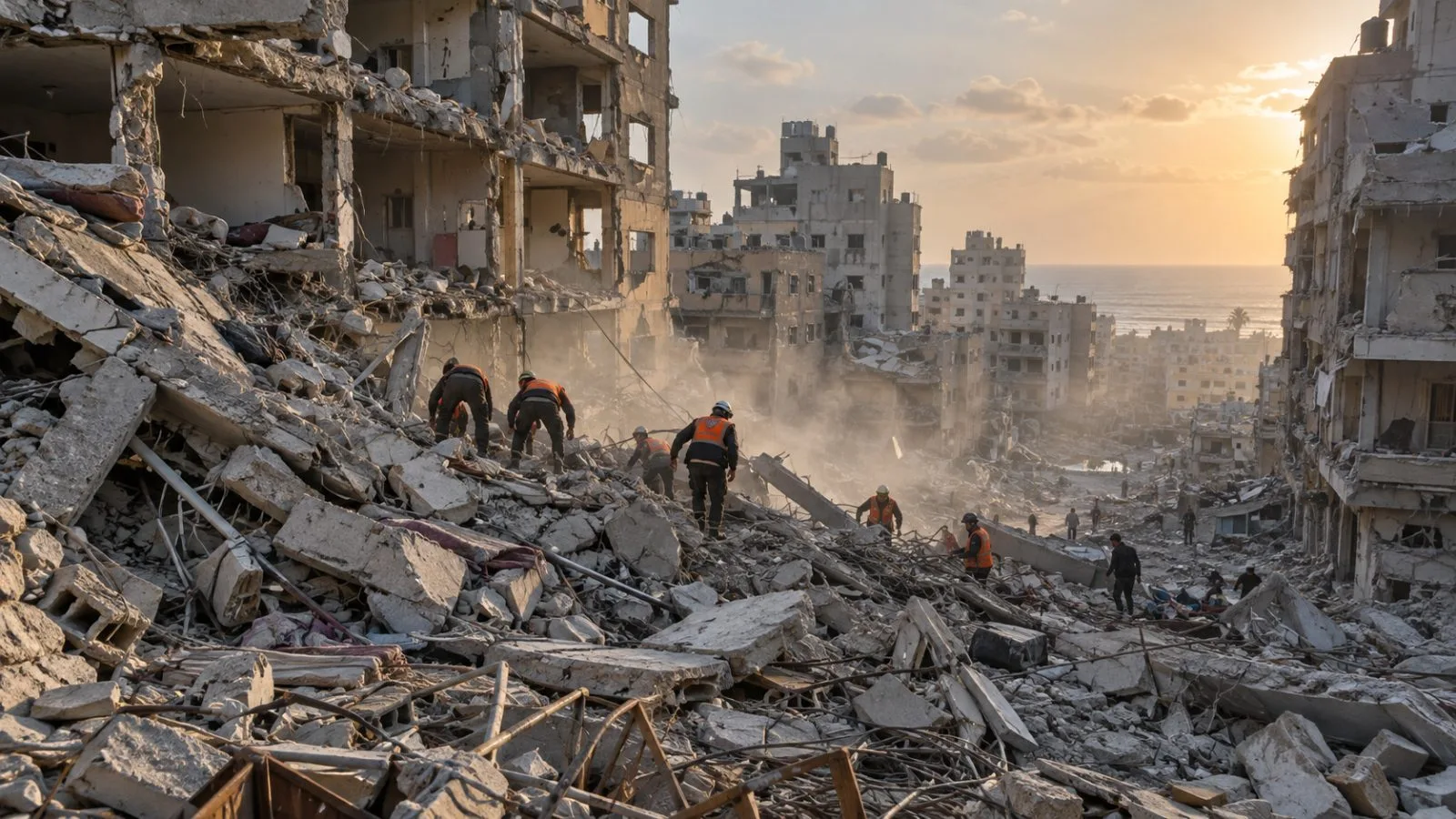
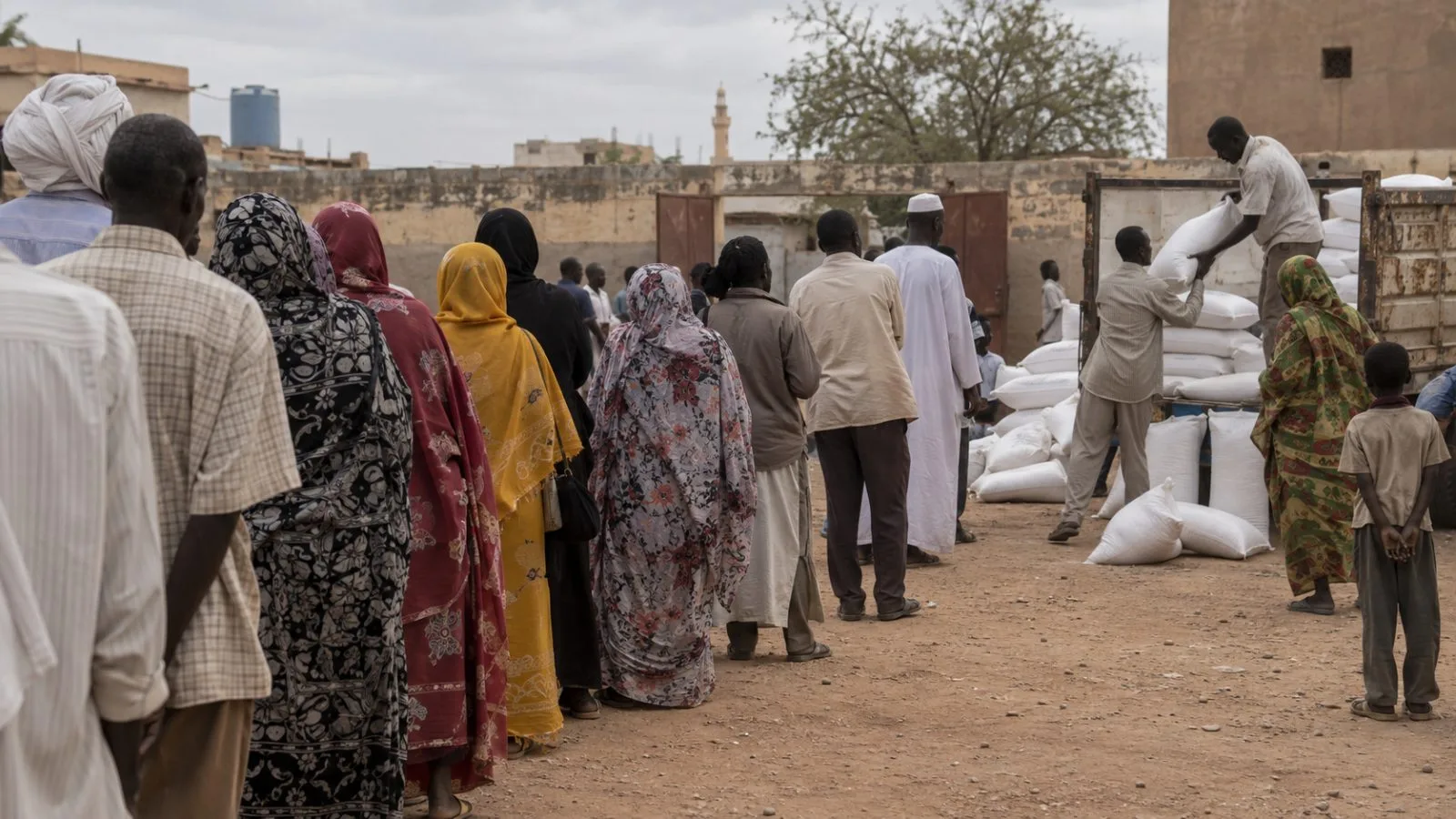
The report documented famine in two settings in 2025: Gaza Governorate and parts of Sudan. It was the first year its record included famine in two contexts. IPC confirmed famine in Gaza Governorate in August 2025. In an assessment published that November, it classified El Fasher and Kadugli in Sudan as experiencing famine as of September.
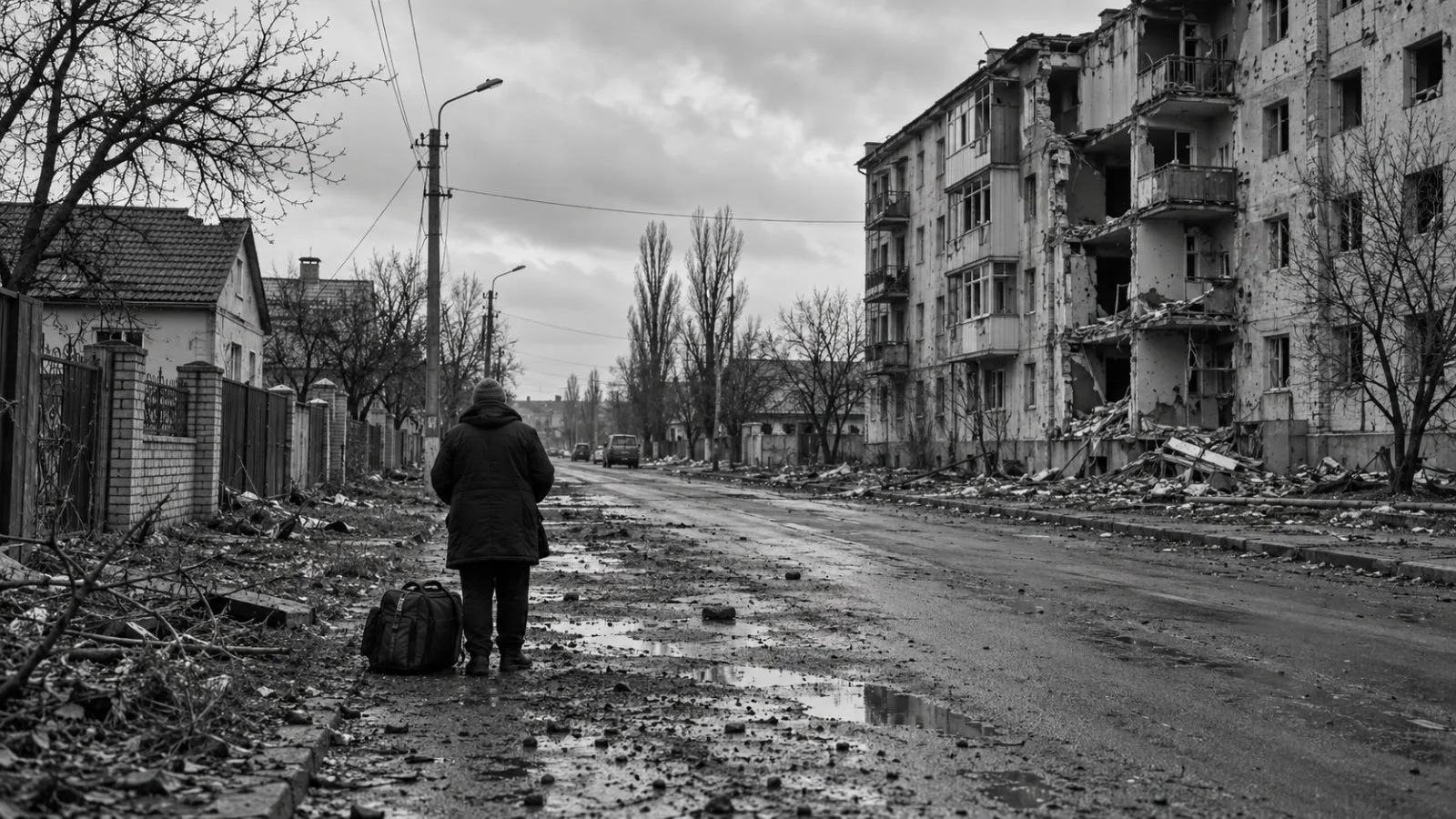
The FAO and WFP also warned that acute food insecurity could worsen in 13 hotspots from June through November 2026. Conflict and violence were primary drivers in 12. The outlook also linked worsening risks to economic shocks, funding shortfalls and climate risks. In the report’s foreword, United Nations Secretary-General António Guterres said, “Conflict remains the primary driver of acute food insecurity and malnutrition for millions around the world.”
Jean-Michel Grand, executive director of Action Against Hunger UK, is urging Britain to include hunger and conflict prevention in its 2027 Group of 20 (G20) presidency agenda. In an opinion article for The Independent, he connected food security with G20 discussions on debt, development finance, climate resilience and food systems. The government has not yet announced its presidency priorities.
A World Bank projection puts people in fragile and conflict-affected situations at 436 million of the 757 million expected to live on less than $3 per day by 2030, using 2021 purchasing-power-parity dollars.
The UK government says official development assistance will fall to 0.3% of gross national income by 2027. A return to 0.7% depends on fiscal circumstances, and the government has set no date for it. It also plans to direct a larger share of country and regional aid to fragile and conflict-affected states. The government said in October 2026 that it would announce G20 presidency priorities in early 2027. The leaders’ summit is scheduled for Nov. 27-28, 2027, in Manchester.