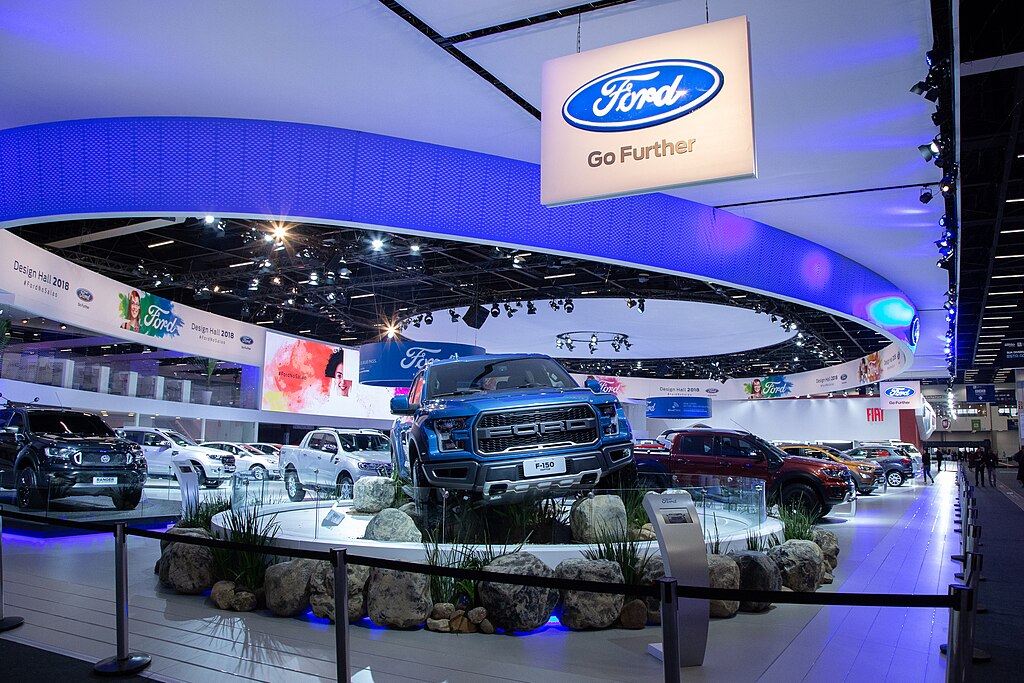
Ford Motor has paused shipments of several U.S.-built vehicles to China due to mounting pressure from retaliatory tariffs, some reaching up to 150%. The company confirmed it has "adjusted exports from the U.S. to China in light of the current tariffs," temporarily stopping exports of popular models like the F-150 Raptor, Mustang, Bronco SUV, and Lincoln Navigator.
This strategic move follows rising uncertainty surrounding President Donald Trump’s fluctuating tariff policies, which are expected to impact automakers' bottom lines significantly. An internal memo reviewed by Reuters indicated that if the tariffs persist, Ford may be forced to raise prices on new vehicles.
Despite halting assembled vehicle exports, Ford will continue exporting U.S.-built engines and transmissions to China. The Lincoln Nautilus, manufactured in China, will also continue its domestic distribution, sidestepping the steep import duties.
The Wall Street Journal first reported the shipment suspension, citing sources close to the matter. Ford is considered better positioned than rivals to absorb tariff shocks, as it manufactures around 80% of vehicles sold in the U.S. within the country.
However, industry analysts remain cautious. A recent report by the Center for Automotive Research estimates that Trump’s proposed 25% tariff on automotive imports could cost carmakers an additional $108 billion in 2025 alone.
While Trump recently hinted at potential exemptions for certain vehicles, no concrete policy shift has been confirmed. As U.S. automakers seek to navigate this volatile trade landscape, the impact on vehicle pricing, supply chains, and global competitiveness remains a critical concern.
This development underscores the broader challenges American car manufacturers face as global trade tensions continue to escalate, with Ford now adjusting its strategy to safeguard profitability and operational efficiency.