


 Kim Jong Un Showcases ICBM Ahead of Possible Trump Meeting
  Zelenskiy Seeks New US Talks to Revive Ukraine-Russia Peace Negotiations
  US Senate Midterms 2026: Key Races That Could Flip Control
  Italy’s Meloni Warns US-Russia Diesel Deal Could Weaken Ukraine Sanctions
  Trump Denies China, Russia Are Helping Iran in War
  US Justice Department Drops Prosecution of Ex-CIA Analyst Sue Mi Terry
  Elon Musk Donates $366 Million to 2026 US Midterms
  MI5 Warns of Rising Iran, Russia Threats and AI Bioweapon Risks
  Trump Announces Massive Oil and Mineral Exploration Plans in Greenland
  Zelenskiy Says Trump’s Support for Russia Is ‘Painful’
  US Condemns China Sanctions on Taiwan Allies Belize and Paraguay
  IMF Warns US Debt Crisis Needs Fiscal Action, Urges China to Boost Consumption
  US Supreme Court Denies Release of Anti-ICE Activist Kyle Wagner
  Trump Confirms US Intelligence Sharing With Ukraine Amid Russian Strikes
  Container Ship Sinks in Strait of Hormuz as Iran Attacks Escalate
  Gaza Olive Harvest Collapses as War Destroys Farmland
  Most Americans Oppose Election Betting on Prediction Markets, Poll Finds


 Add as a preferred source on Google
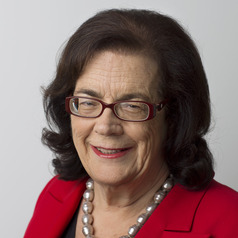
Foreign Minister Marise Payne has attacked China’s “disinformation” about racism in this country and committed Australia to a more activist role in pressing for reform of multilateral institutions, including the World Health Organisation.
In a Tuesday night speech titled “Australia and the world in the time of COVID-19”, Payne rebutted criticism of the Morrison government for getting out in front of other countries in pushing for an inquiry into the origins and handling of COVID.
“We can be small in our thinking, timid in purpose and risk averse. Alternatively …we can be confident, believe in Australia’s role in the world and prioritise Australia’s sovereignty - and Australians’ long term interests - by making the difficult decisions and choices,” she said.
Payne condemned countries using COVID “to undermine liberal democracy and promote their own, more authoritarian models.
"I have also been very clear in rejecting as disinformation the Chinese government’s warnings that tourists and students should reconsider coming here because of the risk of racism.
"I can say emphatically that Australia will welcome students and visitors from all over the world, regardless of race, gender or nationality,” she said, adding that law enforcement agencies would deal with individual crimes.
“The disinformation we have seen contributes to a climate of fear and division when what we need is cooperation and understanding.
"Australia will resist and counter efforts at disinformation. We will do so through facts and transparency, underpinned by liberal democratic values that we will continue to promote at home and abroad.”
Payne said a foreign affairs department audit of Australia’s engagement in multilateral institutions, commissioned by Scott Morrison last year, had recognised the limitations of these bodies. But “Australia’s interests would not be served by stepping away and leaving others to shape the global order for us”.
“We must stand up for our values and bring our influence to bear in these institutions to protect and promote our national interests, and to preserve the open character of international institutions based on universal values and transparency.
"Australia will continue to work to ensure global institutions are fit-for-purpose, relevant and contemporary, accountable to member states, free from undue influence, and have an appropriately strong focus on the Indo-Pacific.
"We will continue to support reform efforts in the United Nations and its agencies to improve transparency, accountability and effectiveness. This is foreign policy designed to use Australian agency and influence to shape a safer world and make us safer at home.”
On the World Health Organisation, she said, “Through our role on the WHO executive board, and proactive participation in a range of regional and global health forums, Australia will present tangible proposals and initiatives to ensure that the global health architecture emerges stronger from Covid-19.”
In general, Australia would direct its efforts to preserving three fundamental parts of the multilateral system:
-
rules protecting sovereignty and peace and enabling international trade and investment
-
international standards on health, transport, telecommunications and other matters underpinning the global economy
-
norms underpinning universal human rights, gender equality and the rule of law.
“We will work to ensure that the development of new rules and norms to address emerging challenges is consistent with enduring values and principles. This is particularly important in the case of critical technologies, including cyber and artificial intelligence, and critical minerals and outer space.”
“Effective multilateralism, conducted through strong and transparent institutions, serves Australia’s interests,” Payne said.
“Our challenge is to ensure the institutions, and our active engagement, delivers for Australia and for Australians. To do this, Australia must better target our role in the global system.
"Australia’s role in seeking an independent review of COVID-19 is a prime example of this active engagement in the national interest,” she said.







