Malawi relied on foreign sources for an average 85% of its health development budget, a UNICEF estimate that underscores the importance of aid as the country weighs domestic financing options.
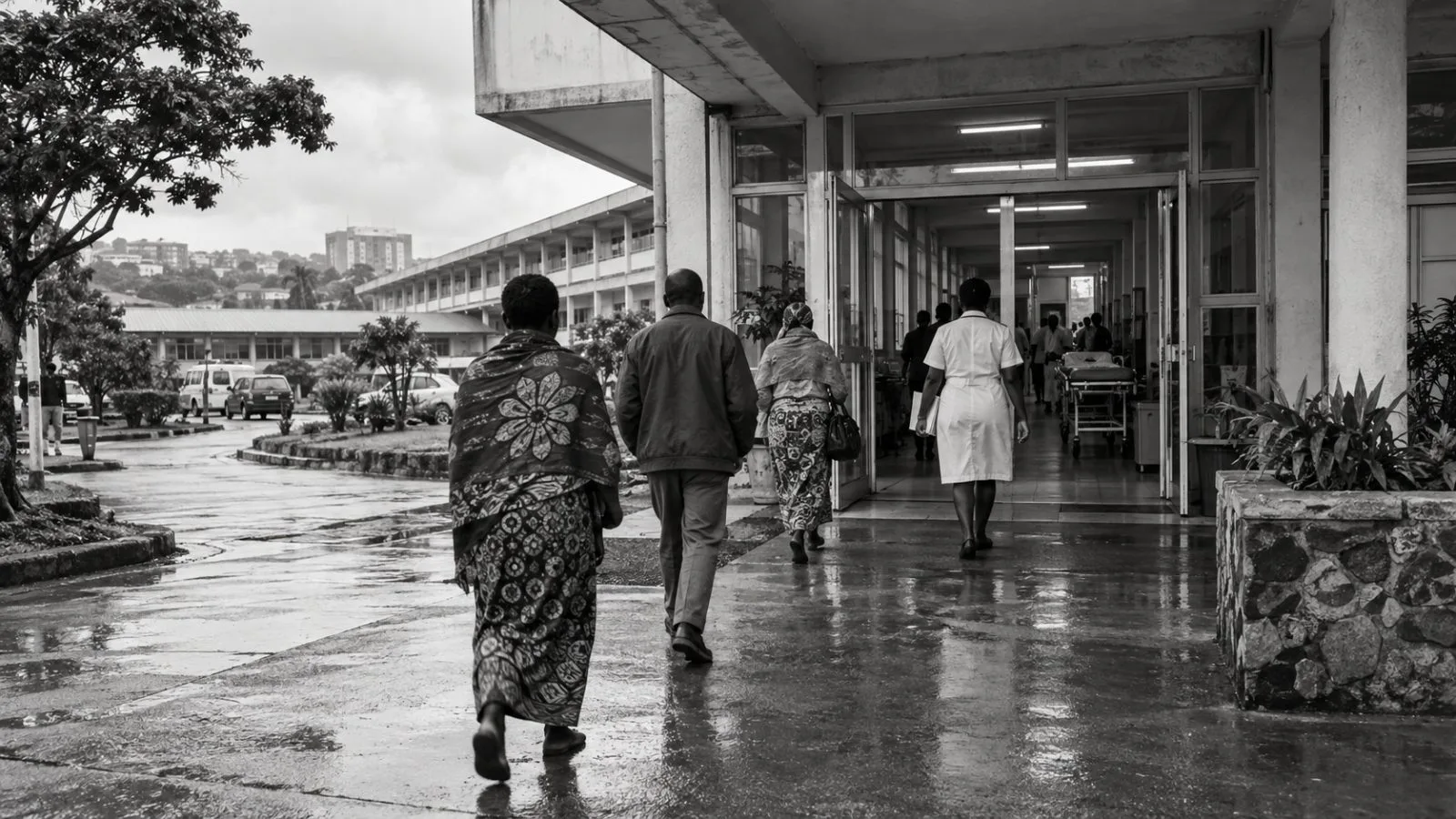
UNICEF’s 2025/26 health budget brief says domestic sources funded an average 80% of Malawi’s on-budget health sector budget over the previous five years. Foreign sources financed an average 85% of the sector’s development budget. Donors accounted for an average 54.5% of total health expenditure when off-budget support is included. UNICEF does not state the averaging periods for the 85% and 54.5% figures.
The figures describe different parts of health financing. UNICEF says public money mainly covers operating costs, while donors largely fund development projects. Its initial estimate put U.S. Agency for International Development (USAID) support for Malawi’s health sector at $49 million in 2025, down 66% from $145 million in 2024; the amounts are estimates rather than final totals.
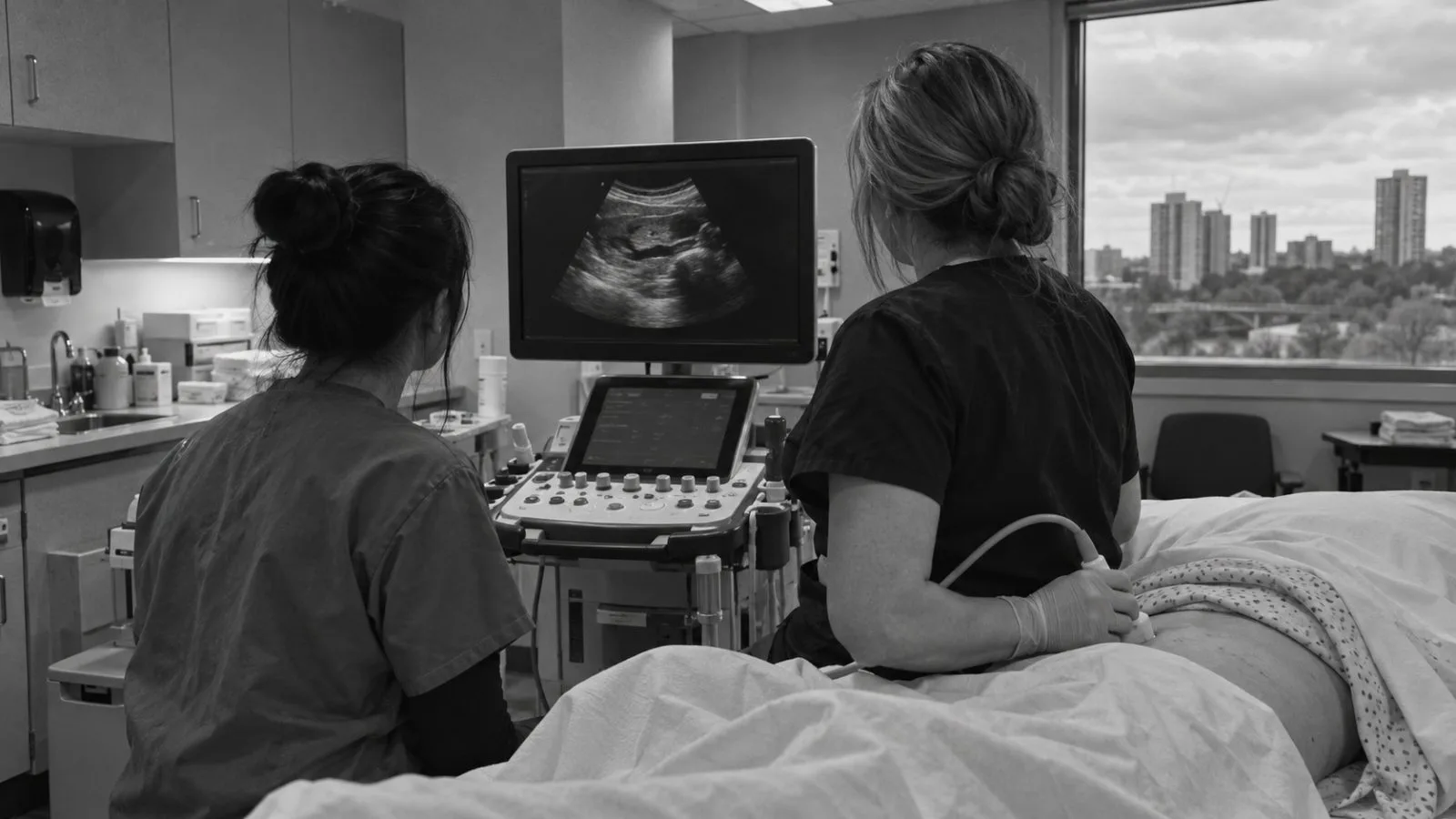
The Organisation for Economic Co-operation and Development (OECD) projected in a June 2026 report that Malawi’s bilateral health official development assistance (ODA) would be 50.8% lower in 2026 than in 2024. UNICEF says aid reductions and higher debt-service costs could constrain funding for HIV/AIDS, malaria, tuberculosis, nutrition, and maternal and child health. The agency warned that young women and children could face greater risks.
The Joint United Nations Programme on HIV/AIDS (UNAIDS) said in March 2025 that contracts had ended for more than 4,500 workers whose roles were supported by U.S. funding. The total included 1,642 Health Diagnostic Assistants and 247 nurses. UNAIDS said staffing shifted as funding waivers were paused and resumed, making the number difficult to pin down.
In an Oct. 15 commentary published by The Independent, Charity Gladstone, president of the Malawian-UK Nurses Association (MUNA), called for more focus on prevention and care closer to communities. She proposed training and equipping Health Surveillance Assistants and using digital tools to monitor blood pressure. MUNA lists renovation of the short-stay ward at Kamuzu Central Hospital in Lilongwe as its flagship work.
Devex reported in August 2026 that Malawian lawmakers were considering tax reforms and spending reductions to increase domestic health funding. The World Health Summit, held Oct. 11-13 in Berlin and online, included a session on financing women’s health beyond aid. United Nations Population Fund (UNFPA) Executive Director Diene Keita said women’s health should be viewed “from cost to investment.”