Former Biden officials have challenged Brett McGurk, the former National Security Council coordinator for the Middle East and North Africa, over how U.S. pressure on Israel affected Gaza aid and hostage negotiations.
McGurk wrote in a book excerpt published by The Atlantic that President Joe Biden privately threatened to cut military aid during an April 4, 2024, call with Israeli Prime Minister Benjamin Netanyahu. McGurk argued that public pressure on Israel risked strengthening its adversaries and disrupting hostage talks as an Iranian attack loomed.
The White House's account of the call said U.S. policy on Gaza would depend on its assessment of Israel's immediate action on specific steps to address civilian harm, humanitarian suffering and aid-worker safety. It said Biden called an immediate ceasefire essential and urged Netanyahu to empower his negotiators to conclude a hostage deal without delay. The account did not describe a threat to cut military aid.
The call came three days after an Israeli strike killed seven World Central Kitchen workers. The relief group said their convoy had left a warehouse in Deir al-Balah. The Israeli military later said its forces misidentified the vehicles and violated operating procedures.
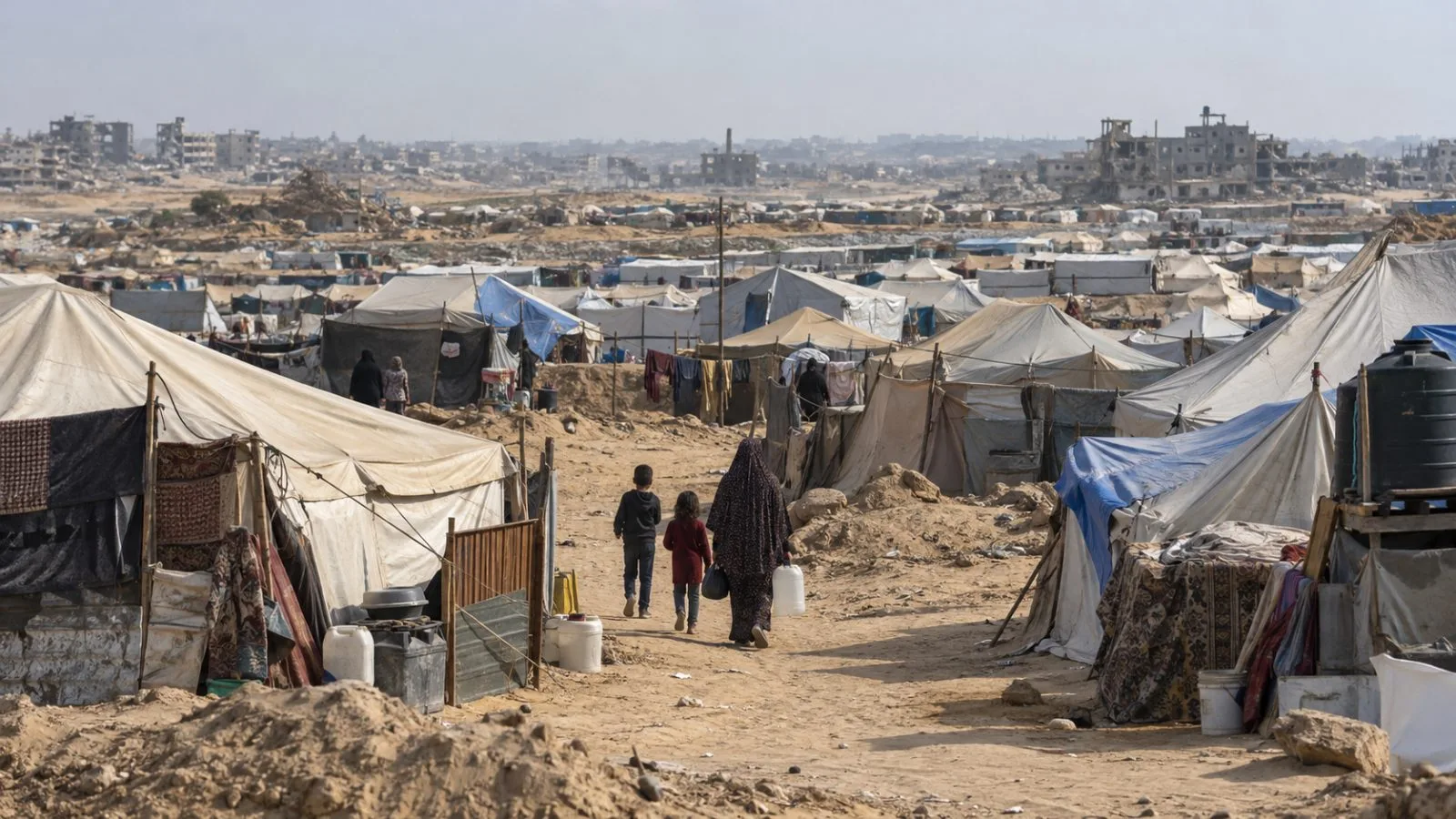
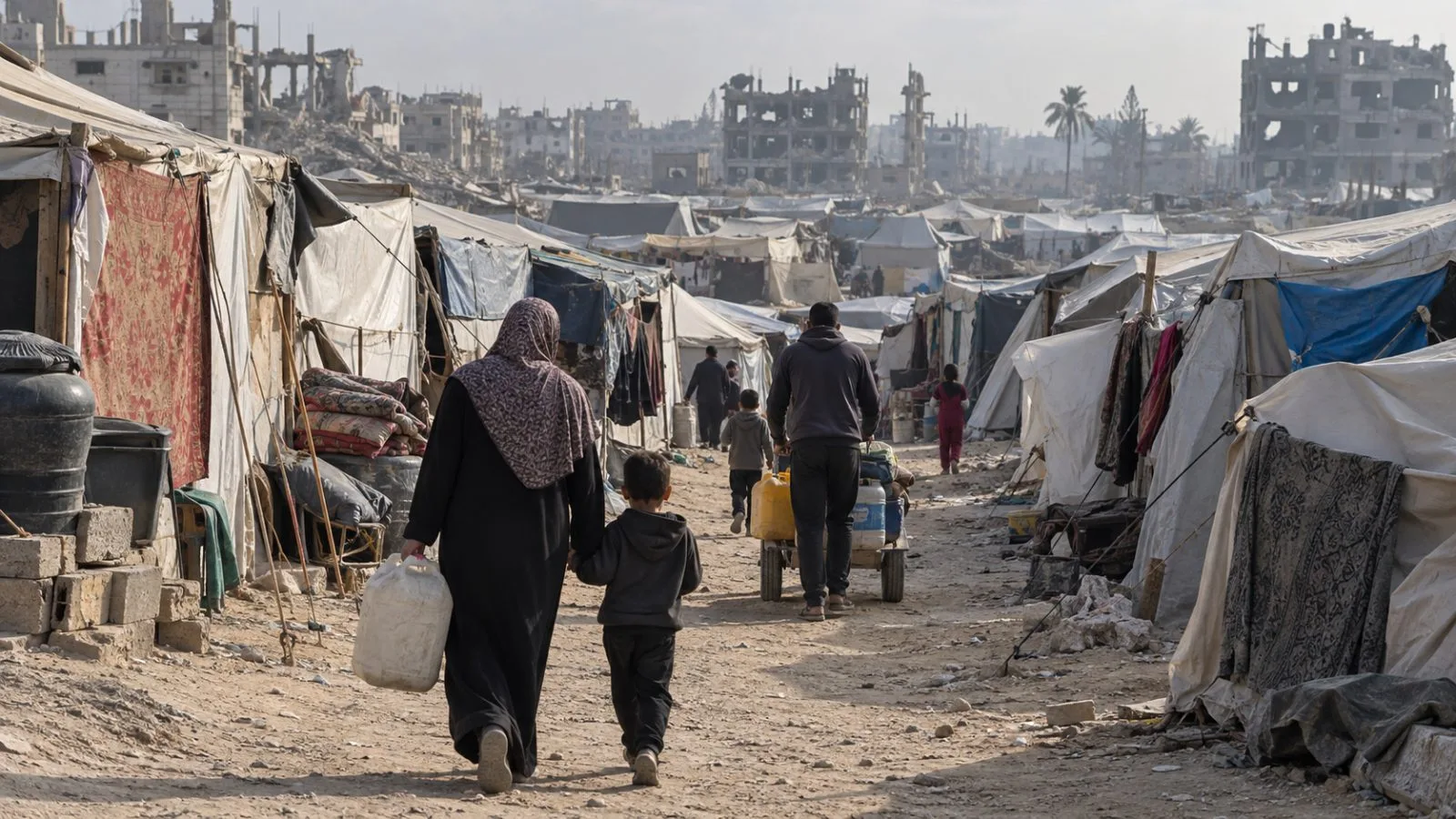
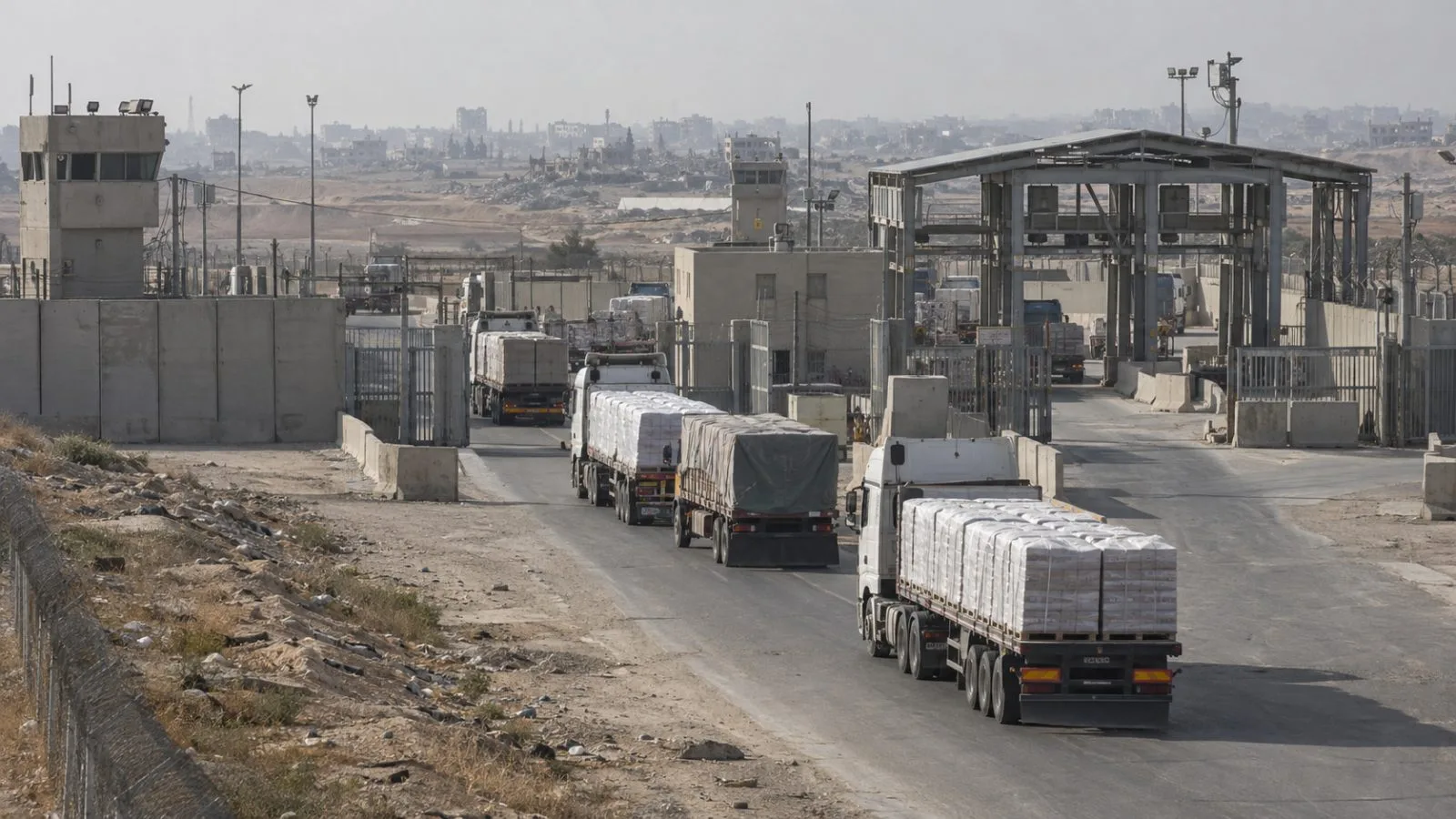
Israel announced changes to humanitarian access after the call. The Israeli military said Erez opened to aid on May 1, when 30 aid trucks that had come from Jordan entered Gaza through the crossing. The United Nations Office for the Coordination of Humanitarian Affairs (OCHA) said Israeli authorities denied 10% of requested humanitarian missions in April. OCHA said aid groups still lacked full access to Erez and Ashdod during that month.
Ilan Goldenberg, a former adviser to Vice President Kamala Harris, told Responsible Statecraft that McGurk's emphasis on hostage negotiations gave too little weight to Palestinian civilians. Goldenberg argued that U.S. pressure helped change aid access but was not sustained.
Phil Gordon, Harris' former national security adviser, gave The Jerusalem Post his account of a later stage in the hostage talks. In Gordon's account, Hamas signaled around July 2 that it accepted a framework permitting hostage releases without an upfront Israeli pledge to make a ceasefire permanent. Gordon described that response as a significant step in the negotiations.