


 Litecoin Marks 15 Years as Grayscale Backs LTC ETF Push
  Cardano Price Surges 10% as ADA Targets $0.30
  Circle Stock Falls 4% as Crypto Selloff Overshadows SAP Pay Expansion
  Yen in Focus as BOJ, Fed Rate Hikes Reshape Currency Markets
  ECB May Stop Rate Hikes After December, Capital Economics Says
  BOJ Raises Interest Rate to 31-Year High as Yen Weakens
  Kalshi Withdraws PEPE Perpetual Futures Filing
  Ethereum Price Drops Below $2,600 as Long Liquidations Hit 4-Month High
  Fed Unveils Stablecoin Rules Under GENIUS Act
  Evernorth XRPN Nasdaq Listing Delayed to October 12
  RBI Rate Hike Bets Surge as Inflation Rises
  Bitcoin Outflows From Binance Hit Three-Year High as Whales Accumulate


 Add as a preferred source on Google
The UK has been entering a phase of relative growth underperformance.
A stronger global backdrop is benefiting the UK, prompting us to revise up 2017 GDP growth this week.
But the fundamentals driving domestic demand continue to look weak, particularly household real income.
We hence expect weaker consumption to slow UK growth relative to its trading partners this year.
We expect a shift to sub-trend growth this year will dissuade the BoE from raising rates.
This part of the forecast is the most uncertain. The UK saving rate had already looked low on the basis of historical UK experience and international comparisons. But the further decline from 6.1% to 3.3% during 2016 raises a question of sustainability.
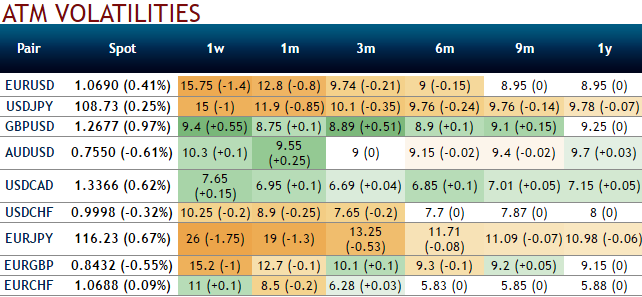
Please be noted that the risk reversals, for now, have taken adverse directions from last 1 year’s hedging sentiments that were bidding for upside risks.
While spiking IVs towards 9% for 1-3m tenors (for GBPUSD) 12.7% and 10% for the same tenors (for EURGBP) and, this volatile OTC market operations are due to the fact Eurozone elections are lined up signify hedging arrangements for upside risks over the period of time.







