China’s economic growth lost momentum in April 2026 as weak consumer demand, slowing factory activity, and rising energy costs linked to the Iran conflict weighed heavily on the world’s second-largest economy. Fresh data released by the National Bureau of Statistics (NBS) highlighted growing pressure on Beijing as policymakers struggle to stabilize recovery momentum.
China’s industrial output increased by 4.1% year-on-year in April, sharply lower than March’s 5.7% growth and below market expectations of 5.9%. The figure marked the slowest pace of factory production growth since July 2023, signaling weakening manufacturing activity amid higher production costs and soft domestic demand.
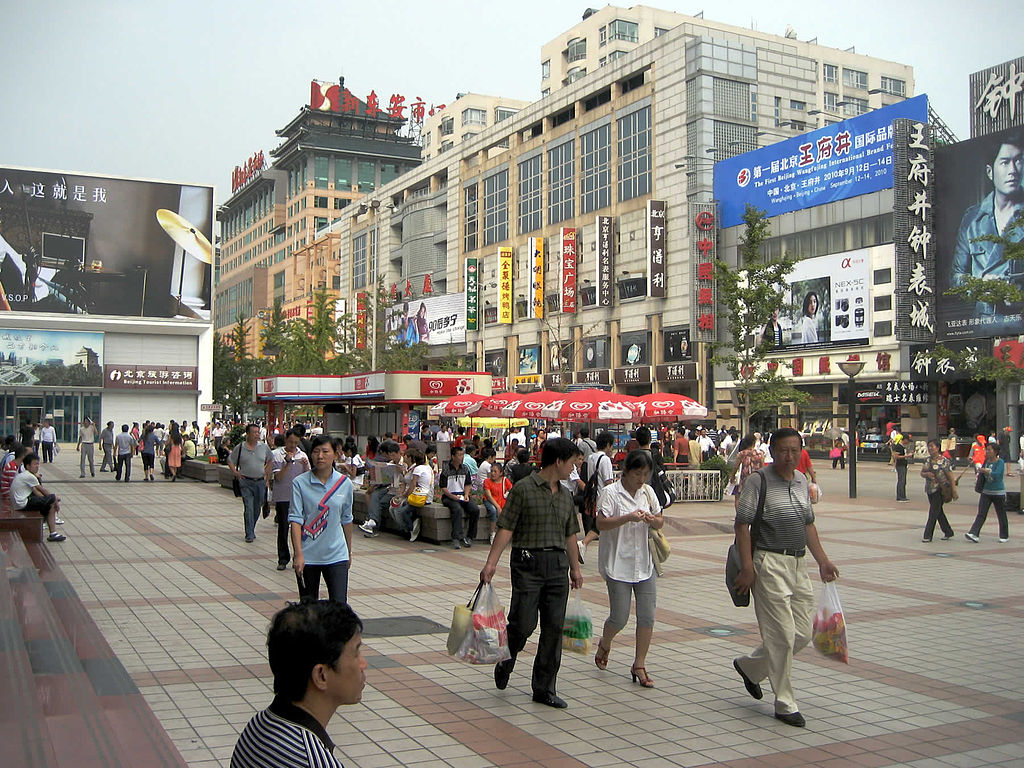
Retail sales in China also disappointed significantly, rising only 0.2% in April compared with 1.7% growth in March. Economists had expected a 2% increase, making the latest result the weakest consumption growth since December 2022. The sluggish retail data underscored ongoing concerns over fragile household spending and declining consumer confidence.
China’s auto sector continued to struggle, with domestic car sales falling 21.6% from a year earlier in April. The decline marked the seventh consecutive month of falling vehicle sales, despite aggressive overseas expansion efforts by Chinese automakers seeking to offset weak local demand.
Meanwhile, fixed-asset investment contracted 1.6% during the first four months of 2026, reversing the 1.7% growth recorded in the first quarter. Analysts cited slowing construction activity, heavy rainfall in southern China, and weaker infrastructure investment as major factors behind the decline.
Although China’s economy expanded 5.0% in the first quarter, analysts warn that growth remains uneven as industrial production continues to outpace domestic consumption. Ongoing weakness in the property market and rising geopolitical risks from the Middle East conflict are also increasing pressure on China’s economic outlook for 2026.