


 Asian Currencies Steady as Dollar Nears 18-Month High Ahead of US CPI
  Nasdaq Falls as Oil Prices Surge Ahead of Bank Earnings
  Stellar Integrates Chainlink to Unlock $3.54 Billion in Tokenized Assets
  Ethereum Whale Moves $15.95M ETH to Kraken After Nine Years
  Cardano Price Drops 15% as Whales Sell 110 Million ADA
  Fed’s Williams Sees One More Rate Hike in 2026, None in 2027
  Monero Price Holds $515 Support as XMR Eyes $545 Breakout
  Most Americans Oppose Election Betting on Prediction Markets, Poll Finds
  UNCX Network Hack Drains $86K From Ethereum Token Pool
  IMF Warns US Debt Crisis Needs Fiscal Action, Urges China to Boost Consumption
  China Bank Lending Rebounds in September, Beats Forecasts
  Oil Prices Surge Above $106 After Deadly Saudi Airport Attack
  Ripple Partners With DriveWealth to Expand RLUSD Settlements


 Add as a preferred source on Google
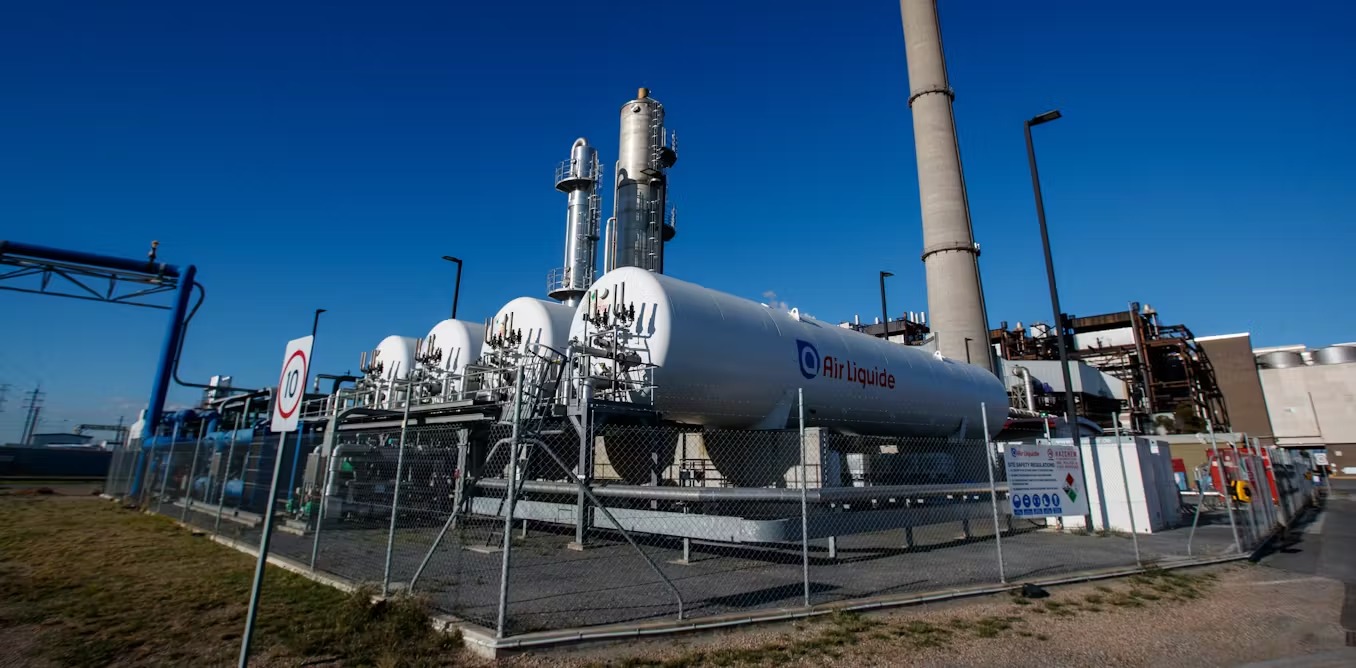

The Albanese government is talking up the crucial role of gas as a transition fuel “through to 2050 and beyond”.
In a gas strategy to be released on Thursday, the government envisages the fuel’s uses would change over time, as energy efficiency improved, renewables were firmed and emissions were reduced.
“But it is clear we will need continued exploration, investment and development in the sector to support the path to net zero for Australia and for our export partners, and to avoid a shortfall in gas supplies,” Resources Minister Madeleine King says, outlining the government’s policy.
The strategy sees gas as crucial to the new Future Made in Australia policy, which includes support for manufacturing and refining critical minerals.
At present gas supplies 27% of Australia’s energy, and 14% of the country’s export income. The industry employs 20,000 people.
The government’s gas-is-good rhetoric will come under fire from the Greens, sections of the environmental movement and some within Labor who take a hard line on any fossil fuel.
Greens leader Adam Bandt has declared gas to be as dirty as coal and previously accused Labor of spitting in people’s faces by “fast-tracking new gas mines that undo everyone else’s good work” in promoting cleaner energy.
Among the principles on which the government’s policy is based is that gas must remain affordable for Australian users. Over the years, there have been battles involving both sides of politics with producers to ensure the industry, which is export-oriented, provides adequate and affordable local supplies.
Facing warnings about the risk of gas shortages in the local market, the Labor government introduced the mandatory Code of Conduct and a renewed Heads of Agreement with LNG exporters, and strengthened the Australian Domestic Gas Security Mechanism.
To support household and business consumers, the government says it will work with states and territories to ensure gas remains affordable for those who need it.
The strategy says new gas sources will be required to meet demand during the transition.
It commits to “prevent gas shortfalls by working with industry and state and territory governments to encourage more timely development of existing gas discoveries in gas-producing regions”.
This is an implied warning that companies should not sit on undeveloped supplies. The Weatern Australian government has called for a strengthening of the so-called use-it-or-lose-it rules to stop big companies sitting on deposits.
The strategy also commits to reducing gas-related emissions by working with industry and regulators to minimise venting and flaring of methane from operations. These issues have been taken up by environmentalists.
The government will promote geological storage of CO2 and release acreage for offshore carbon capture and storage.
“Gas will play an important role in firming renewable power generation and is needed in hard-to-abate sectors like manufacturing and minerals processing until such time as alternatives are viable and can be deployed,” the government says.
The government has also flagged greater controls on the use of seismic surveys by gas companies. Seismic testing is a hot issue with environmental groups who say it disturbs sea life.
Real disposable income to grow in 2024-25: budget
Tuesday’s budget will forecast a 3.5% growth in real disposable income in 2024-25. This is expected to be driven by a 4.5 percentage point contribution from growth in labour incomes and a one percentage point contribution from the tax cuts. This would be the fastest rate of growth in more than a decade, excluding the pandemic.







