A Gatefield pilot survey in Nigeria points to household health costs and gaps in public services as pressures on access, with 52% of respondents reporting financial hardship or care forgone because of expenses.
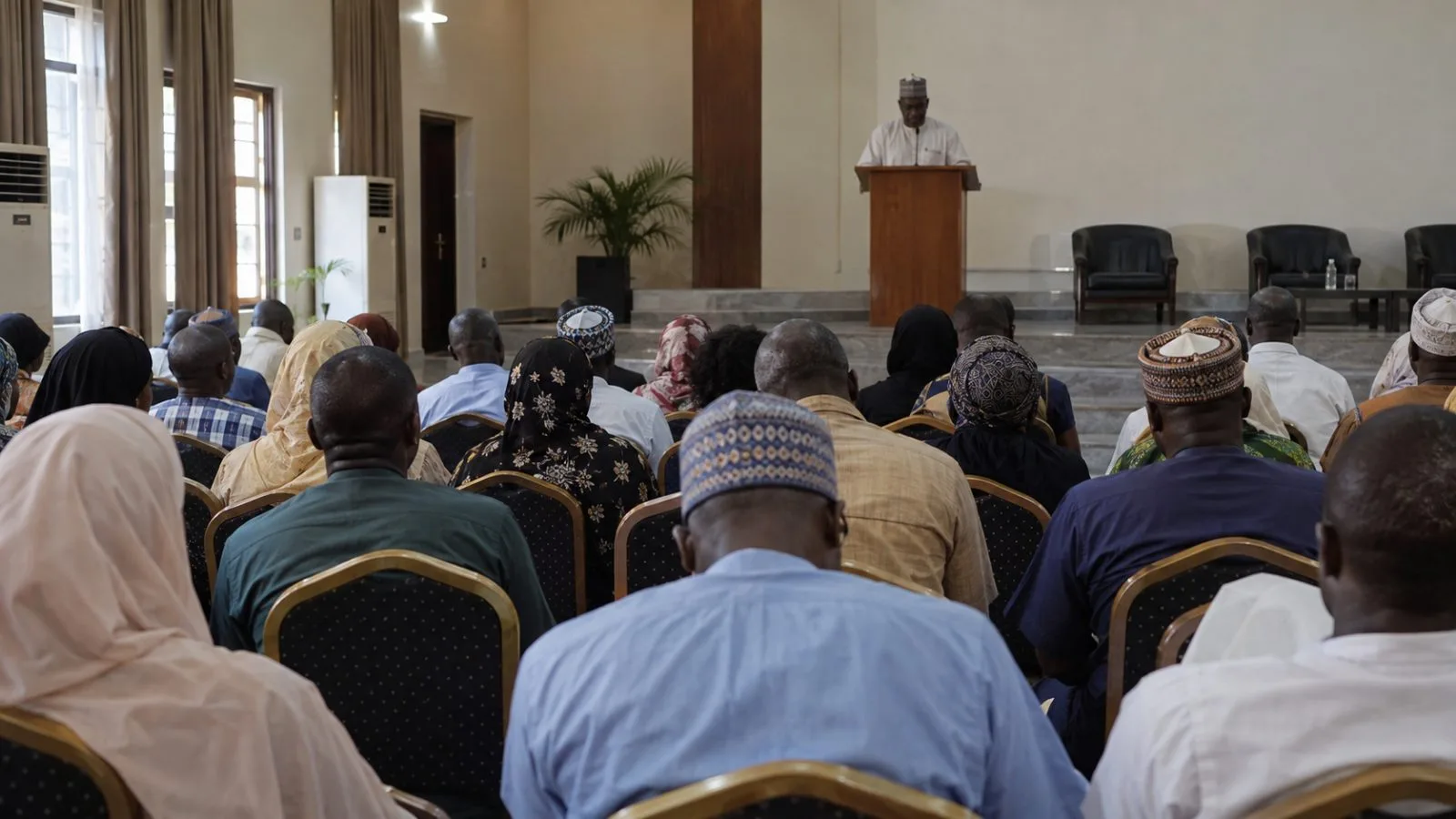
Gatefield CEO Adewunmi Emoruwa presented the findings at the organization’s Health Summit in Abuja on Oct. 21. News reports said the pilot covered 1,070 adults in Lagos, Kano and the Federal Capital Territory. The summit, themed “Scaling What Works,” was scheduled to continue through Oct. 22.
Among respondents, 27% said they borrowed money to pay for care, while 25% turned to relatives for help. Another 14% reduced spending on food or other essentials, and 13% sold personal assets, according to Gatefield’s reported findings.
Separately, roughly one in three respondents said they had been unable to access a public health service they needed during the previous year. The survey also recorded environmental concerns: extreme heat drew more concern than air pollution, with 69.7% naming heat and 54% naming polluted air.
The reported cost pressures sit within a health system where households pay a large share of expenses directly. World Health Organization data cited in the Commonwealth Fund’s 2026 Nigeria profile put out-of-pocket payments at 70.94% of the country’s health spending in 2023, compared with 35.5% in lower-middle-income countries. The profile also lists life expectancy at birth at 64.5 years in 2023.
Dr. Salma Ibrahim Anas, senior special assistant to the president on health, said effective interventions can fall short when they do not reach the people they are meant to serve, Guardian reported. The summit was scheduled to conclude Oct. 22.