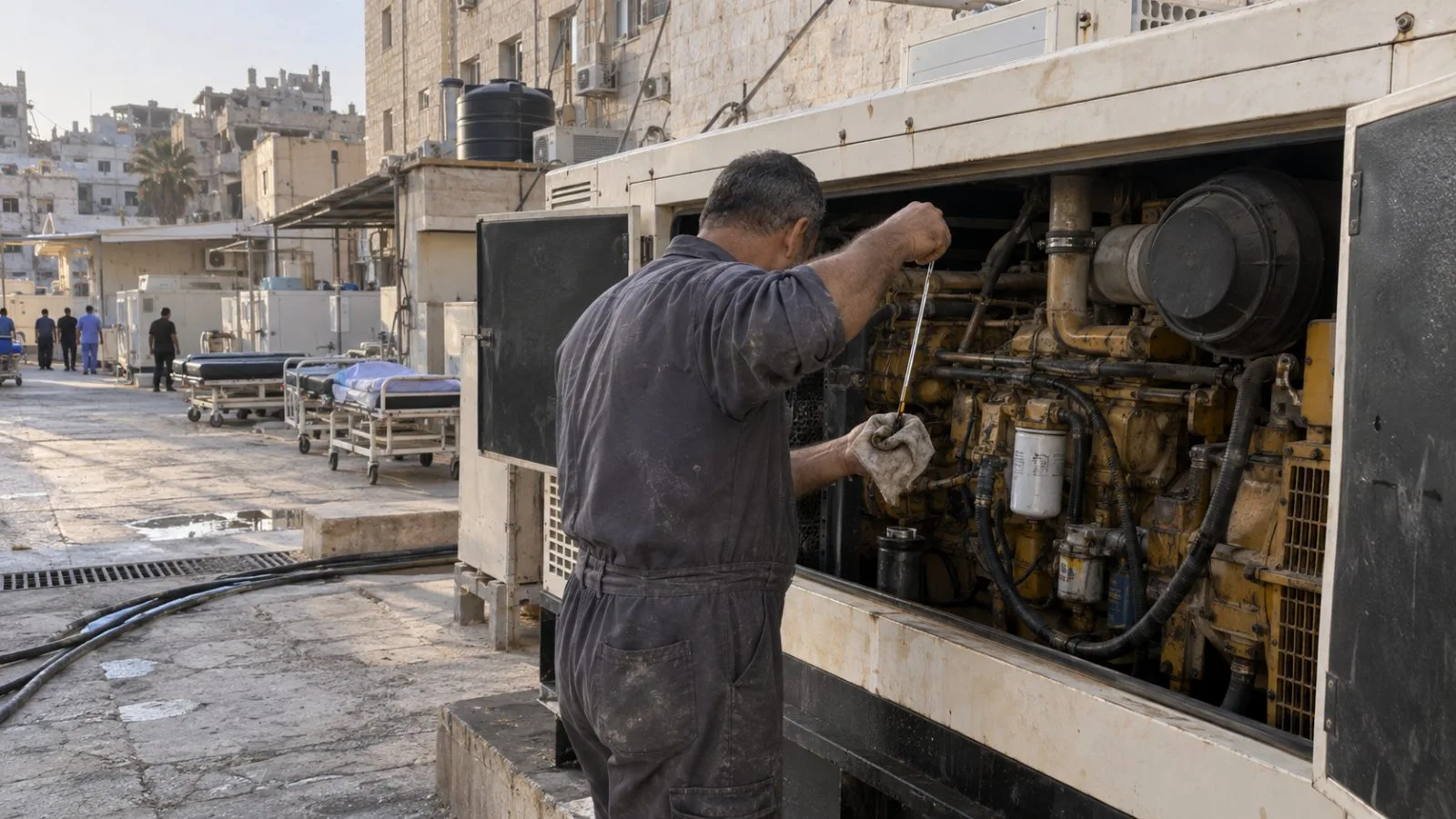
Gaza’s Health Ministry said Oct. 21 that generator oil for hospital equipment had run out, warning that mechanical failure could put essential medical services at risk.
The warning comes amid a prolonged loss of grid power. The United Nations Office for the Coordination of Humanitarian Affairs (OCHA) documented that electricity deliveries to Gaza were cut in October 2023 and that the territory’s power plant later stopped operating after its fuel was depleted. Hospitals have since relied on generators.
In October, the World Food Programme (WFP) provided food and cash assistance to 1.1 million people, down from 1.6 million in September. That left 500,000 people without the support, WFP said, citing a funding shortfall. The agency halved food rations and reduced daily hot meals from 250,000 to 150,000. EconoTimes previously covered the reduction in assistance for 500,000 people.
WFP estimates that 1.4 million people face acute food insecurity at crisis levels or worse. About 200,000 are in emergency conditions and need immediate food assistance to prevent deaths from hunger, the agency said. WFP needs $450 million to maintain operations in Gaza and the West Bank from October 2026 through March 2027. It also said food security gains since the October 2025 ceasefire remain fragile.
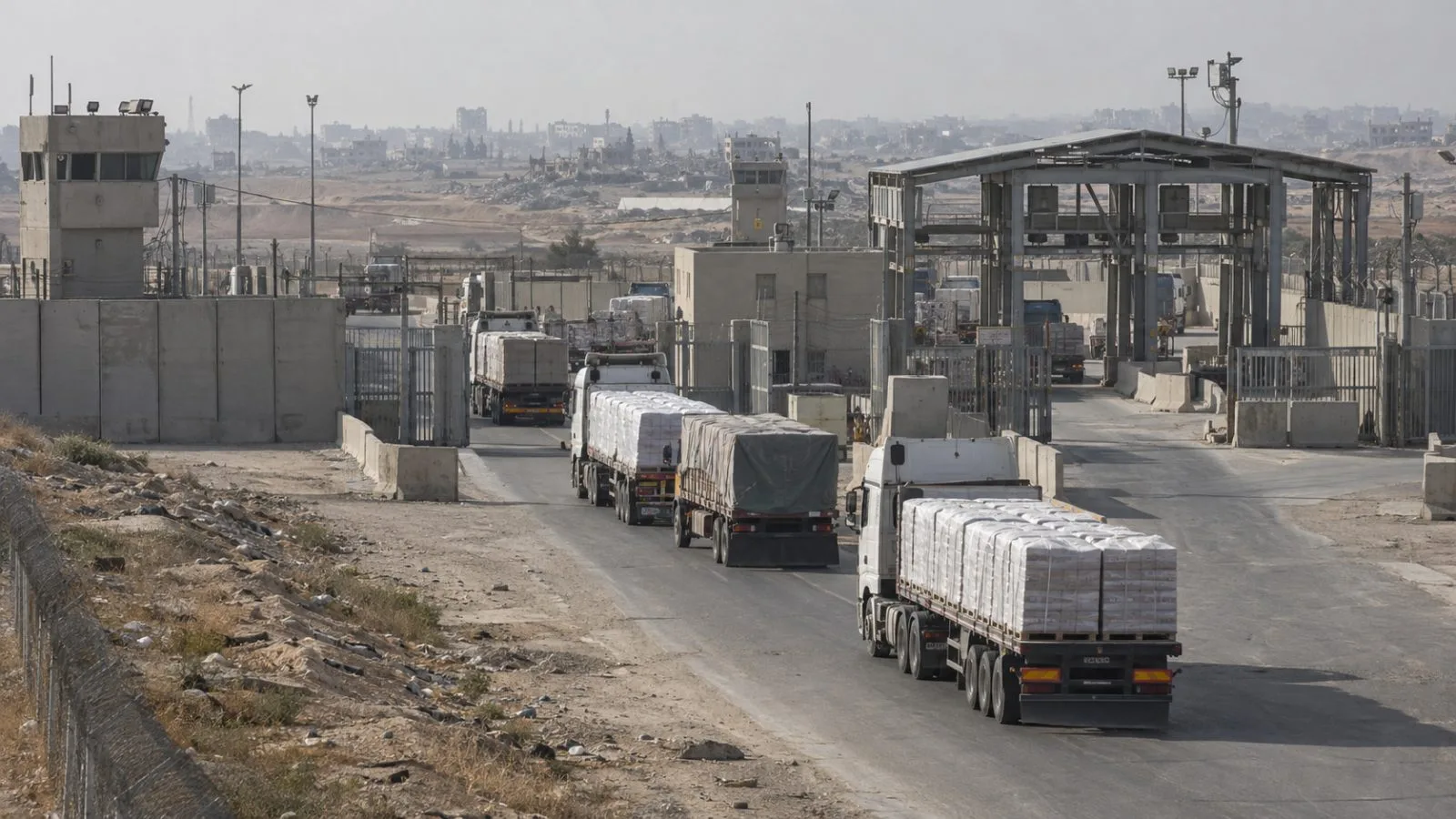
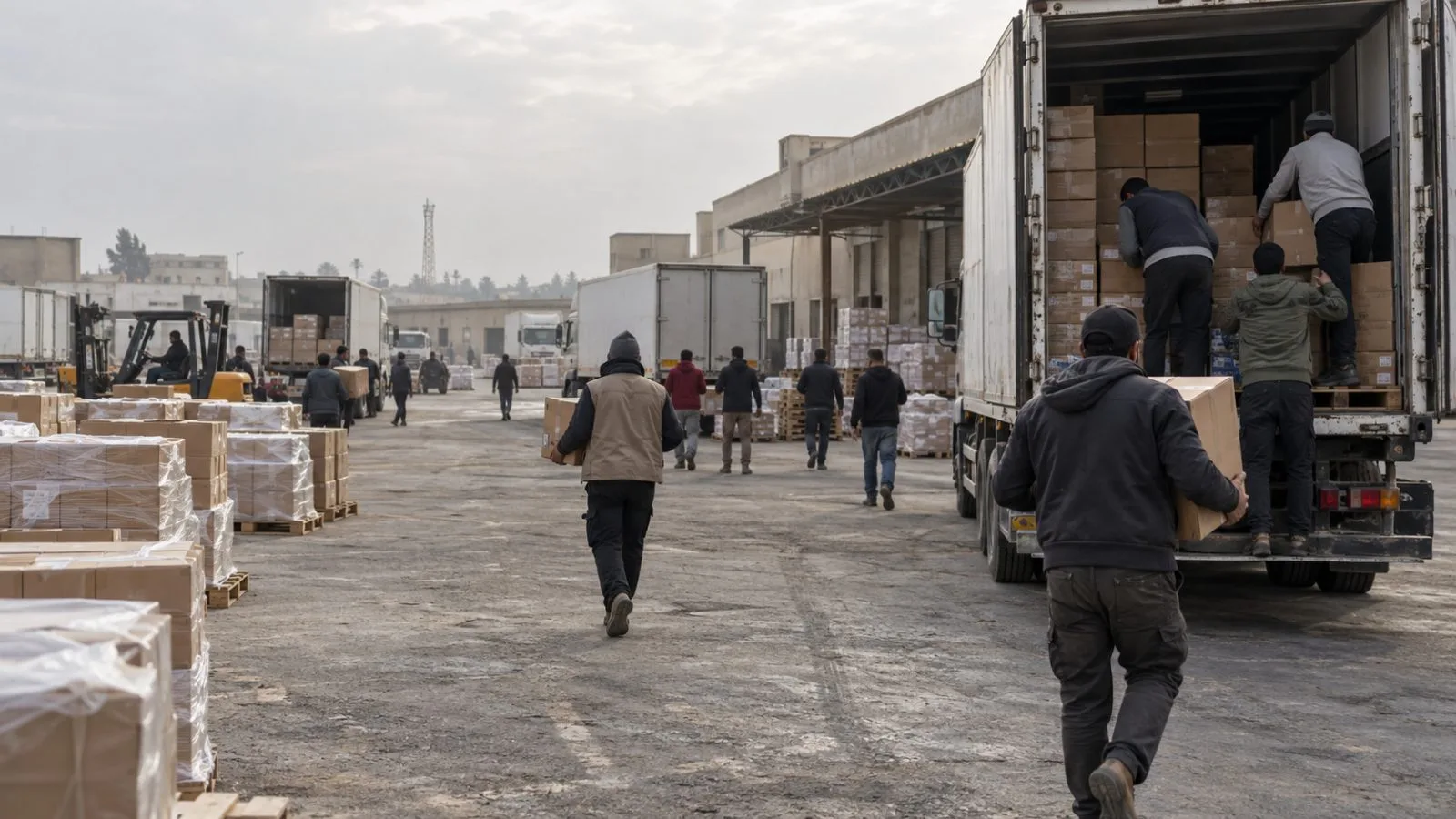
Aid deliveries face other logistical constraints, OCHA said, including inspection and scanning procedures, limited cargo handling capacity and coordination requirements. More intensive inspections slowed cargo from Egypt, according to the agency. OCHA also said Israeli forces reportedly moved the “Yellow Line” markers west near Ash Shuja'iyyeh junction on Oct. 11, raising concern about further displacement.
Separately, Israel’s official timetable schedules the election for Tuesday, Oct. 27.