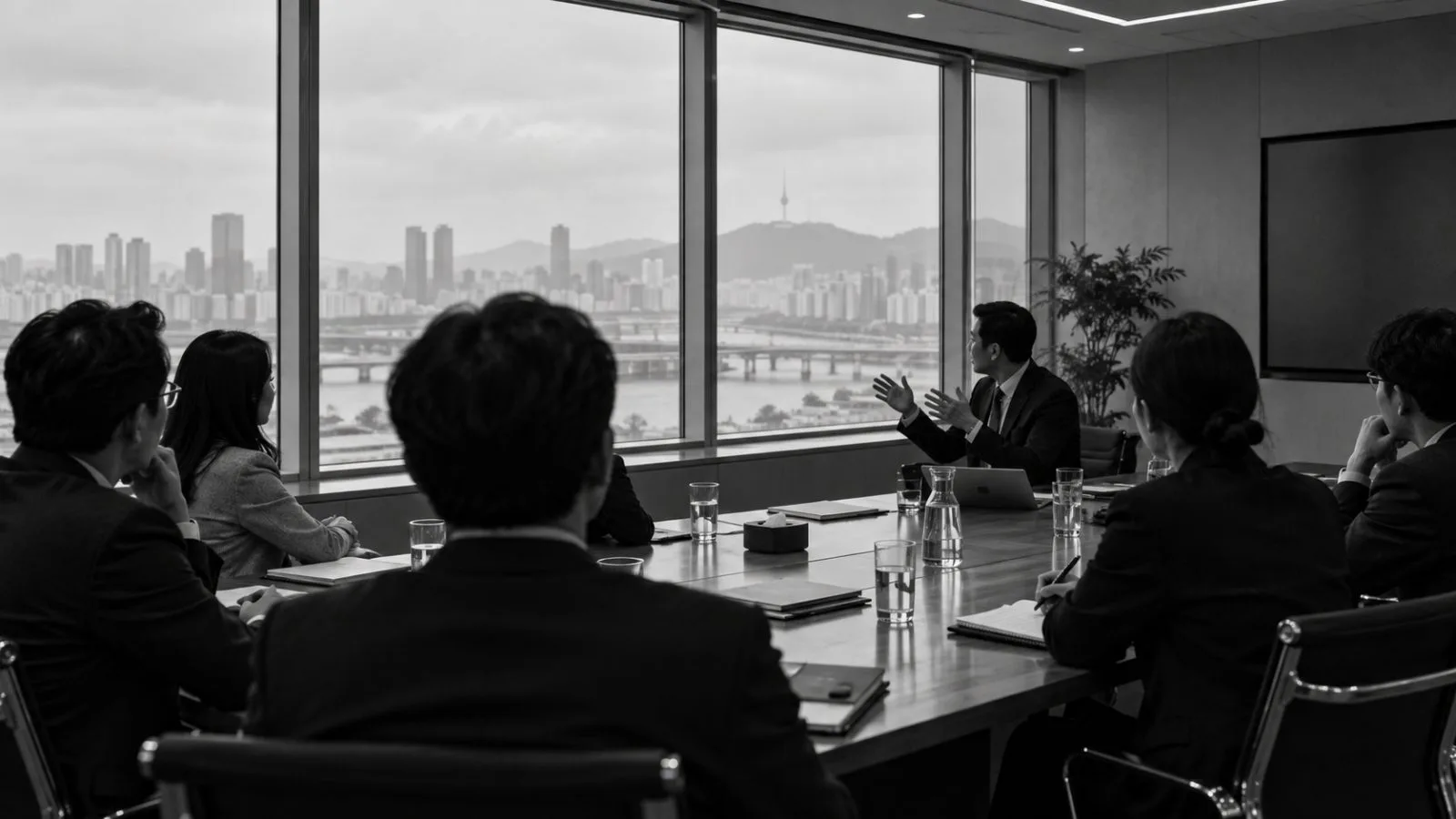
Marie Antonia von Schönburg, president and CEO of the Korean-German Chamber of Commerce and Industry (KGCCI), told The Korea Herald German firms are considering South Korea for production, technology development and Asian supply operations.
In the interview, von Schönburg described South Korea’s industrial capabilities, workforce and infrastructure as a complement to German expertise in precision engineering, industrial software and automation. She linked companies’ efforts to diversify supply chains to geopolitical uncertainty and trade tensions. “What you need to flourish as a company on the ground is predictability,” she told the newspaper.
KGCCI said Oct. 19 that about 540 German companies operate in South Korea and employ around 100,000 people. Bank of Korea data show German direct investment stock in the country was $13.8 billion at the end of 2025.
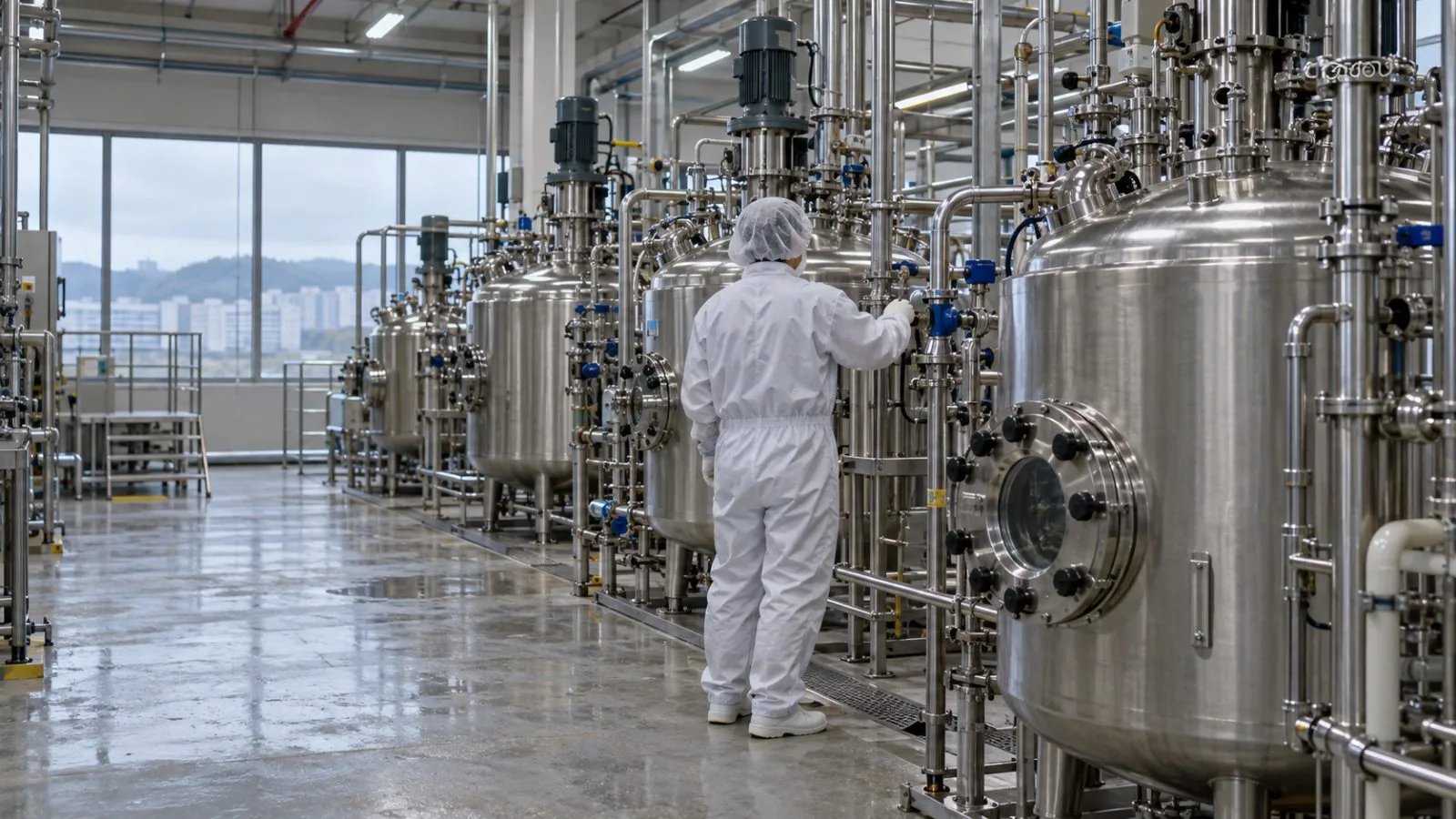
Recent projects include Merck’s planned investment of more than €300 million in its Bioprocessing Production Center in Daejeon. Announced in March 2024, the project was expected to add about 300 jobs by the end of 2028. Incheon Metropolitan City said Sartorius’s planned investment in Songdo had reached $550 million after a $250 million increase to an earlier $300 million plan. Sartorius lists 2027 as the site’s scheduled start of operations.
A survey by the German Chamber of Commerce in China, conducted April 15-21, 2026, found that 61% of 216 member companies planned to increase investment in China within two years, while 11% planned to reduce it. The published results give no figure for companies planning to exit the market.
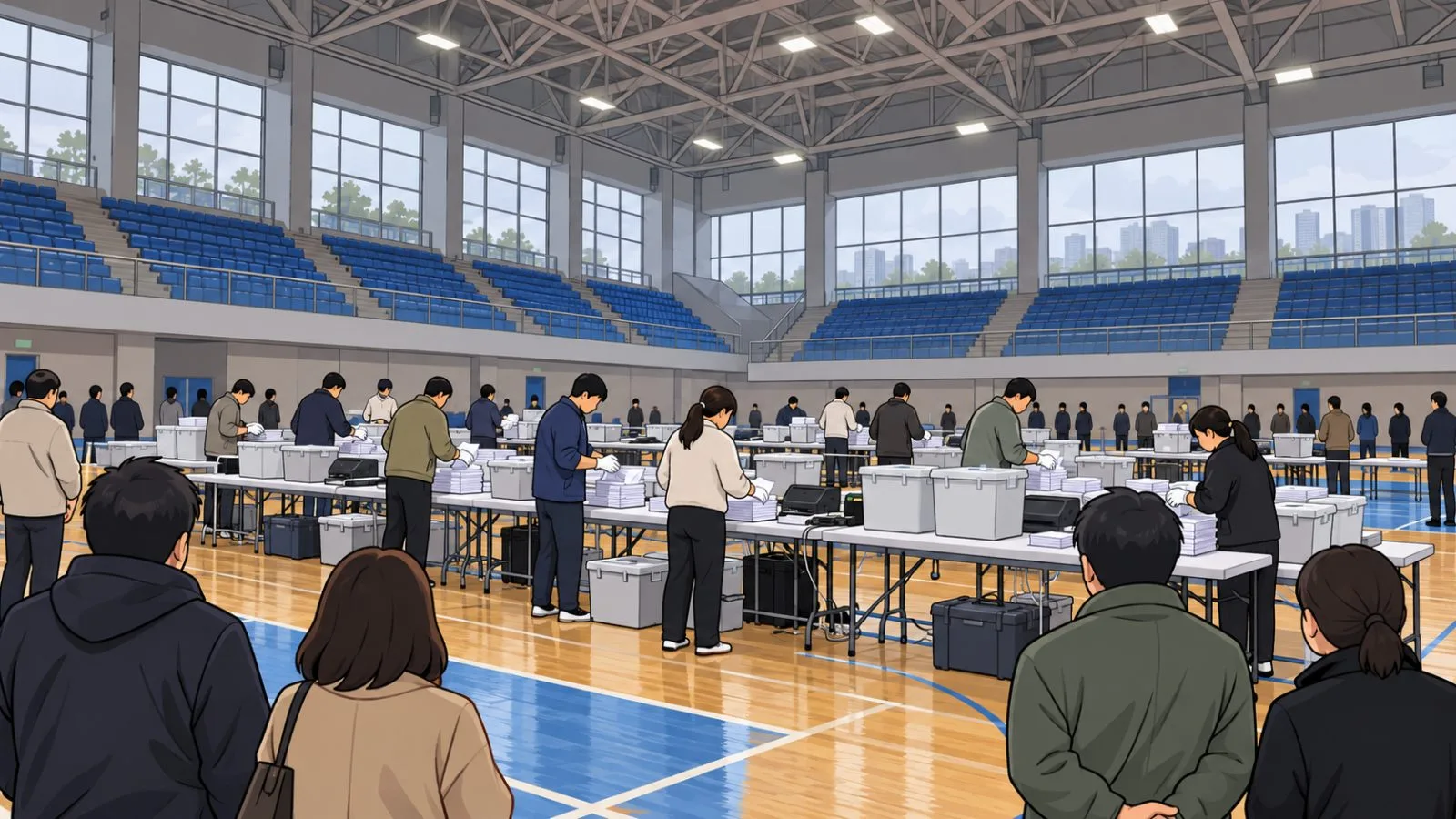
KGCCI says the Seoul conference could give Korean companies opportunities to meet senior German business leaders and is expected to draw more than 800 executives, policymakers and experts. A retrospective from the Asia-Pacific Committee of German Business says a 1992 conference in Seoul helped pave the way for the committee’s establishment.
The conference program lists German Chancellor Friedrich Merz for an opening keynote on Oct. 30, though the agenda is subject to change. The biennial event is scheduled for Seoul on Oct. 29-31.