South Korea's central bank said its Project Hangang digital currency trial will not replace cash or existing bank deposits, and it has no plan to issue a digital currency for public use.
The Bank of Korea said it cannot access individuals' deposit, identity or transaction information under the project. Commercial banks handle customer identification, token issuance and transfers, the central bank said in its Curious Bank of Korea programme, published on Nov. 23.
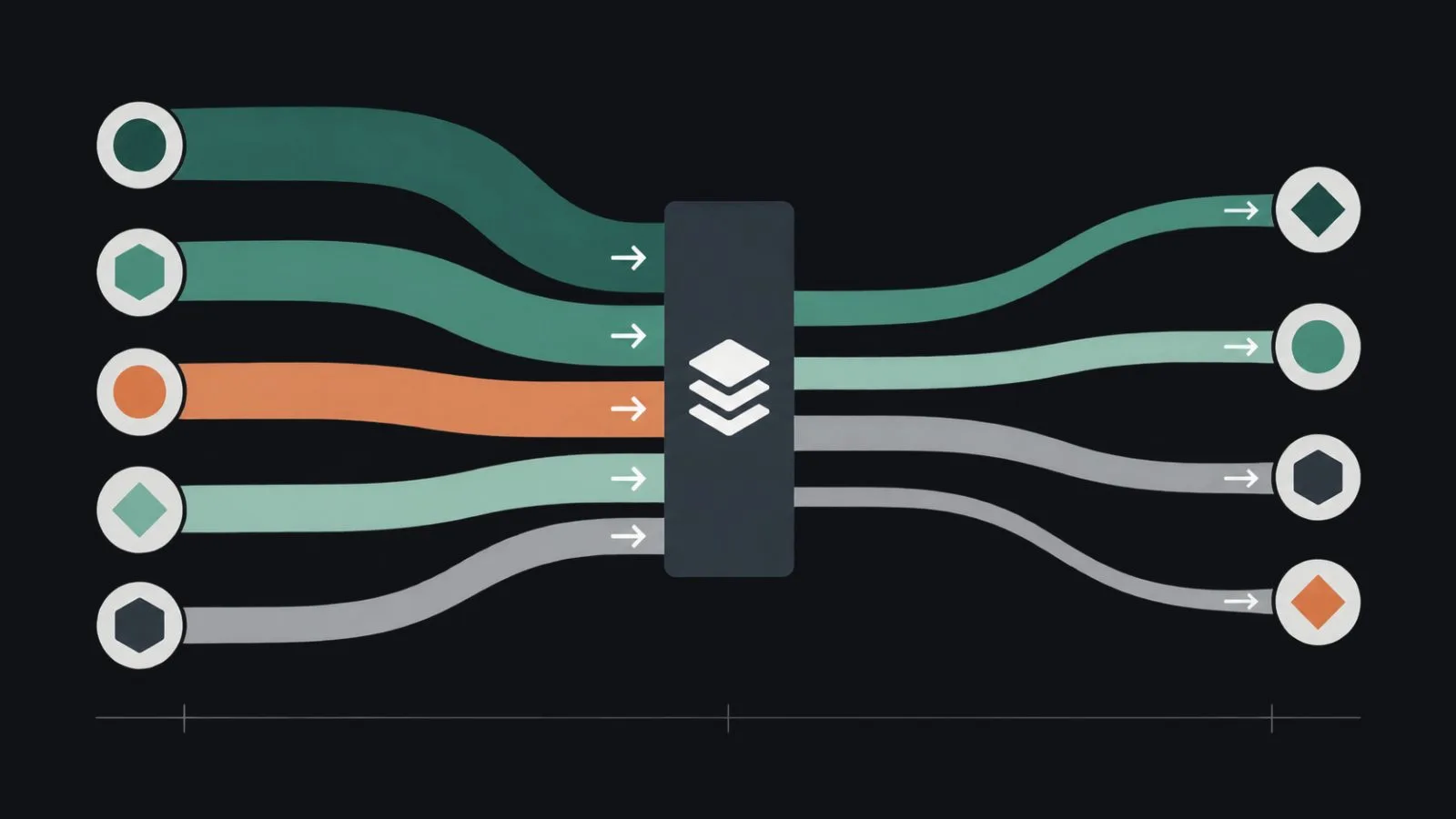
The project tests a payment system in which commercial banks issue deposit tokens to customers, while a central bank digital currency supports transactions between financial institutions. The institutional currency is not available for direct use by the public.
Customers could exchange bank deposits for tokens and use them to pay shops. The arrangement is similar to existing deposits in that banks hold customers' money and provide it when requested.
Banks would hold a prescribed proportion of reserves in the central bank's institutional digital currency so they could pay customers cash on request. The programme did not specify the proportion.
Unlike conventional deposits, which are recorded in banks' own ledgers, deposit tokens and their transaction histories are recorded on a blockchain, a digital ledger shared across a network.
The first phase of the experiment took place last year and tested whether the system worked in real conditions, as well as what needed improvement. A planned second phase will involve more banks and test ways to make tokens easier to use and extend their applications.
The central bank said the next phase would also examine preparations for commercial use. It did not give a date for the phase or say which banks would participate.
Deposit tokens could help ensure government funds are spent under specified conditions and link payment and settlement in one process. They could also reduce the resources needed to check for misuse and take follow-up action.
For shop owners, immediate receipt of payments could make funds available without a wait. The central bank said further experiments are needed to establish the actual benefits and efficiency of the system.