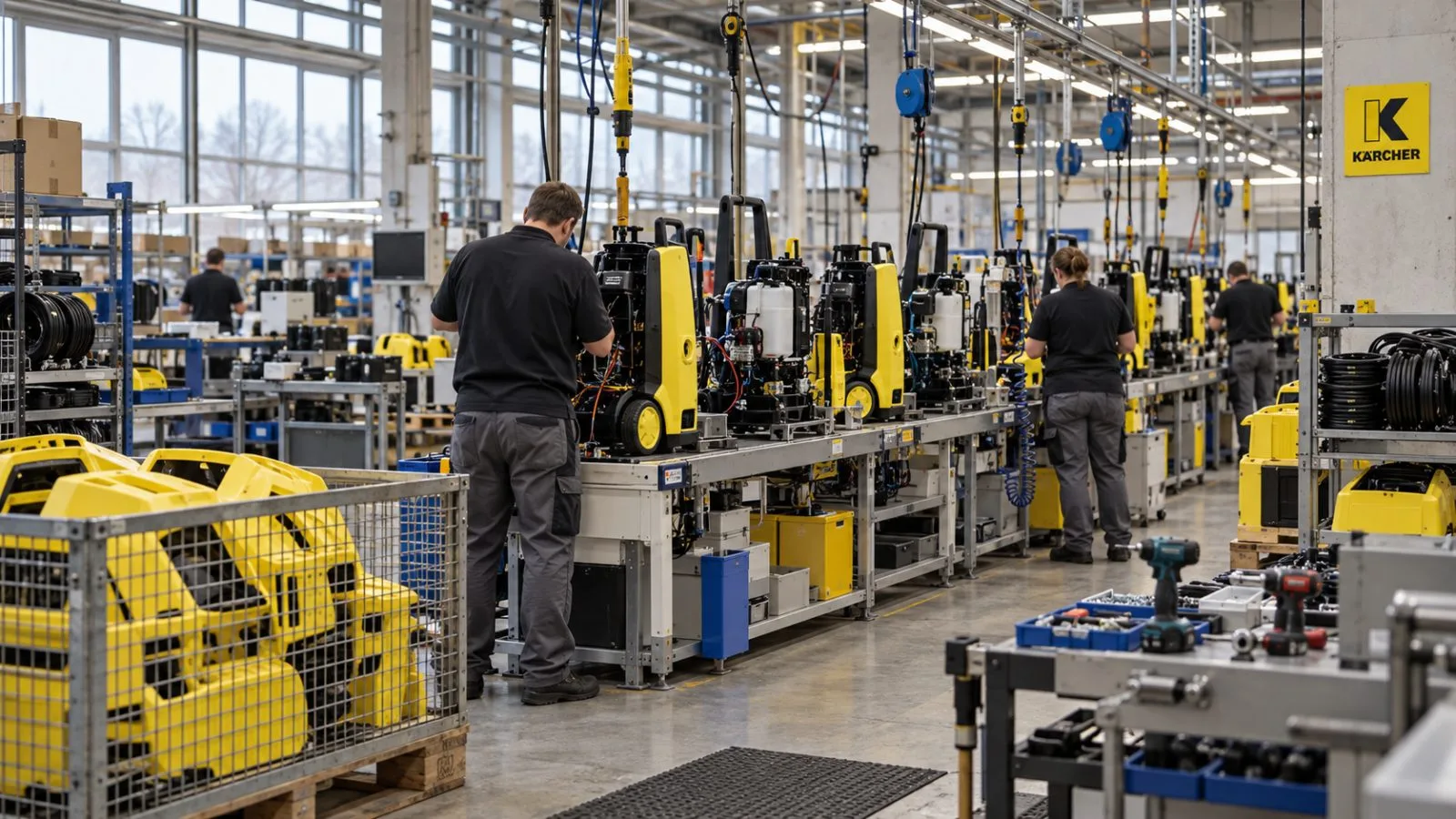
German manufacturing employment was down 2.7% year over year at the end of June 2026, sharpening debate over industrial competitiveness as Kärcher CEO Hartmut Jenner urges European leaders to ease business burdens.
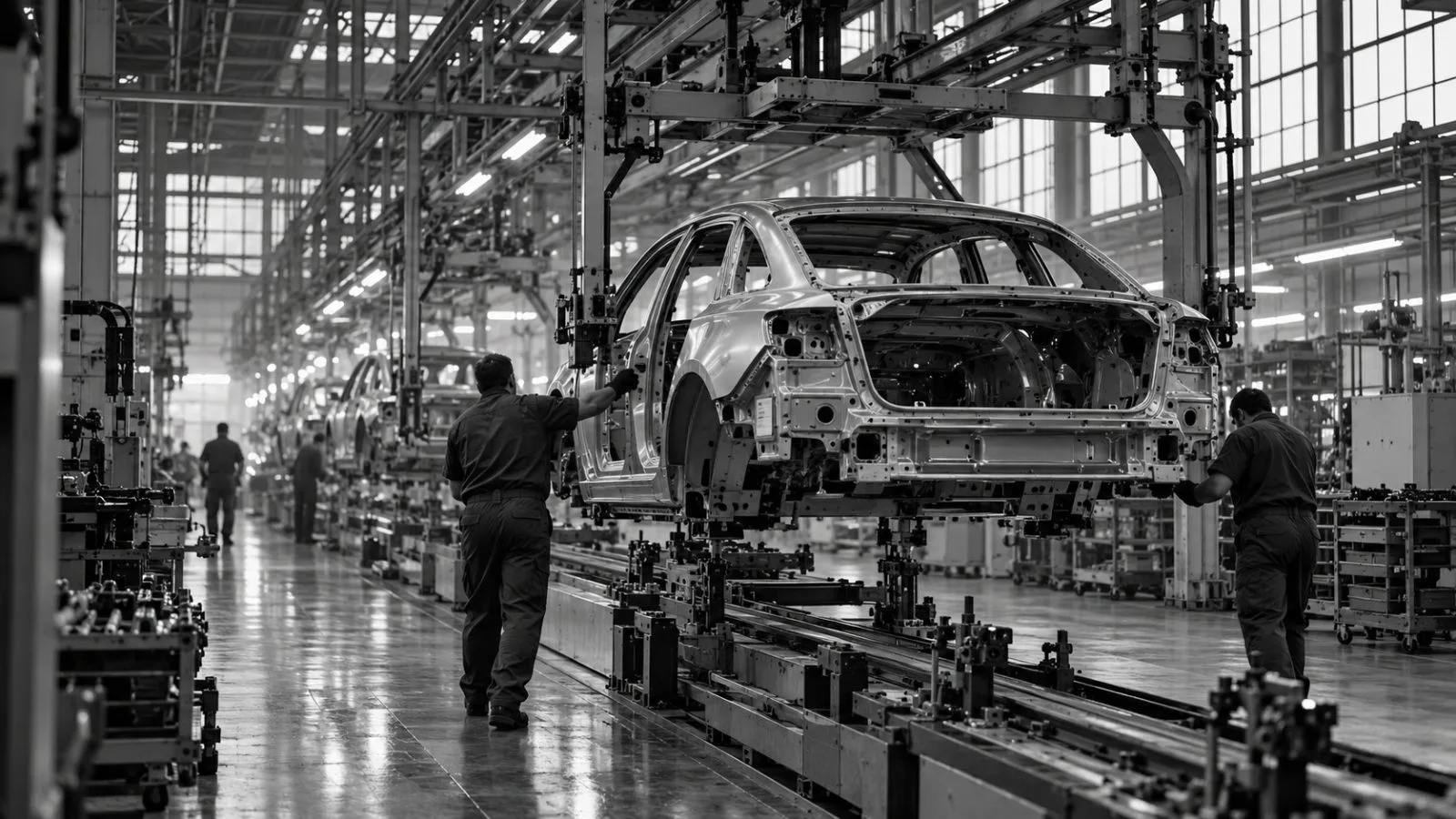
The Federal Statistical Office (Destatis) said establishments with 50 or more employees had 144,100 fewer manufacturing jobs year over year, leaving 5.29 million at the end of June. Automotive employment fell by 42,300, or 5.8%, to 691,500, the sector’s lowest level since 2005.
In an Oct. 31 opinion column, Jenner called for less reporting and regulation, incentives for overtime, more flexible work arrangements and changes to rules on continued pay during medical leave. He argued that paperwork takes staff time and money, and also urged a stronger European trade policy and AI-supported public administration. “A short-term boost fueled by debt is no substitute for a real, self-sustaining recovery in private investments,” Jenner wrote.
Jenner said Germany’s growth outlook relies too heavily on public spending and subsidies. The German Federal Government projects real GDP growth of 1.3% in 2026, 1.1% in 2027 and 0.6% in 2028. Its autumn outlook points to exports and state investment in defense and infrastructure as supports for growth.
The Deutsche Bundesbank says manufacturing job losses have been concentrated in energy-intensive industries and automotive production. It also points to weak sales in important export markets, soft global demand for vehicles with combustion engines and growing competition from Chinese suppliers. The Bundesbank describes the shift toward services as a long-term trend: manufacturing’s share of employment covered by social security contributions declined from just over 22% in 2010 to about 18.5% in its latest figures.
Kärcher said its 2025 revenue rose 1.1% to €3.483 billion, or 3.2% after currency adjustment. The company said it had decided on €170 million in investment for innovation and expansion, including upgrades at German plants and facility projects in Romania and China. It attributed slower growth in 2025 to trade barriers, price pressure, particularly from Chinese manufacturers, and regulatory hurdles.
In the Oct. 31 column, Jenner also said structural and employee costs make additional German production capacity and hiring uneconomic, extending an issue covered in an earlier EconoTimes report on Kärcher’s production capacity.