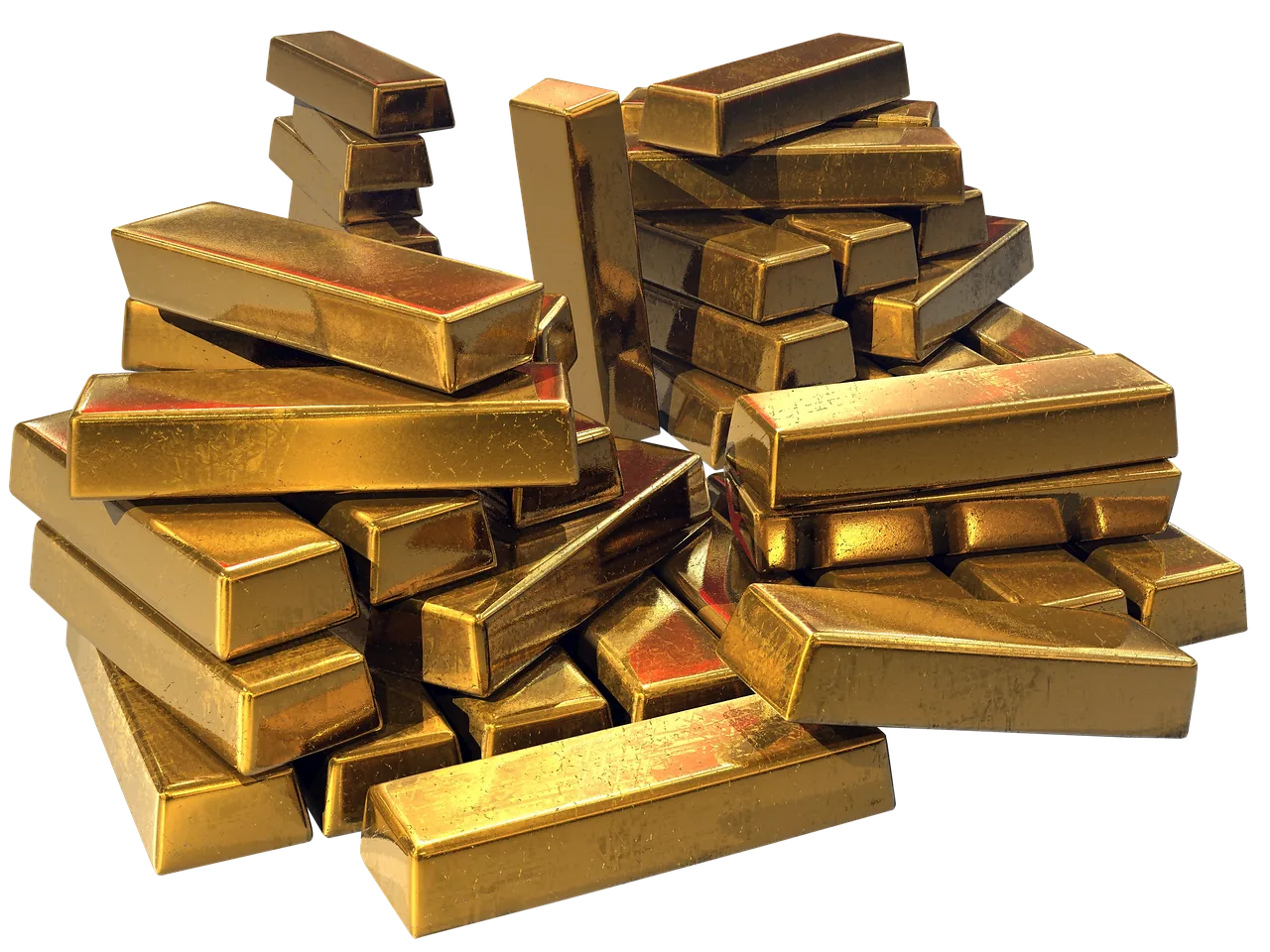
Gold prices remained close to $4,160 per ounce on Friday after reaching a two-week high, supported by falling U.S. Treasury yields and increased demand for safe-haven assets amid volatility in global stock markets.
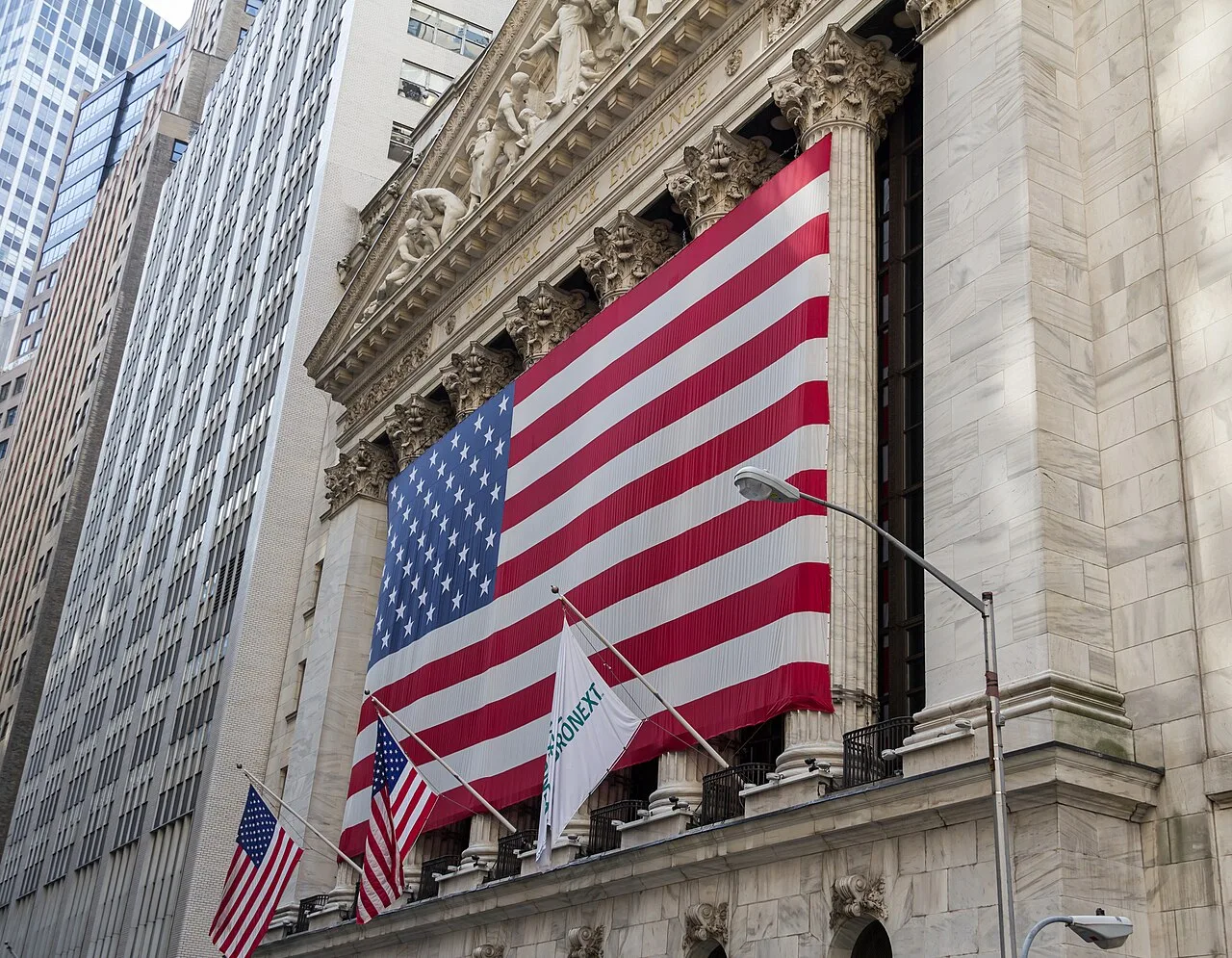
The precious metal gained momentum as investors shifted away from equities and toward government bonds, following concerns about the sustainability of the artificial intelligence investment boom. Heavy selling in semiconductor stocks triggered a broader market retreat, although equity markets showed signs of stabilizing on Friday.
As of 21:17 ET (01:17 GMT), spot gold (XAU/USD) declined 0.3% to $4,158.33 per ounce, while U.S. gold futures advanced 0.2% to $4,179.40.
Other precious metals recorded modest losses. Silver prices fell 0.2% to $57.3175 per ounce, platinum dropped 0.3% to $1,625.55, and palladium slipped 0.5% to $1,127.70. Meanwhile, the U.S. Dollar Index weakened 0.5% to 102.04.
Gold had surged 1.6% in the previous trading session, marking its strongest daily increase in more than two weeks. The recovery followed a sharp decline in Treasury yields, which dropped between 12 and 15 basis points across different maturities.
Lower bond yields generally support gold prices because they reduce the opportunity cost of holding the non-interest-bearing metal. A weaker U.S. dollar also makes gold more attractive to investors using other currencies.
Despite the recent rebound, gold remains under pressure from elevated U.S. interest rates. Prices have fallen approximately 20% since the U.S.-Iran conflict began in late February, reflecting persistent concerns about inflation and tighter monetary policy.
Stronger-than-expected U.S. consumer inflation data for September, released Wednesday, reinforced expectations that the Federal Reserve could raise interest rates at its October policy meeting. Thursday's producer price and retail sales reports added to speculation about further monetary tightening.
Investors are now closely monitoring Federal Reserve Chair Kevin Warsh's scheduled speech at an International Monetary Fund meeting in Bangkok on Friday at 10:30 a.m. local time.
His comments could provide fresh insight into the Fed's interest rate outlook and influence the next direction of gold prices, Treasury yields, and the U.S. dollar.