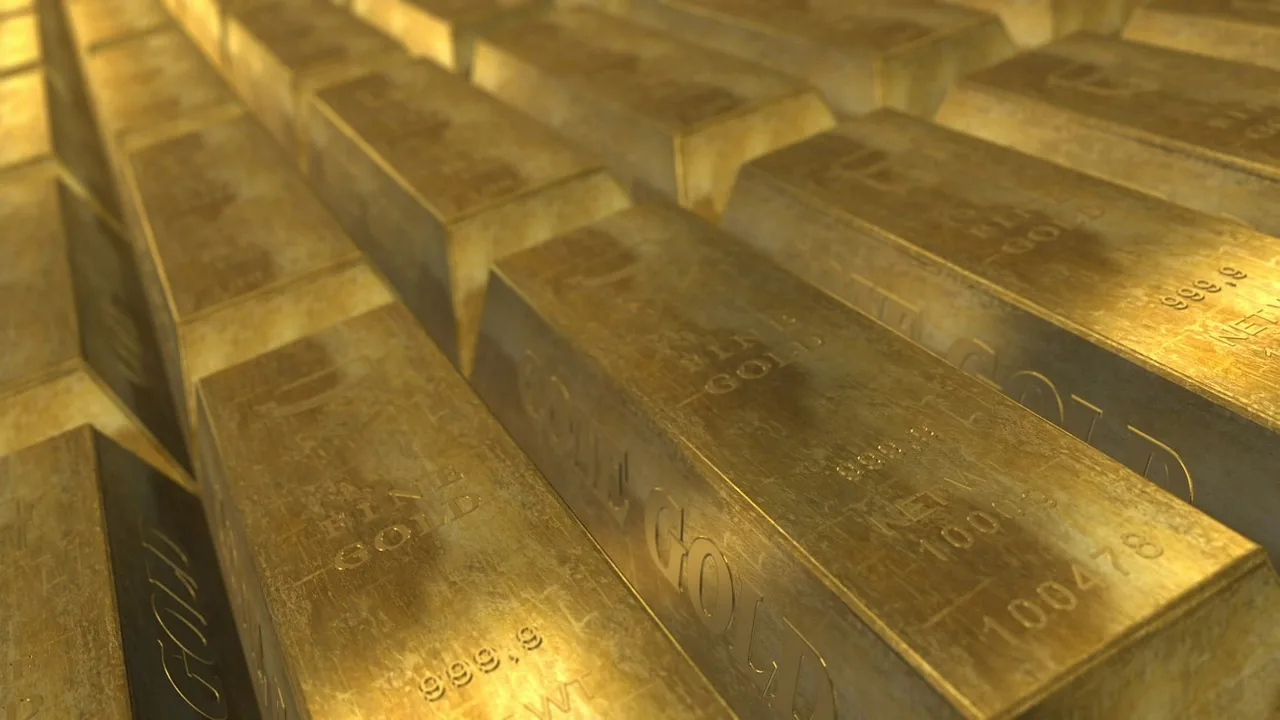
Gold prices climbed on Thursday as a weaker U.S. dollar and declining Treasury yields supported demand for the precious metal, despite persistent concerns that elevated inflation could force the Federal Reserve to maintain higher interest rates.
Spot gold gained 1.2% to $4,152.51 per ounce by 08:41 GMT, while U.S. gold futures advanced 1.6% to $4,173.75 per ounce, recovering from volatility triggered by stronger-than-expected U.S. inflation data.
The rebound followed Wednesday's sharp initial decline after consumer price figures showed monthly inflation accelerating beyond economists' forecasts. Rising energy costs linked to the ongoing Iran war were a major contributor to the increase, intensifying concerns about persistent price pressures.
The inflation report initially prompted investors to raise expectations for a Federal Reserve interest rate hike at its October 27-28 policy meeting. U.S. Treasury yields surged briefly, while the dollar strengthened as traders adjusted their outlook for monetary policy.
Higher interest rates typically pressure gold prices because bullion does not generate interest income. A stronger dollar also makes gold more expensive for international investors, potentially weakening demand.
However, expectations for aggressive monetary tightening subsequently eased. Analysts at Vital Knowledge noted that financial markets were pricing in approximately 30 basis points of additional rate increases through the end of 2026, compared with 25 basis points previously.
Meanwhile, a broad selloff in artificial intelligence stocks encouraged investors to seek safety in U.S. government bonds, pushing Treasury yields lower. The U.S. dollar index declined 0.5% to 102.01, providing additional support for gold.
Despite Thursday's recovery, uncertainty surrounding the Federal Reserve's interest rate outlook remains a significant factor influencing bullion markets.
Chicago Fed President Austan Goolsbee described the latest inflation figures as disappointing and warned that substantial investment in artificial intelligence infrastructure could contribute to economic overheating. He also emphasized that it remains unclear whether current borrowing costs are sufficiently restrictive to bring inflation back toward the Fed's 2% target.
Looking ahead, Rick Kanda, managing director of The Gold Bullion Company, said gold's performance in 2027 would depend on sustained central bank purchases, movements in interest rates and the dollar, and continued investor demand for safe-haven assets amid global economic uncertainty.