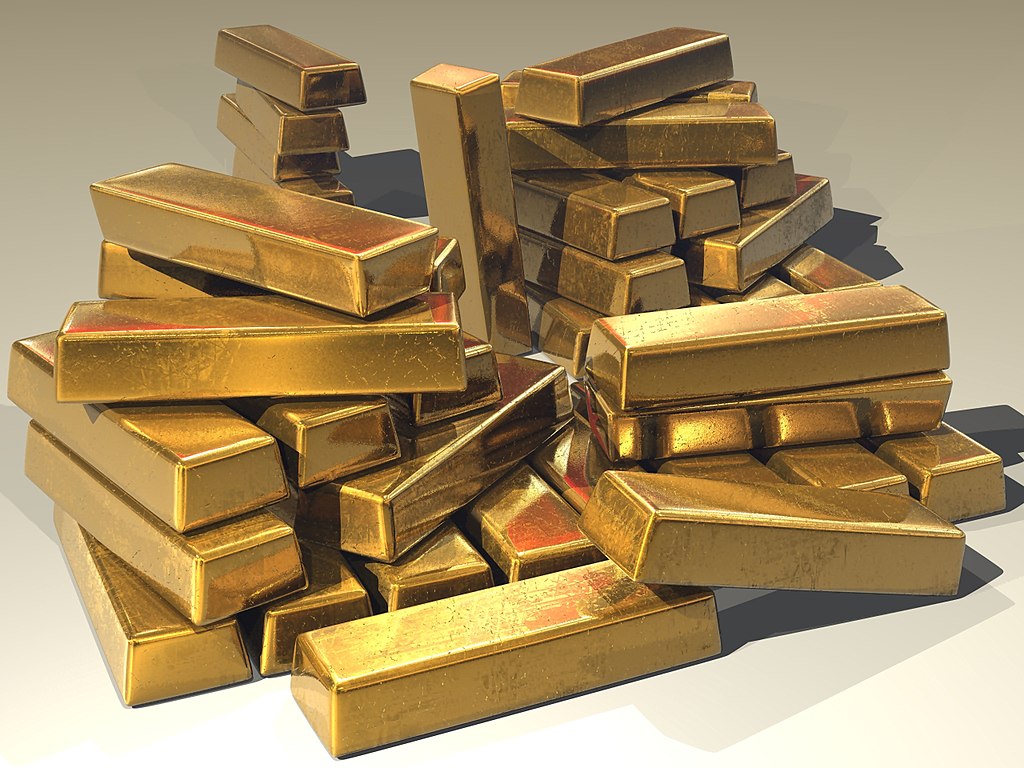
Gold prices found modest footing during Asian trading on Friday, yet remained on track for their steepest weekly decline since early 2020. The ongoing U.S.-Israel military conflict against Iran has stoked inflation fears and significantly reduced expectations for near-term interest rate cuts, weighing heavily on precious metals.
Spot gold edged up 0.1% to $4,655.74 per ounce, while gold futures climbed 1.2% to $4,659.46 per ounce. Despite this slight recovery, the metal is still down nearly 8% for the week — a historically sharp pullback for an asset traditionally viewed as a safe haven during geopolitical uncertainty.
The Iran conflict, which began in late February, has paradoxically undermined gold's appeal. Rather than driving investors toward the precious metal, the war triggered a surge in the U.S. dollar and Treasury yields as markets priced in persistent inflation. Rising oil prices — now near four-year highs following strikes on Middle Eastern energy infrastructure — have compounded these concerns, disrupting global supply chains and pushing energy costs higher.
Major central banks responded cautiously. The Reserve Bank of Australia raised interest rates, while the Federal Reserve, European Central Bank, Swiss National Bank, and Bank of Japan all held rates steady, signaling limited flexibility in the months ahead. This hawkish tone has dimmed the outlook for gold, which typically benefits from lower borrowing costs.
Gold has also broken below its $5,000–$5,200 per ounce trading range that held since the war began, signaling potential further downside pressure.
Other precious metals also struggled. Spot silver declined 0.2% to $72.68 per ounce, on pace for a nearly 10% weekly loss. Platinum dropped 0.4% to $1,967.63 per ounce, down roughly 3% for the week. Investors continue monitoring central bank signals and geopolitical developments for directional cues.