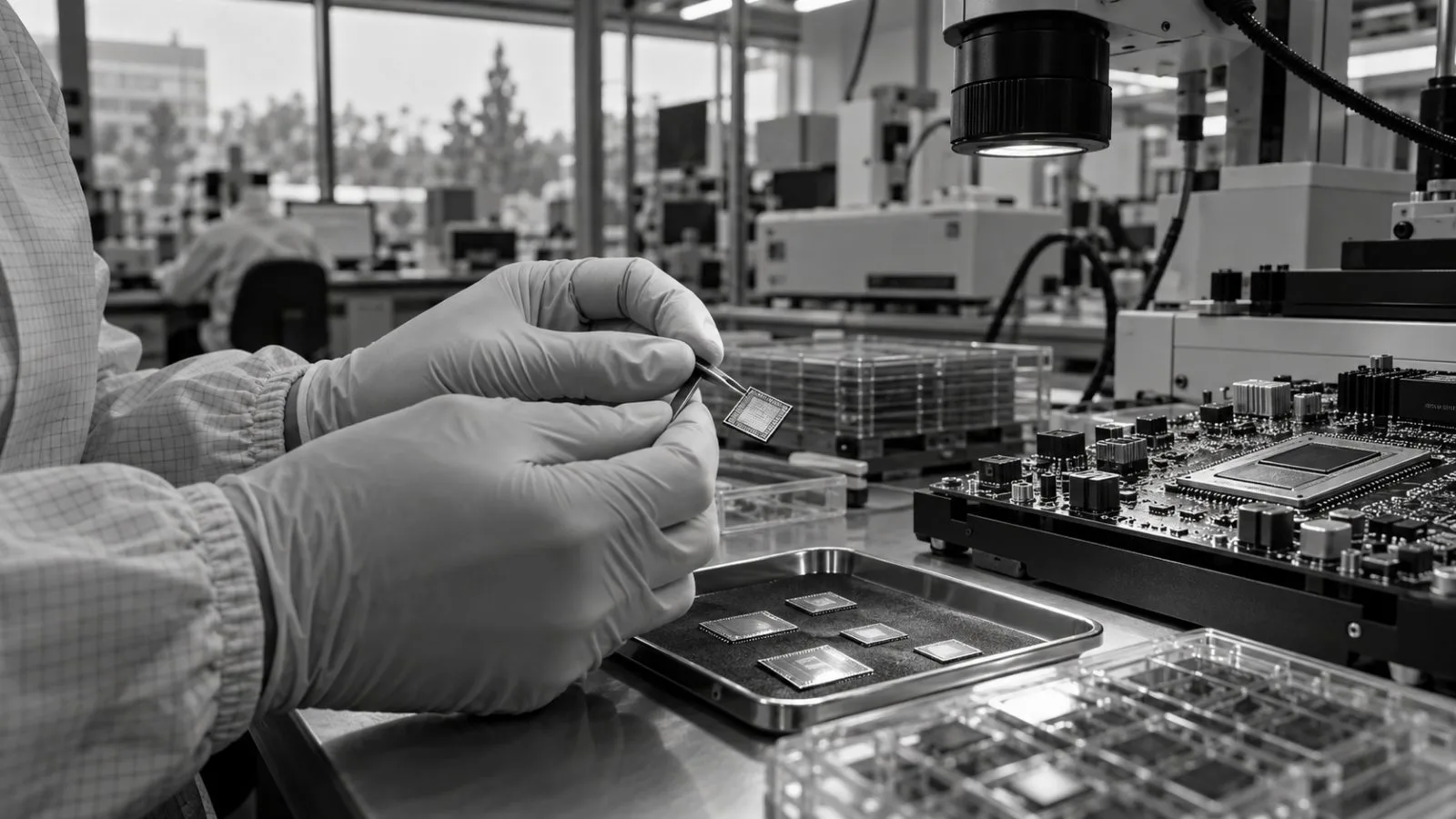
Google introduced two configurations for its eighth-generation tensor processing units (TPUs) on Nov. 9, addressing customer requests for protection of sensitive data during processing and more capacity for large AI workloads.
The company said the additions bring its 2026 TPU introductions to four systems, the first time it has announced four in a single year. Google launched TPU 8t and TPU 8i in April. The new systems reuse existing chip designs but change the host setup or package configuration.
TPU 8tx uses the same silicon as TPU 8t, paired with 5th Generation AMD EPYC CPU hosts. Google said the system uses hardware-based safeguards for data and model weights while they are being processed, a feature aimed at governments and businesses in regulated sectors. It claims latency can be as much as two times lower than on TPU 8t, with a near-zero performance penalty.
TPU 8i Max puts two TPU 8i chips in one package. Google said the design doubles compute capacity, on-chip SRAM and high-bandwidth memory bandwidth compared with TPU 8i. It is intended for tasks that use large context windows, including AI agent workloads that can encounter memory-bandwidth limits.
Google said outside customer feedback helped shape the configurations. Regulated organizations sought specialized encryption for sensitive information during computation, while some AI workloads require more memory bandwidth to handle larger context windows.
Google Cloud reported $30.709 billion in revenue for the quarter ended Sept. 30, up 103% from a year earlier. Alphabet said TPU system sales made a meaningful contribution but did not disclose a separate sales figure.
In its second-quarter filing, Alphabet said it had recognized revenue from a limited number of TPU system supply agreements and expected most revenue from those agreements in 2027. On its Oct. 28 earnings call, Alphabet said it expected Google Cloud TPU system sales to expand in the fourth quarter of 2026, with revenue from those systems rising meaningfully in 2027.