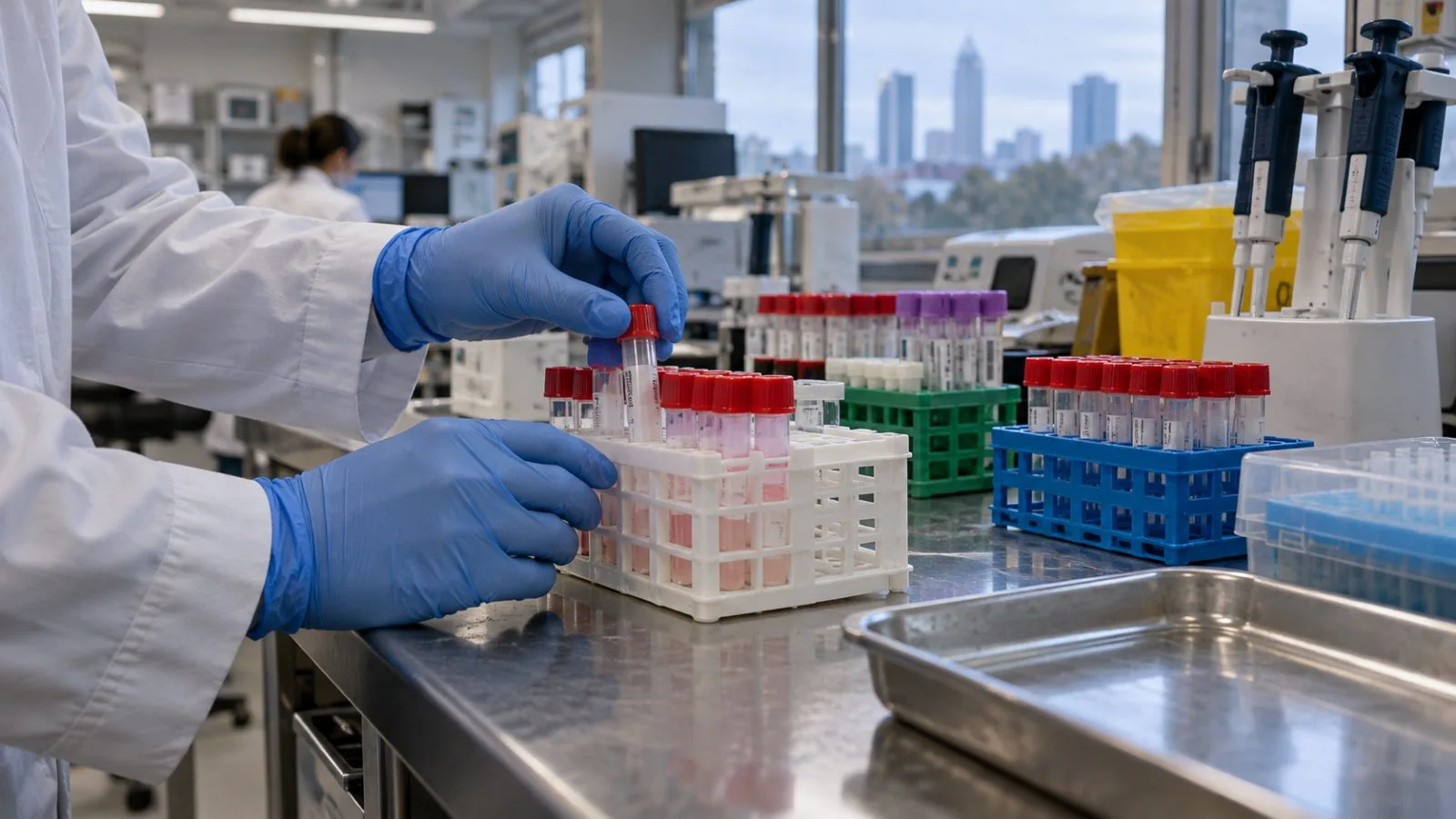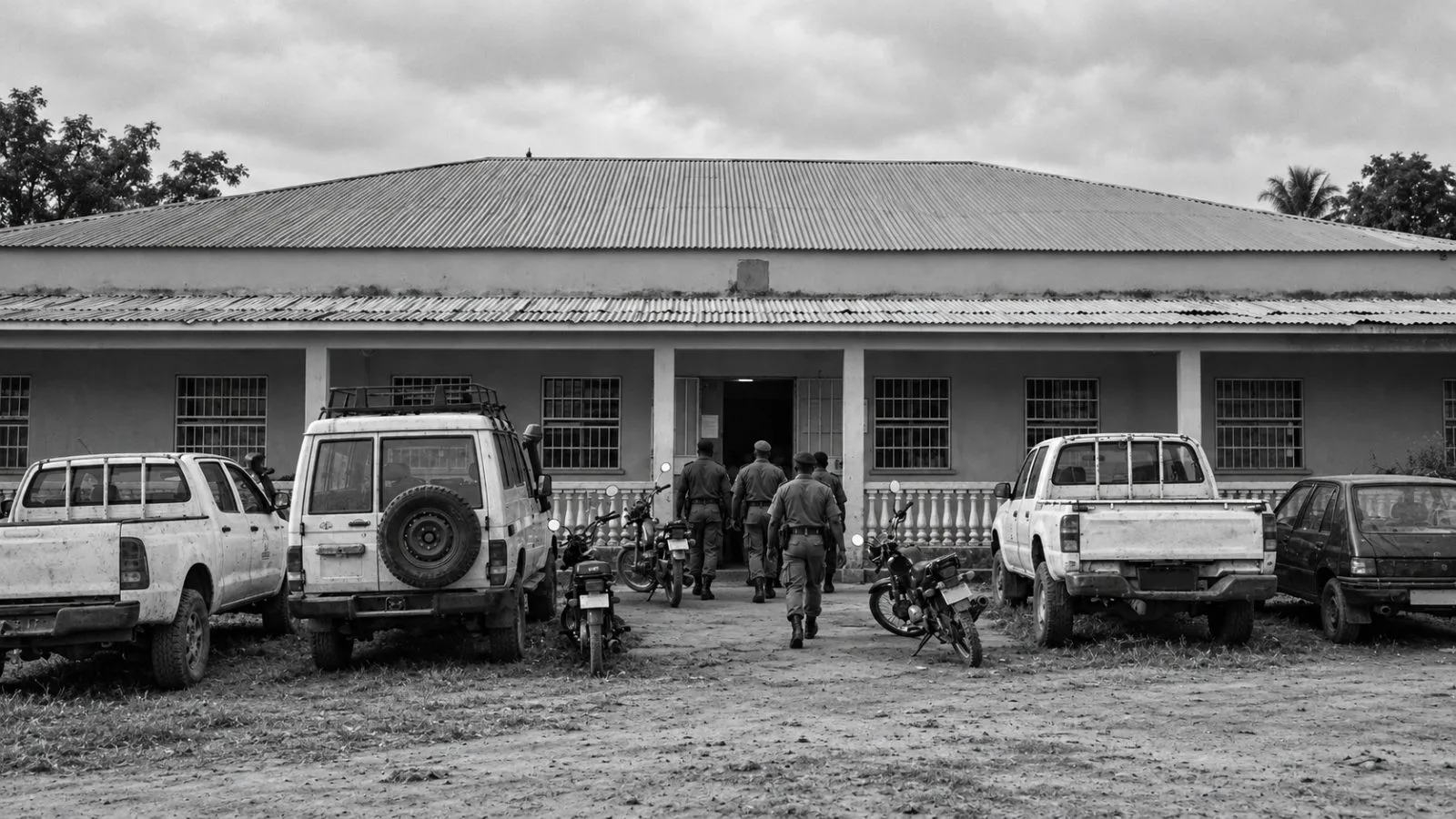
Guinea-Bissau’s Judicial Police seized a batch of hepatitis B vaccines from the Bandim Health Project on Monday, Oct. 19, amid a dispute over approval for a proposed newborn study.
Officers searched the project’s premises in Bissau, police said. The force described the vaccines as intended for children and said it was investigating the circumstances surrounding the batch. It gave no quantity and said the seizure alone did not indicate a problem with the vaccines’ quality, safety or effectiveness. The police statement did not connect the batch to the study.
The U.S. Centers for Disease Control and Prevention (CDC) awarded about $1.6 million to the University of Southern Denmark for the proposed research. A federal notice sets the award’s performance period from Jan. 5, 2026, through Jan. 4, 2031.
Bandim’s January protocol proposed enrolling at least 14,500 newborns over two years. Half would be assigned an extra hepatitis B dose during their first week; the others would follow Guinea-Bissau’s routine schedule. Bandim says that schedule gives doses at about six, 10 and 14 weeks. The figures and procedures describe the January proposal.
Bandim says the extra-dose group would gain protection earlier, while children in the other group would still receive the vaccinations provided under current policy. The World Health Organization (WHO) warned in February that assigning newborns no birth dose could expose them to serious harm. WHO says a timely dose prevents 70% to 95% of hepatitis B transmission from mother to child. It estimated that more than 12% of Guinea-Bissau’s adults had chronic hepatitis B in 2022.
Bandim says the study has received ethics approvals. Guinea-Bissau Health Minister Quinhin Nantote said Oct. 13 that the government had not authorized the study under the terms being reported. WHO said in February that the study was suspended pending further review. The organization says Guinea-Bissau plans to introduce routine hepatitis B vaccination at birth by 2028.