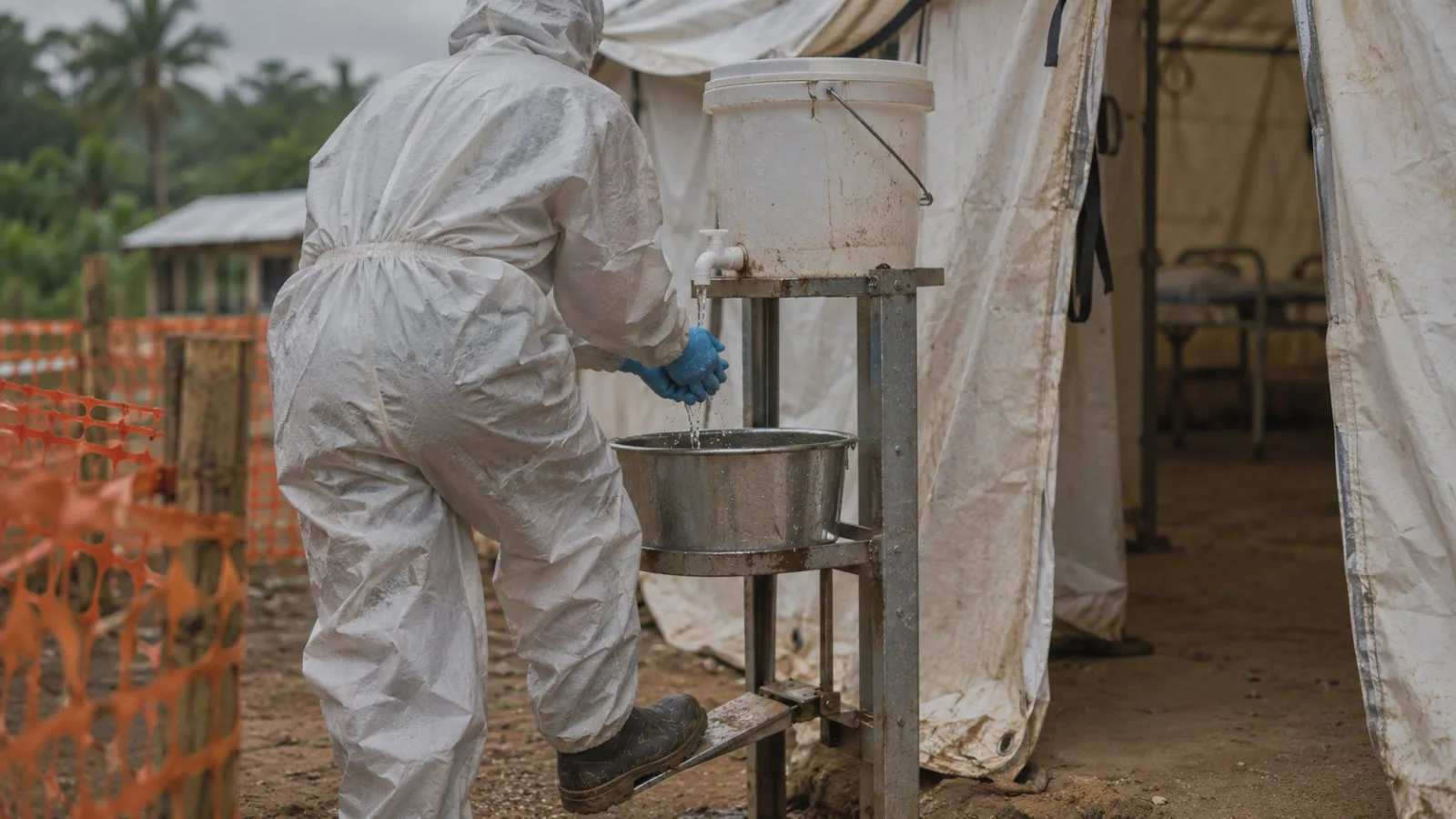
Gaza had 33,000 more acute respiratory infection cases than at the same time last year, the World Health Organization (WHO) said Friday, as flooding compounds risks in crowded shelters for displaced Palestinians.
Acute respiratory infections accounted for 11% of all consultations, WHO said. Its representative in the Occupied Palestinian Territory, Dr. Reinhilde Van De Weerdt, told reporters in Geneva that poor living conditions and dense shelter populations are contributing to infections as more residents share limited space. WHO expects colder weather, flooding and crowded, poorly ventilated shelters to push cases higher. Van De Weerdt said, “The worst really is yet to come.”
Reuters reported that rainwater inundated camps containing tens of thousands of tents for displaced Palestinians. Reuters associated worsening crowding with the Israeli military’s advance of the “yellow line,” a boundary established under the U.S.-brokered ceasefire in October. Reuters said it had not received immediate comment from the Israeli military or COGAT, Israel’s military body for aid coordination. Reuters also reported that COGAT said the previous week it had increased sanitation work with international organizations ahead of the rain.
WHO estimates nearly 1 million displaced people live in areas exposed to flooding, including 400,000 in locations at extremely high risk. Flooding raises the danger of contaminated water, while standing water provides more places for mosquitoes and pests to breed. The agency said damp conditions can encourage mold and bacteria linked to respiratory infections, particularly among young children.
WHO said most medicines are reaching Gaza, but it is having difficulty obtaining laboratory supplies needed to diagnose patients before treatment. Van De Weerdt called Friday for laboratory equipment to be allowed into Gaza to help prevent outbreaks.