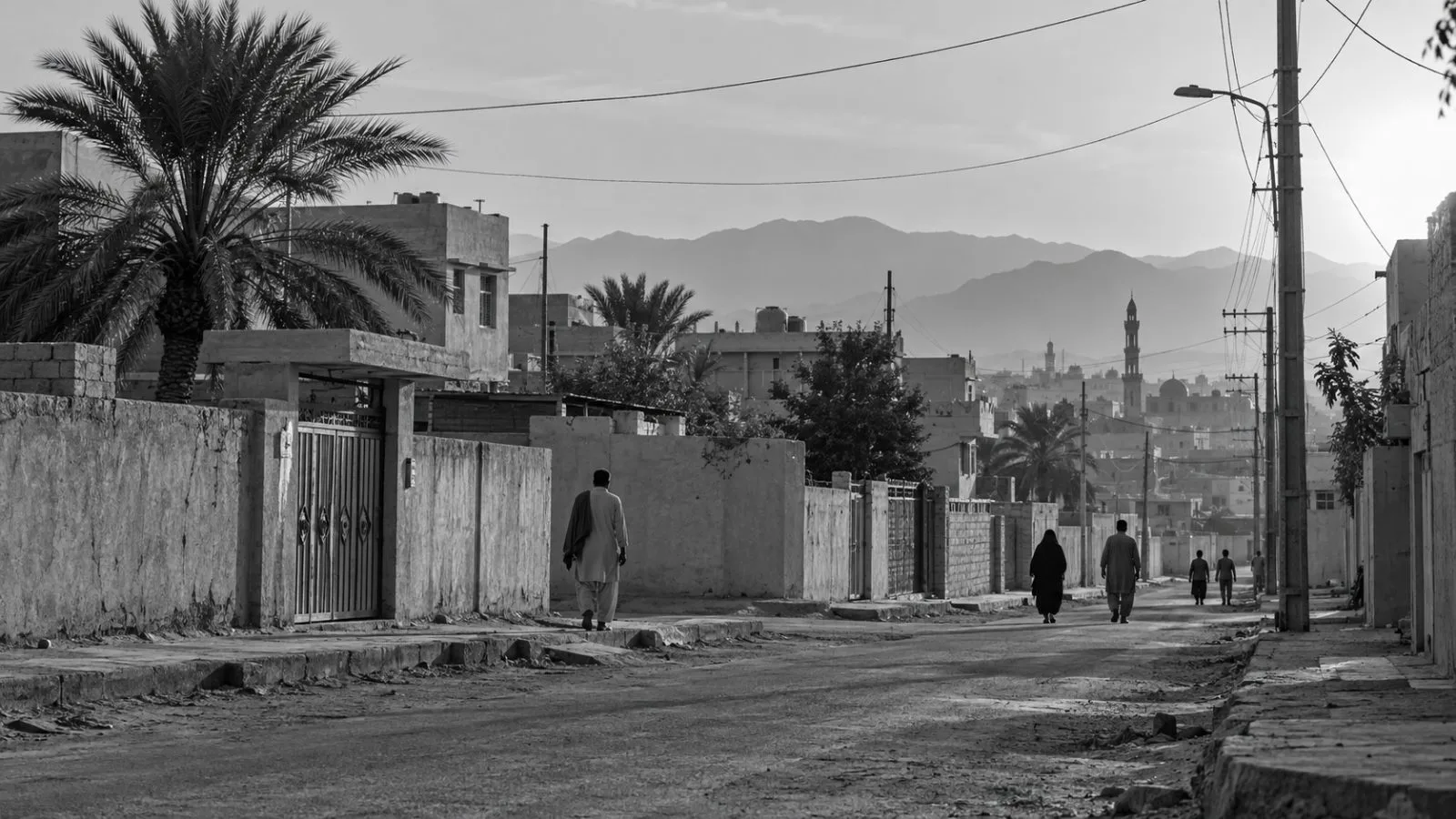
The Human Rights Activists News Agency (HRANA) recorded at least 63 armed incidents in Iran’s Sistan and Baluchestan and Kerman provinces from March 31 to Oct. 10, a tally that includes a late surge during the Iran war.
HRANA recorded 18 incidents from Sept. 23 to Oct. 10, more than it counted in any earlier full month in its review. It identified Zahedan, Saravan, Iranshahr and Rask among the locations of notable clashes.
HRANA’s local and unofficial reports listed at least 94 deaths and 33 injuries. Its compilation of official-source reports listed 87 deaths and 10 injuries; the agency said aggregate casualty figures are minimums. Its civilian breakdown showed seven civilians killed and four injured in unofficial reports, compared with one killed and one injured in official-source reports. HRANA said local civilians also face risks including damage to homes and livelihoods, arrests and security restrictions.
The agency said public claims of responsibility were absent in many cases and its evidence did not identify those responsible for numerous attacks. It described gaps in development, employment, infrastructure and services in the region, while cautioning that deprivation alone does not explain armed violence.
In neighboring Pakistan, the Pakistan Institute for Conflict and Security Studies (PICSS) counted 131 attacks in Balochistan in September, part of 225 attacks nationwide. Its August report counted 89 incidents in Balochistan.
Deutsche Welle (DW) reported that Iranian journalist Mehdi Nakhl Ahmadi said armed groups might seek to exploit security gaps during the war. DW said it could not establish that such gaps drove the recent rise, and reported no evidence of coordinated cross-border cooperation among Baloch organizations active in Iran and Pakistan.
DW described Iran’s Sistan and Baluchistan province as predominantly Sunni and economically disadvantaged. A person familiar with the Baloch community told DW that grievances included employment, education, regional development and religious discrimination; the reporting did not establish these as causes of specific attacks.