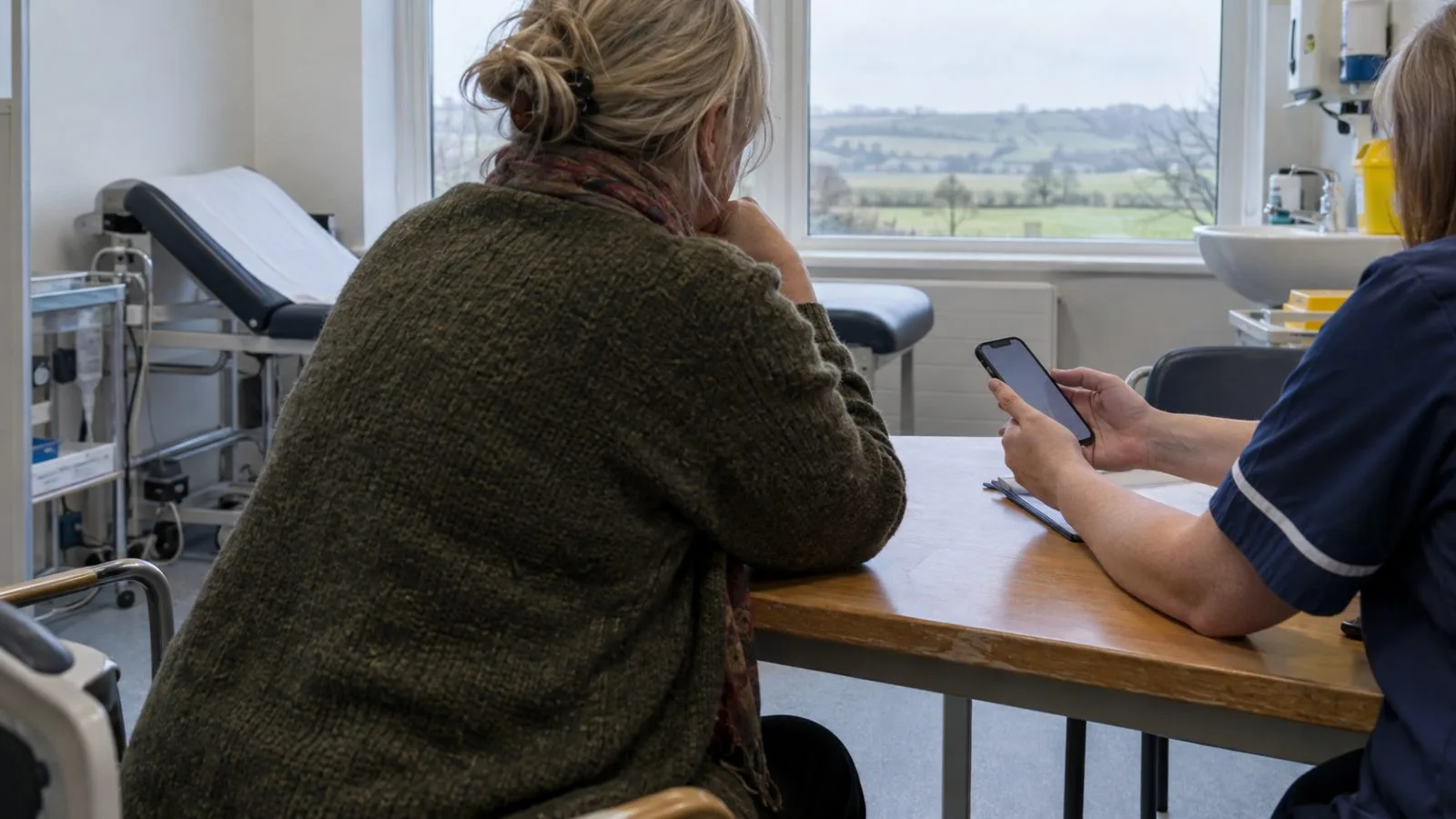
Helfie AI said it has part-funded an evaluation with Health Innovation South West to test whether smartphone screening can identify high blood pressure earlier among people who face barriers to conventional care.
The work will also consider how digital checks might fit into efforts to prevent cardiovascular disease. The company said the assessment should not serve as a buying guide or signal that Health Innovation South West approves a particular tool. Rania Awad, chief strategy officer at Helfie AI, said: “Prevention only works if it reaches people where they are.”
Health Innovation South West describes its broader work as testing technologies in real-world settings and focusing on rural and coastal communities. That context helps explain the project’s attention to access, though the announcement does not name an evaluation site.
The World Health Organization estimated that 1.4 billion adults ages 30 to 79 had hypertension worldwide in 2024, including 600 million who did not know they had it. Those figures show the scale of the detection challenge, but they do not establish whether smartphone screening improves detection or health outcomes.
For clinic readings of 140/90 mm Hg or higher but below 180/120 mm Hg, the National Institute for Health and Care Excellence (NICE) recommends ambulatory blood pressure monitoring to confirm hypertension. NICE advises offering home monitoring when ambulatory checks are unsuitable or the person cannot tolerate them.
Helfie describes its Checkup AI as a phone-based facial scan lasting about half a minute that estimates blood pressure and other vital signs. The partnership announcement does not say whether that tool will be assessed.
The company gave no start date, participant count, success measure or timetable for results. The eventual findings are the next indicator of whether the screening approach helps identify at-risk people earlier.