A World Health Organization (WHO) report found that residence, education and income are associated with inequalities in noncommunicable disease risks and access to care, including rural gaps in hypertension services and cervical cancer screening.
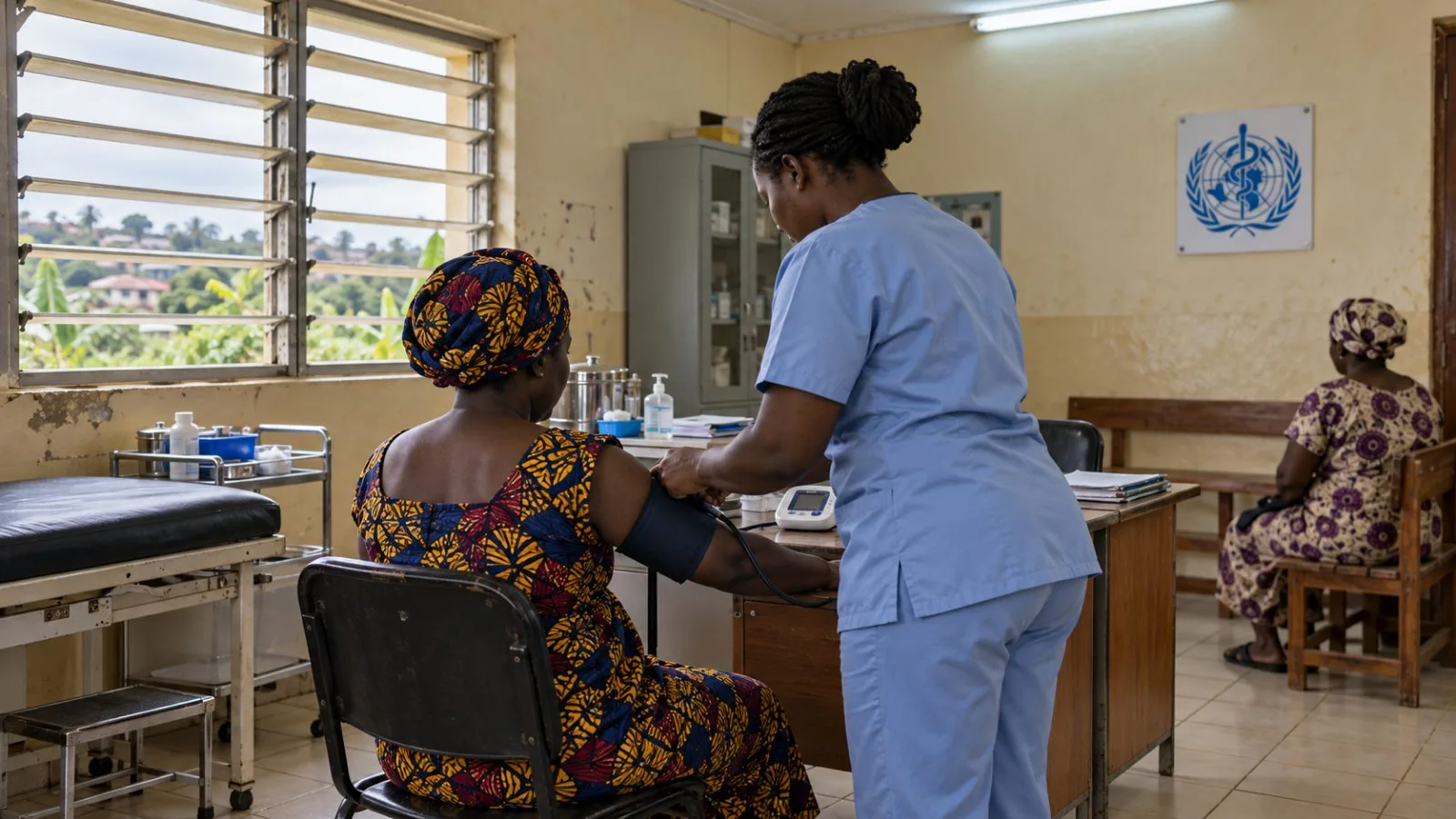
Published Oct. 20, the report is WHO’s first global assessment of inequalities in noncommunicable diseases and their risk factors. WHO found that people in rural areas of many low- and middle-income countries have less access than urban residents to cervical cancer screening and to hypertension diagnosis and treatment.
The report also found that hypertension and diabetes rates are higher among people with less education in low- and middle-income countries. Across countries, women with lower incomes or less education are less likely to receive cervical cancer screening, WHO said.
WHO found that hypertension is diagnosed and treated less often among younger adults than older adults. It also reported lower rates of diagnosis and treatment among men with hypertension.
The assessment compared population groups within countries using nine multicountry data sources. Its 35 indicators covered cancer, cardiovascular disease, diabetes and chronic respiratory disease, along with risk factors such as tobacco use and air pollution.
WHO said findings vary across countries and population groups. Gaps in comparable data make it harder to track those inequalities, the report said.
An accompanying advocacy brief calls on governments to reduce financial and geographic barriers to prevention and care. It also urges them to collect more detailed data and direct services toward underserved communities.
WHO is scheduled to present the findings at a webinar on Oct. 22.