


 Gold Steady as Softer U.S. Inflation Eases Fed Rate Hike Bets
  US Stocks Slip as Treasury Yields Ease, AI Trade Rebounds
  Morgan Stanley Launches Digital Asset Lab for Stablecoins and Tokenization
  Oil Prices Steady as Middle East Crude Flows Recover
  Bitcoin Slides Toward $83K as Treasury Yields Hit 2007 High
  Asian Stocks Fall as Bond Yields and Oil Prices Surge
  U.S. Stock Futures Steady as AI, Rate Concerns Weigh
  Bitcoin Holds Above $83,700 as High Treasury Yields Limit Rally
  Bitwise Launches NEAR ETF as $562 Bull Case Fuels AI Crypto Buzz
  Gold Prices Slip as High Treasury Yields Weigh on Bullion
  BOJ Signals Faster Rate Hikes as Inflation Risks Grow
  Grayscale Sees Zcash Gaining Market Share Against Bitcoin
  Bitcoin Tests Crucial $82K Support as $90K Breakout Looms
  Dollar Eases Near Two-Month High as Yen Rebounds
  Gold Holds Near Seven-Week Low as Fed Rate Hike Bets Rise


 Add as a preferred source on Google
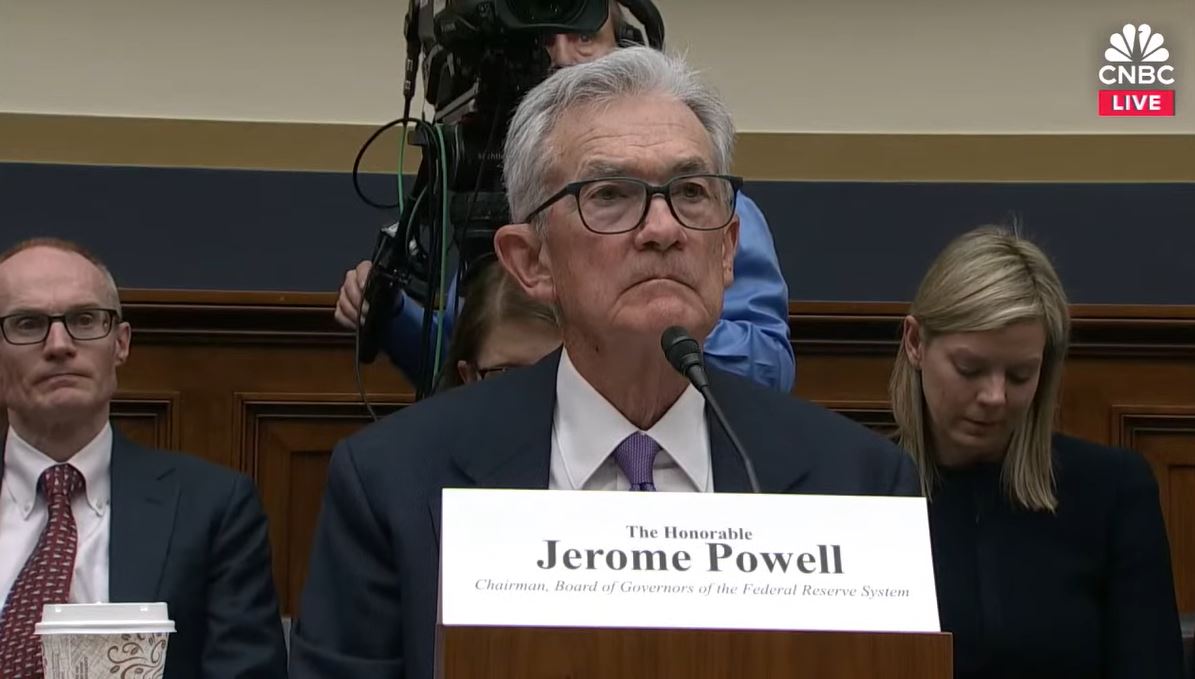

The Federal Reserve held interest rates steady at its May 1, 2024, policy meeting, dashing the hopes of potential homebuyers and others who were hoping for a cut. Not only will rates remain at their current level – a 23-year high – for at least another month, there’s little reason to believe the Fed will start tapering until the fall. Indeed, if inflation starts to heat back up, it’s plausible — though at the moment unlikely — that the Fed will consider ratcheting up rates another 25 basis points or so in the coming months.
As recently as a few months ago, investors were betting that 2024 would bring a slew of rate cuts.
But speaking as a business economist, I think it’s clear that the latest economic data discouraged the Fed from easing up as it gathered for its latest policy meeting. There’s no sign of an imminent recession. Employment is still pretty strong, with the U.S. adding 303,000 jobs in March 2024 and 270,000 in February, and the unemployment rate – at 3.8% in March – ticked up only slightly from 3.5% in March 2023. That is simply not a large enough increase to be concerned that high rates are slowing the economy down too abruptly.
While it’s true that inflation-adjusted gross domestic product growth, after posting a remarkable 4.8% annualized increase in the fourth quarter of 2023, slowed significantly to 1.6% in the first quarter of 2024, slower growth is exactly what the Fed has been attempting to engineer by raising interest rates. By controlling demand for good and services, price growth slows. That’s still not a recessionary indication.
The inflation challenge
Getting inflation rates down to the Fed’s 2% target — a number that Federal Reserve Chair Jerome Powell repeated several times during his news conference — has been challenging, to say the least. The Fed began hiking interest rates in early 2022. Initially, it had some success in reducing inflation that had peaked at about 9% that year. Indeed, as Powell said, the reduction in inflation was historically fast, due in part to both rate increases and easing international supply chain disruptions. But since June 2023, when inflation was 3.1%, there’s been little decline. Indeed, consumer price index growth hasn’t fallen below 3% since March 2021.
One of the main reasons inflation has stayed high is that there aren’t enough workers. Economic growth increases labor demand, and labor supply simply hasn’t kept pace. The result is higher wages. With higher wages, firms need to cut costs elsewhere, increase prices, or both, to maintain profitability.
Another important driver of inflation, which Powell took pains to mention, is the rising cost of rent. With higher mortgage rates, the housing market has slowed considerably, and many Americans — especially younger ones — are renting instead of buying. Sustained demand for apartments, combined with increased costs of maintenance and upkeep of rental properties, is pressuring rents upward.
Could hikes be in the future?
The next rate decision, in June, is “unlikely” to bring an increase, Powell said during his news conference. He also indicated said the current regime of high rates should be sufficient to tame inflation.
Indeed, as he noted, new job openings have fallen from a peak of 12.1 million in March 2022 to 8.4 million in March 2024. While that’s still high in absolute terms, it’s a significant decline, which suggests slower labor demand. This should then reduce pressure on wages.
So, what about rate cuts? After all, some observers were expecting rate cuts to begin this summer. Based on the information I’m looking at, that is simply not going to happen. No move will occur until September at the earliest. Until then, expect a sluggish housing market and costly borrowing, but moderating inflation and slow but steady growth.







