Rising interest rates can weaken demand for small businesses while increasing the cost of existing and new borrowing, leaving firms to balance household pressure against tighter cash flows, The Independent reported Thursday.
When mortgage and credit-card bills rise, households may scale back discretionary purchases. That can reduce demand for smaller companies even before those firms face changes in their own financing costs.
On the business side, floating-rate debt can become more expensive, while new loans may carry higher charges. Lenders may pass those increases through to existing variable-rate facilities and newly issued credit. The Independent said the added interest burden may lead some companies to postpone equipment purchases or reduce staffing.
The article also described a more limited upside for firms that have built cash reserves. Higher rates can increase the interest earned on deposits, allowing returns to compound faster. Companies able to pay suppliers immediately may also improve their negotiating position, although the benefit depends on the industry.
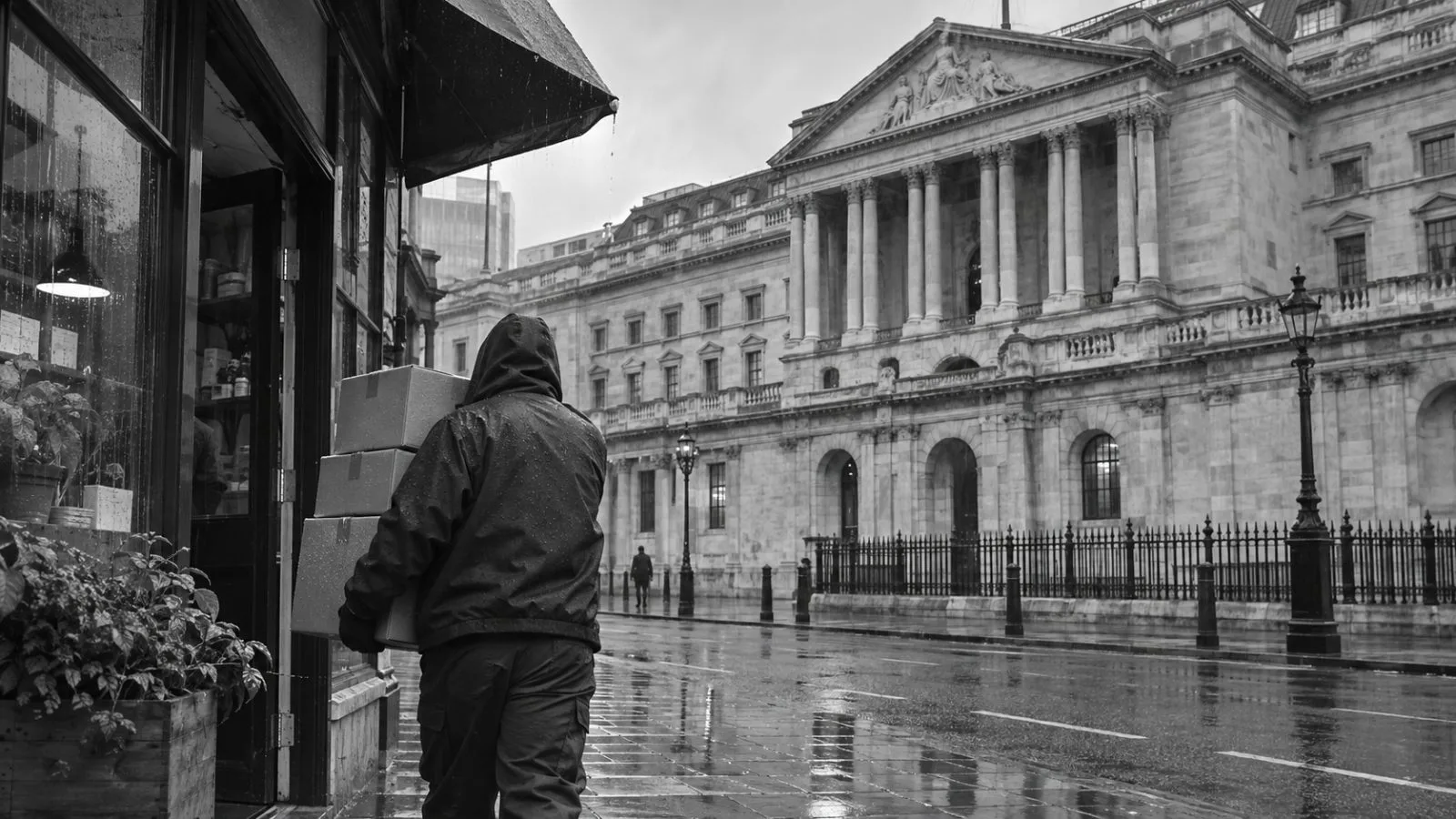
The Independent said the Bank of England had recently made borrowing more expensive as it sought to rein in inflation. The central bank uses interest rates to influence inflation and economic activity, but the resulting financing pressure can reach households and smaller employers.
For businesses trying to preserve cash, the article pointed to cutting operating expenses, seeking revised supplier terms, renegotiating leases and selling nonessential equipment. It also said some suppliers may offer better terms when trading conditions are tighter, though the effect varies by sector.
The report’s broader message was that resilience depends partly on retaining a cash buffer during stronger periods. It said directing all available funds toward expansion or personal spending can leave less room to absorb higher borrowing costs and weaker customer demand.