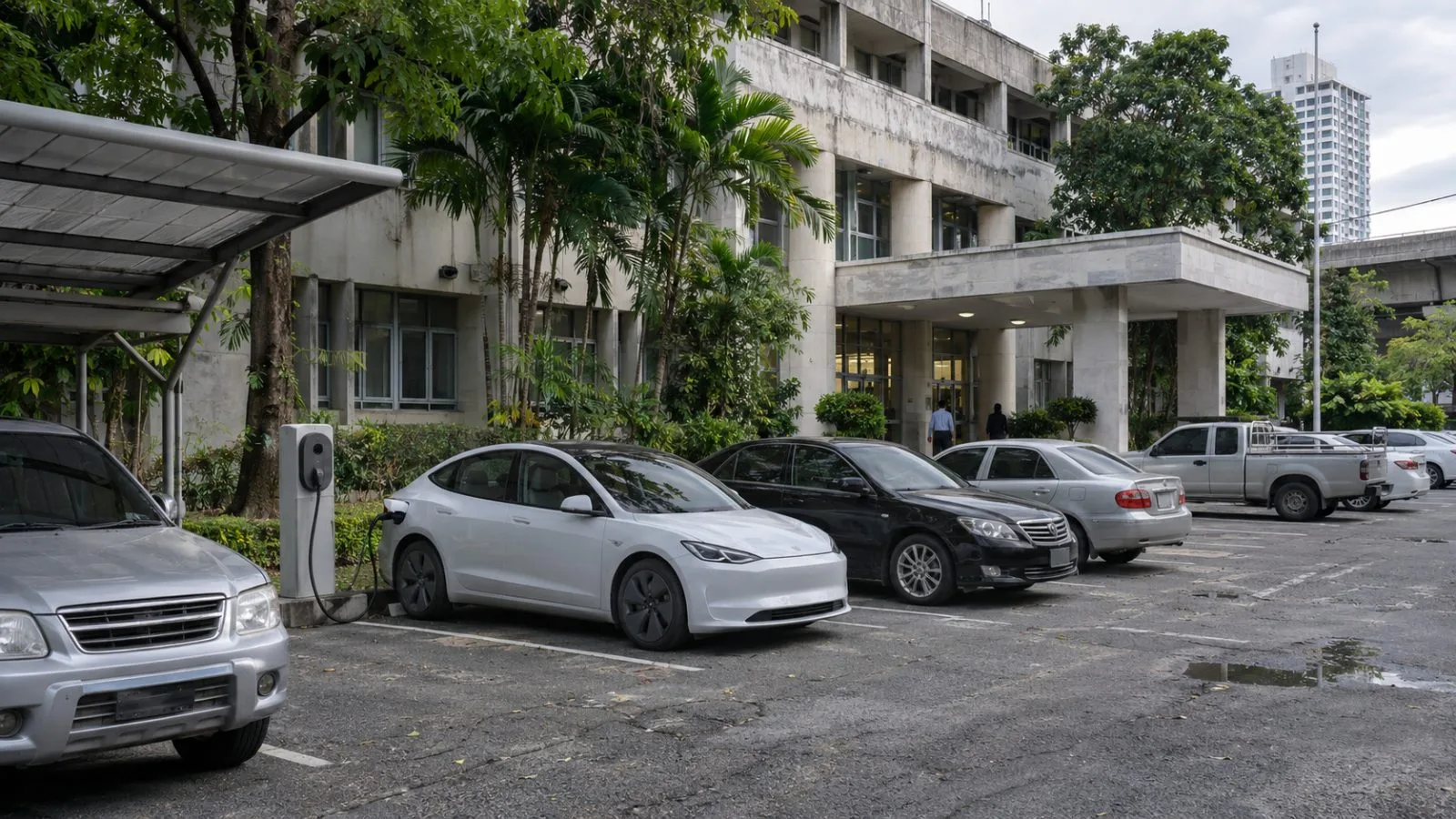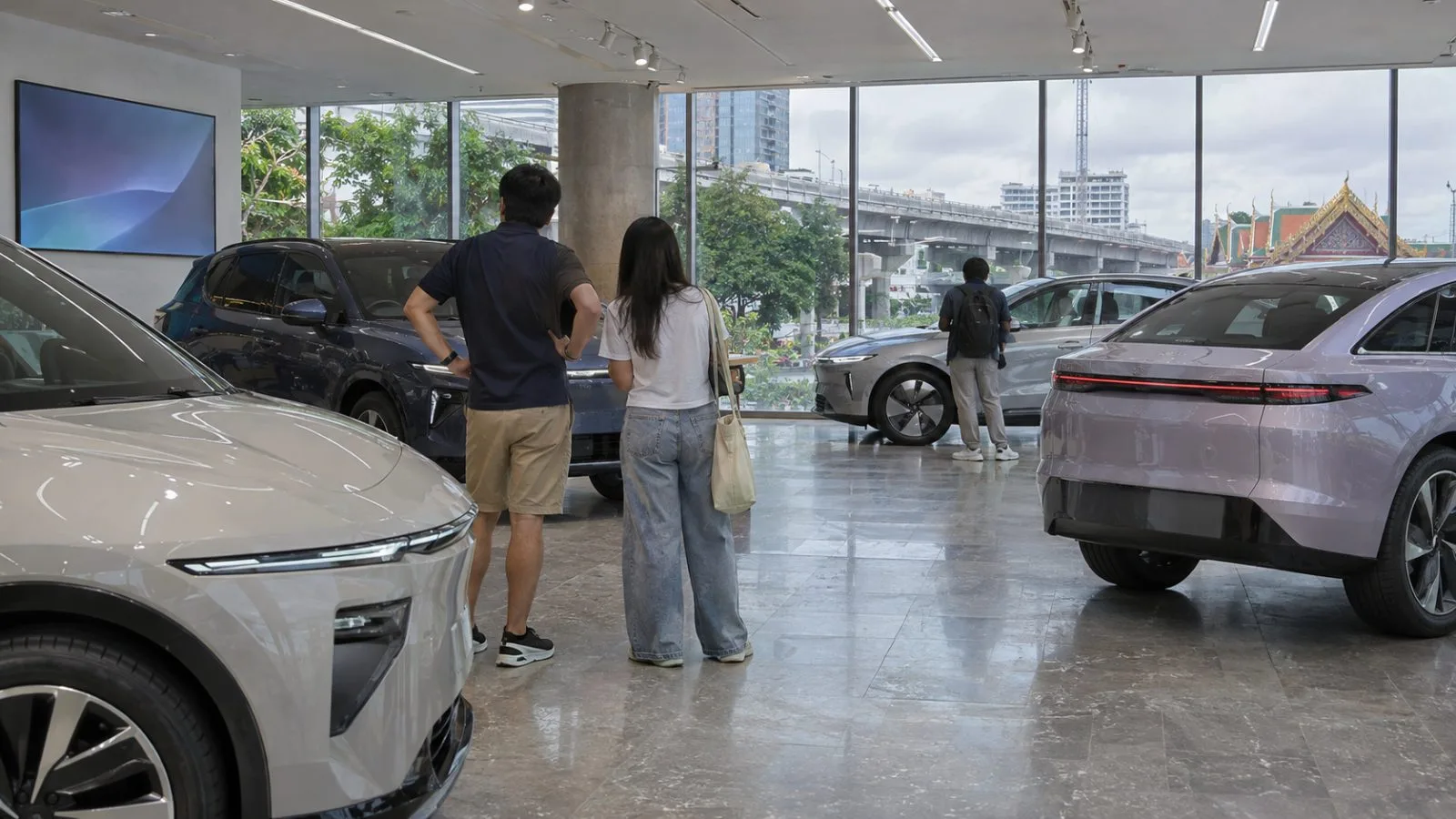
The Federation of Thai Industries (FTI) expects a year-end rush for imported electric vehicles in Thailand as buyers try to complete purchases before higher excise rates take effect Jan. 1, 2027.
The Bangkok Post reported that the Cabinet approved a new schedule under which excise on imported battery EVs will rise to 35% from 10%, while the rate for range-extended EVs will increase from 15% to 35%. The higher rates are due to take effect Jan. 1, 2027.
The newspaper described the change as an effort to protect automakers with factories in Thailand and attract investment in local EV production. It also said policymakers view zero-duty treatment for some importers under the Asean-China Free Trade Area as a competitive concern. EconoTimes previously covered a proposal to raise taxes on some imported EVs.
The FTI has called for safeguards against market disruption. It warned that imports brought forward before the deadline could leave demand weaker in 2027. The group also wants officials to clarify whether the applicable rate will depend on an order placed before Jan. 1 or a delivery made after that date.
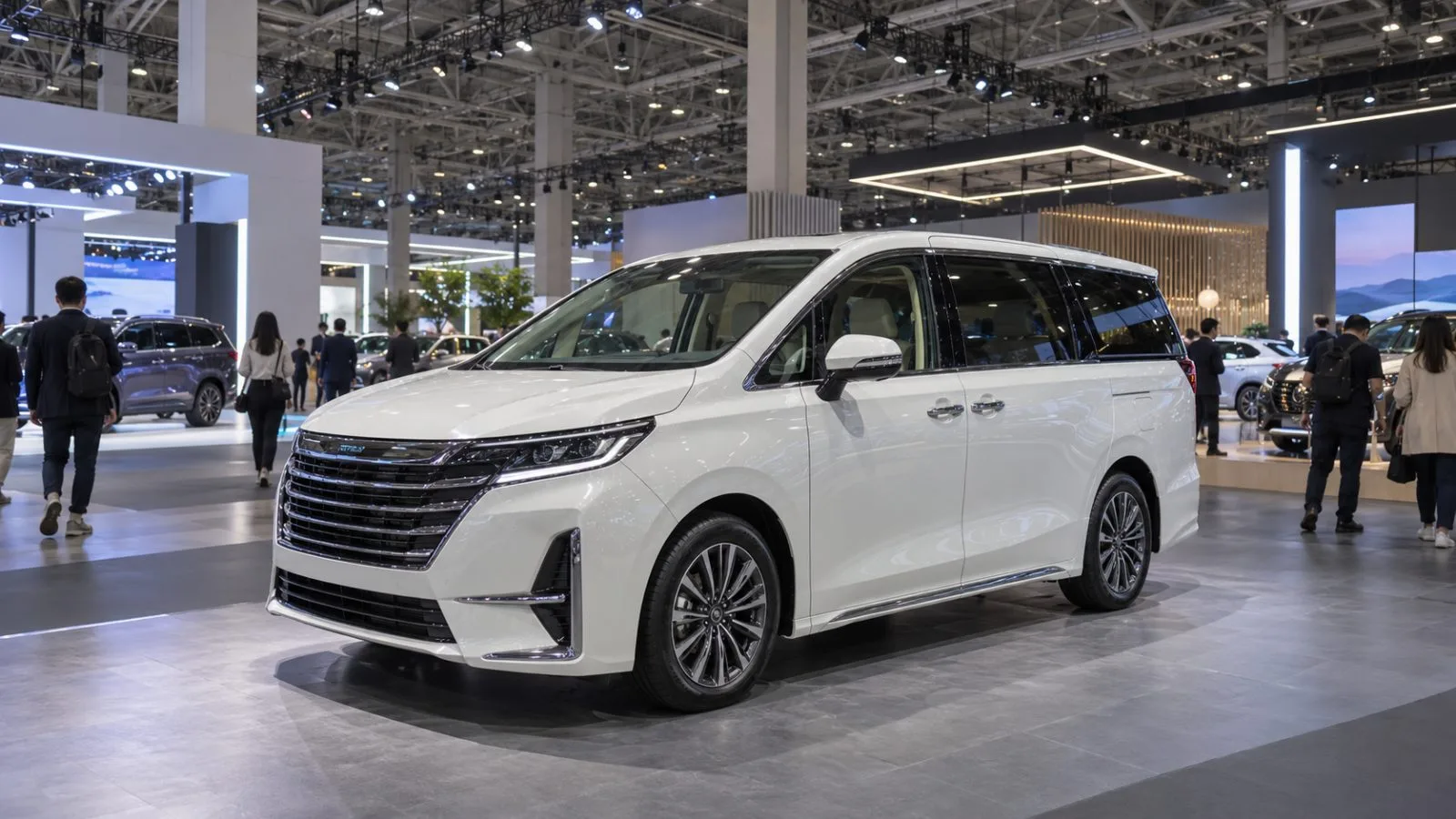
As chairman of the FTI's Automotive Industry Club, Suwat Supakandechakul expects the 12-day Thailand International Motor Expo opening Dec. 2 to show the shift in buyer demand.
The FTI also sees a risk to pickup sales if buyers postpone those purchases and switch to EVs before the tax change. Conventional pickup sales totaled 47,552 units from January through September, 16% below the same period a year earlier, according to the Automotive Industry Club.
The Bangkok Post reported that the Excise Department is preparing a pickup trade-in program offering 40,000 baht per vehicle, with a goal of reaching 150,000 participants. Suwat questioned whether that incentive would be sufficient and called for more flexible financing from the government and pickup manufacturers. The motor expo opens Dec. 2, ahead of the Jan. 1 tax change.