Ho Chi Minh City’s 12 approved or registered projects drew competing investment totals, leaving a $2.8 billion gap in reports on the package announced at the Autumn Economic Forum.
The Government News portal put the total at about $13.58 billion. VnExpress and Công Thương, a newspaper of Vietnam’s Ministry of Industry and Trade, reported about $16.4 billion. The reports do not explain the difference. The amounts refer to approved or registered investments; they do not establish how much has been disbursed.
Công Thương reported investments of about $6.612 billion for the International University Urban Area, $4.923 billion for Can Gio International Transshipment Port and $2.292 billion for Lotte’s Thu Thiem smart complex. Those three figures add up to $13.827 billion, about $247 million above the government portal’s total for the full portfolio.
A separate currency-conversion difference appears in reports on Cai Mep Gemadept–Terminal Link Port. The government portal converted its VND16.8358 trillion investment to $643.1 million, while Công Thương and Tuoi Tre News gave a value of $770 million for the same amount in dong. The sources do not explain the difference.
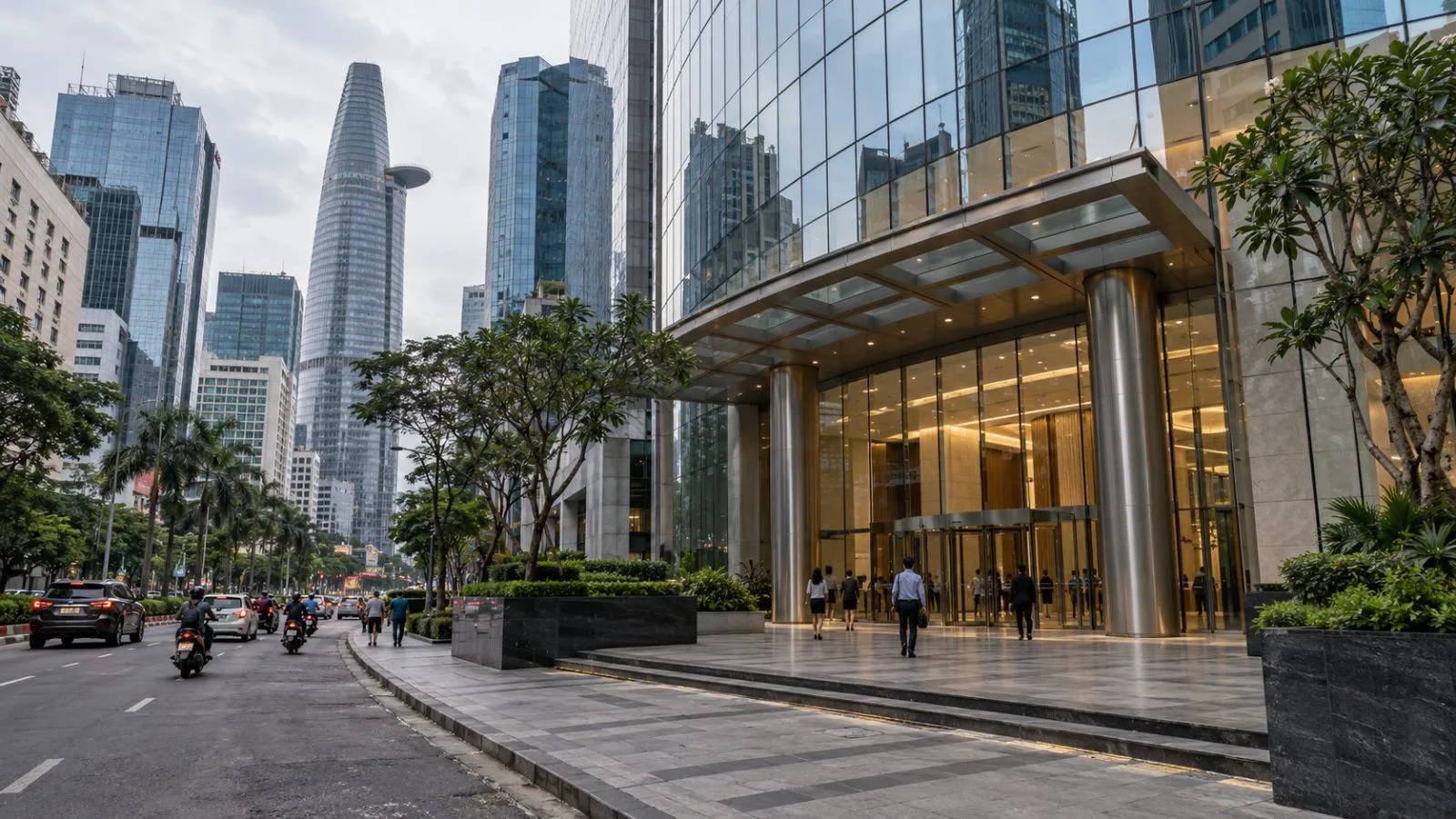
The city announced the 12 projects on Oct. 28. They span ports, logistics, urban development, industrial infrastructure and high-tech manufacturing. The government described the 880-hectare International University Urban Area as a planned mix of education, housing, commercial services, health care, sports and parks.
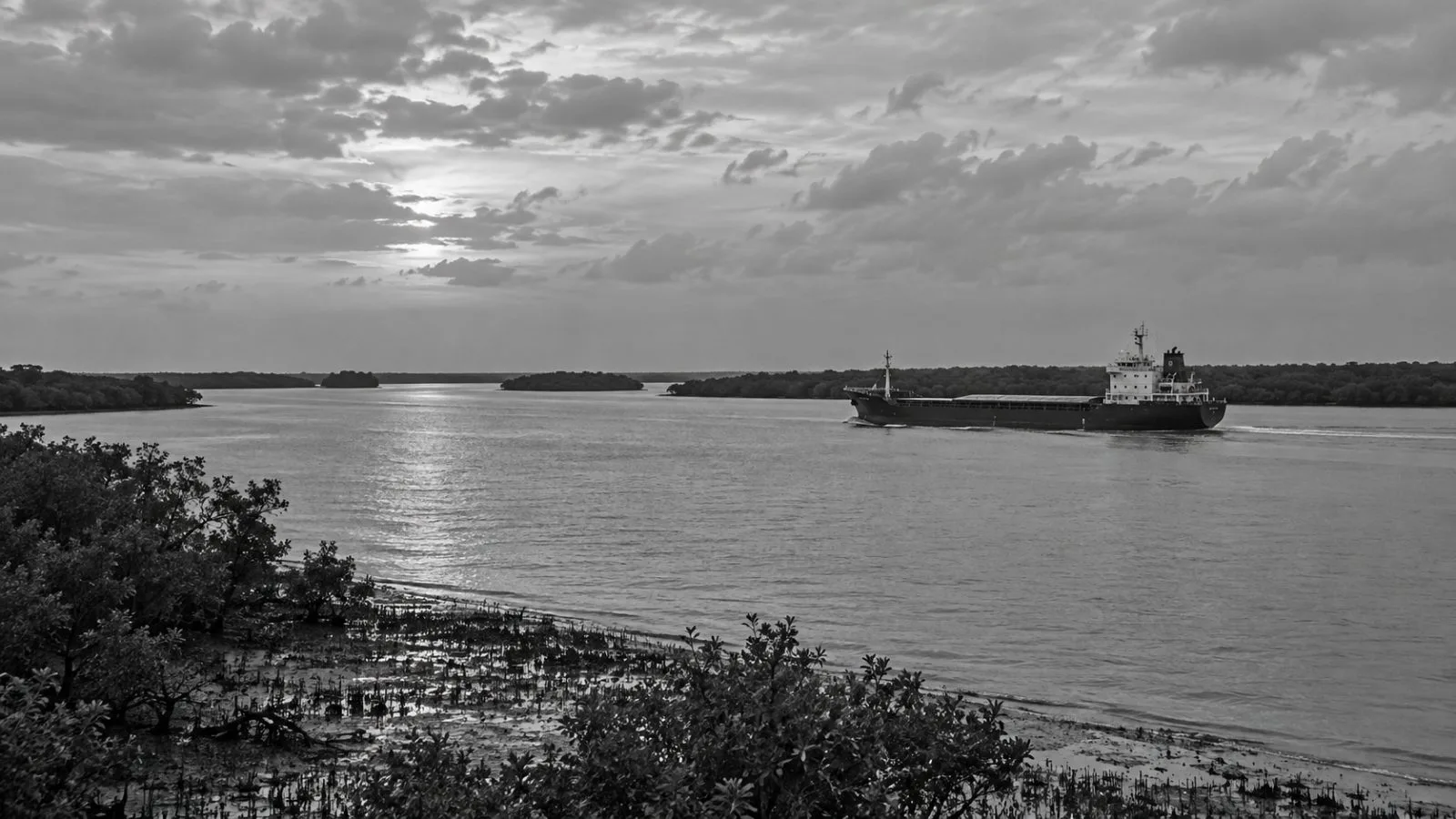
Can Gio port is planned across about 571 hectares. The government named Vietnam Maritime Corporation, Saigon Port and Terminal Investment Limited Holding S.A. as investors, and set capacity targets of 4.8 million TEUs by 2030 and 16.9 million by 2047. The first investment registration certificate was issued Sept. 18, 2026.
The government’s listed milestones include Swift Logistics beginning registered activities in the fourth quarter of 2026 and My Xuan 6 Port reaching planned completion in the fourth quarter of 2028. At least two Can Gio berths are targeted for completion by 2030; the full port project is planned for 2050.