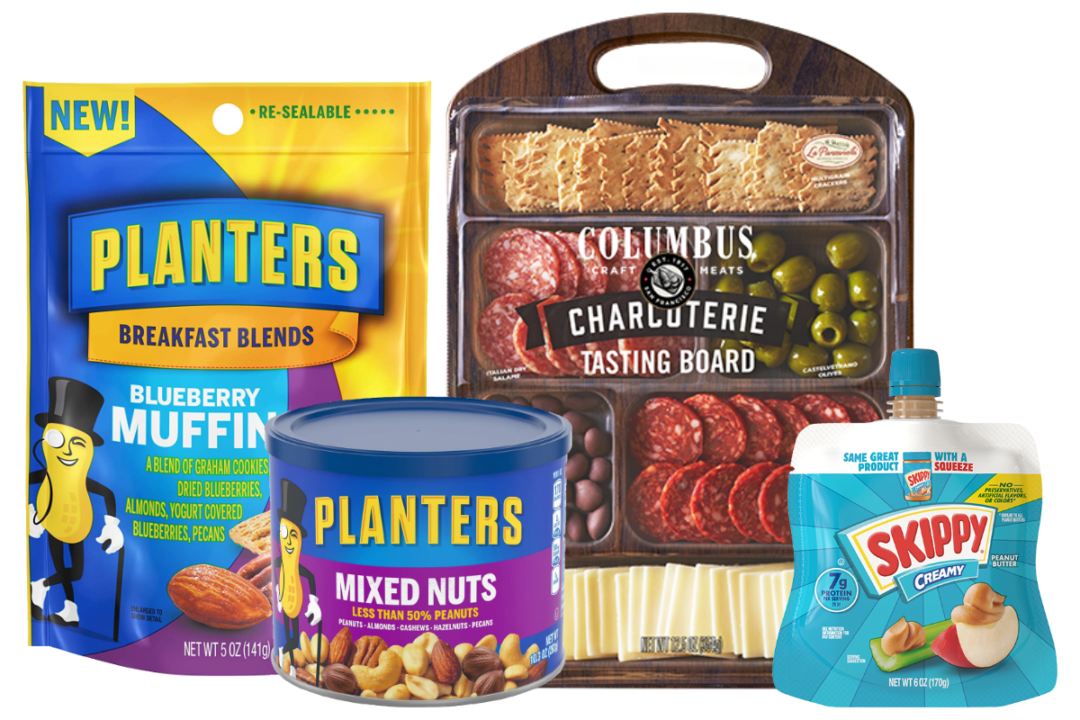
Hormel Foods will reorganize to better reflect changes to its product portfolio and operations after acquiring the Planters peanut business from Kraft Heinz last year.
CEO Jim Snee said the changes were also necessary to handle the addition of the, and other modernization efforts.
The current setup comprises Refrigerated Foods, Grocery, Jennie-O Turkey Store, and International/Other.
Beginning October, Hormel’s internal segments will consist of Retail, Foodservice, International, and Brand Fuel.
Retail would include the most well-known Hormel products, such as Skippy peanut butter and Spam processed ham.
Products geared at restaurants, including pizza toppings, will be handled by Foodservice.
The focus of International will be on sales outside of the United States, with China, Indonesia, and Brazil being special priority markets. Meanwhile, Brand Fuel will provide marketing and consumer insights to Retail.
Financial results will be reported under the new segments starting in the first quarter of fiscal 2023.

Samsung, Qualcomm 2nm Chip Deal Delayed Over Pricing
Disaster or digital spectacle? The dangers of using floods to create social media content
Gold Prices Rebound as Dollar Weakens, Fed Decision Looms
Locked up then locked out: how NZ’s bank rules make life for ex-prisoners even harder
AI is driving down the price of knowledge – universities have to rethink what they offer
UK Economy Grows 0.4% in July, Beating Forecasts
Nvidia Plans 2GW Australia AI Data Center Expansion by 2027
Britain has almost 1 million young people not in work or education – here’s what evidence shows can change that
Treasury Buyback Fails to Cool Long-Term Yields
Boeing, SPEEA Reach Tentative Four-Year Labor Deal
Apple Unveils $1,999 Foldable iPhone Duo
Time to buy local: war fuel price shocks reveal the folly of a long food supply chain
OpenAI Weighs AI Development Slowdown Over Safety Risks
Office design isn’t keeping up with post-COVID work styles - here’s what workers really want
Can your cat recognise you by scent? New study shows it’s likely
Yes, government influences wages – but not just in the way you might think