A proposed U.S. grant program would authorize up to $50 million for silicosis services over five years, creating a potential source of support for clinics serving workers exposed to silica dust.
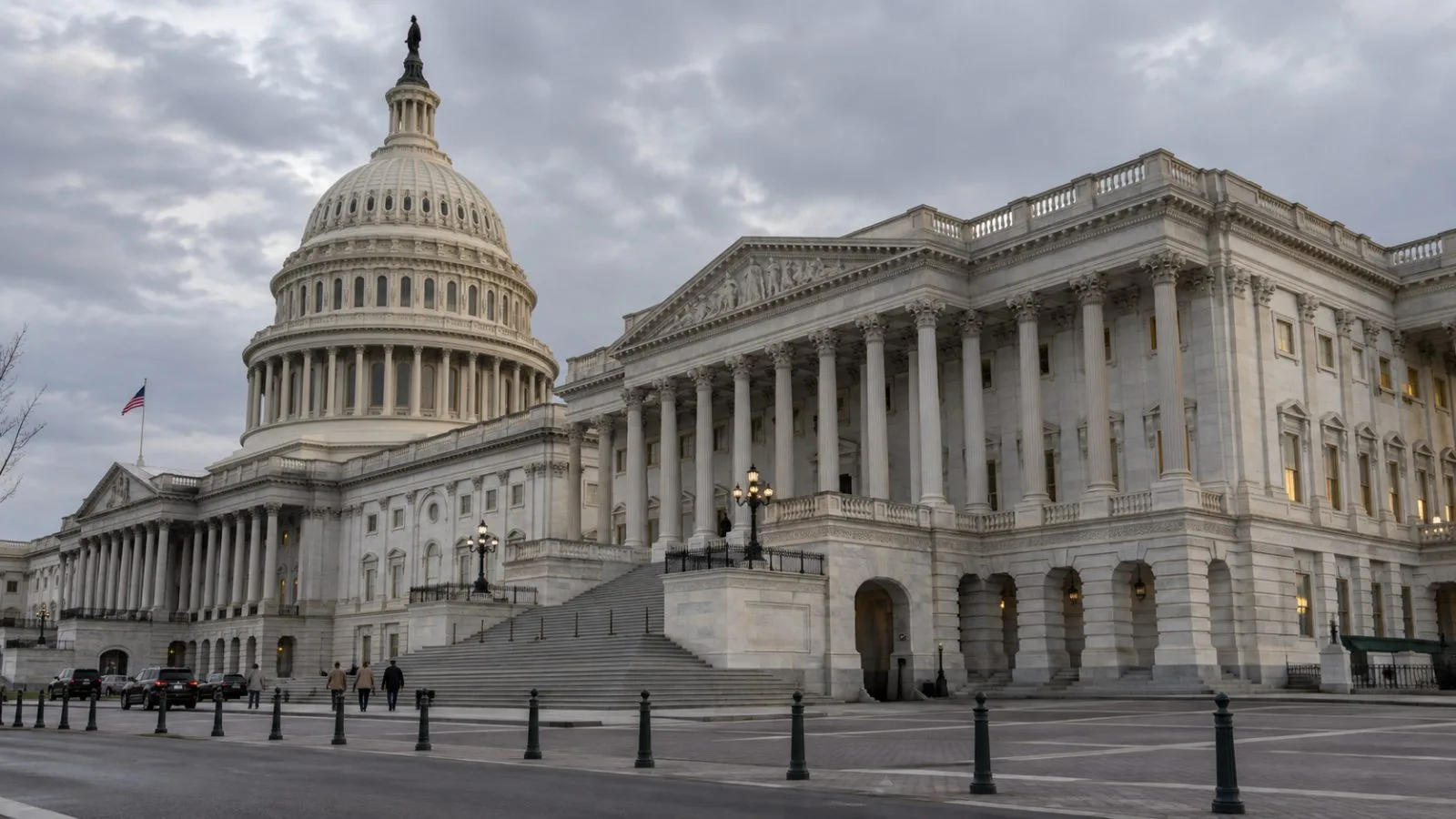
U.S. Reps. Lou Correa of California and Maxine Dexter, M.D., of Oregon, introduced H.R. 10798, the Silicosis Prevention and Treatment Act, on Tuesday, Oct. 13. The House referred the bill to the House Committee on Energy and Commerce.
The legislation would have the Secretary of the Department of Health and Human Services (HHS), acting through the Administrator of the Health Resources and Services Administration (HRSA), award grants through a competitive process. Eligible applicants include federally qualified health centers, hospitals, state and local health departments, and nonprofit health care clinics or providers.
Grant recipients could use the money for outreach, screening, diagnosis and treatment, as well as education for patients, families and workers. The measure also lists benefits counseling, care coordination and pulmonary rehabilitation as eligible activities. It says services should be available without regard to a patient's ability to pay.
Congress would still need to appropriate the funding. The bill authorizes $10 million for each fiscal year from 2027 through 2031; it does not itself provide that money.
Among engineered-stone countertop workers in California, 31 died and 65 underwent lung transplants, according to a California Department of Public Health (CDPH)-authored study published in NEJM Evidence. The researchers' surveillance counted 592 silicosis cases from January 2019 through June 2026. The study also reported ongoing hazardous silica exposure and called for improvements in case identification, surveillance and policy.
CDPH says inhaling respirable crystalline silica dust causes silicosis, an incurable disease that worsens over time and can be fatal. Brayton Purcell LLP said in a Sunday, Oct. 18, release distributed by PR Newswire that it welcomed the proposal. Dexter said in a statement, “A paycheck should never come at the cost of your ability to breathe.”
The bill is before the House Committee on Energy and Commerce, and no hearing date has been confirmed.