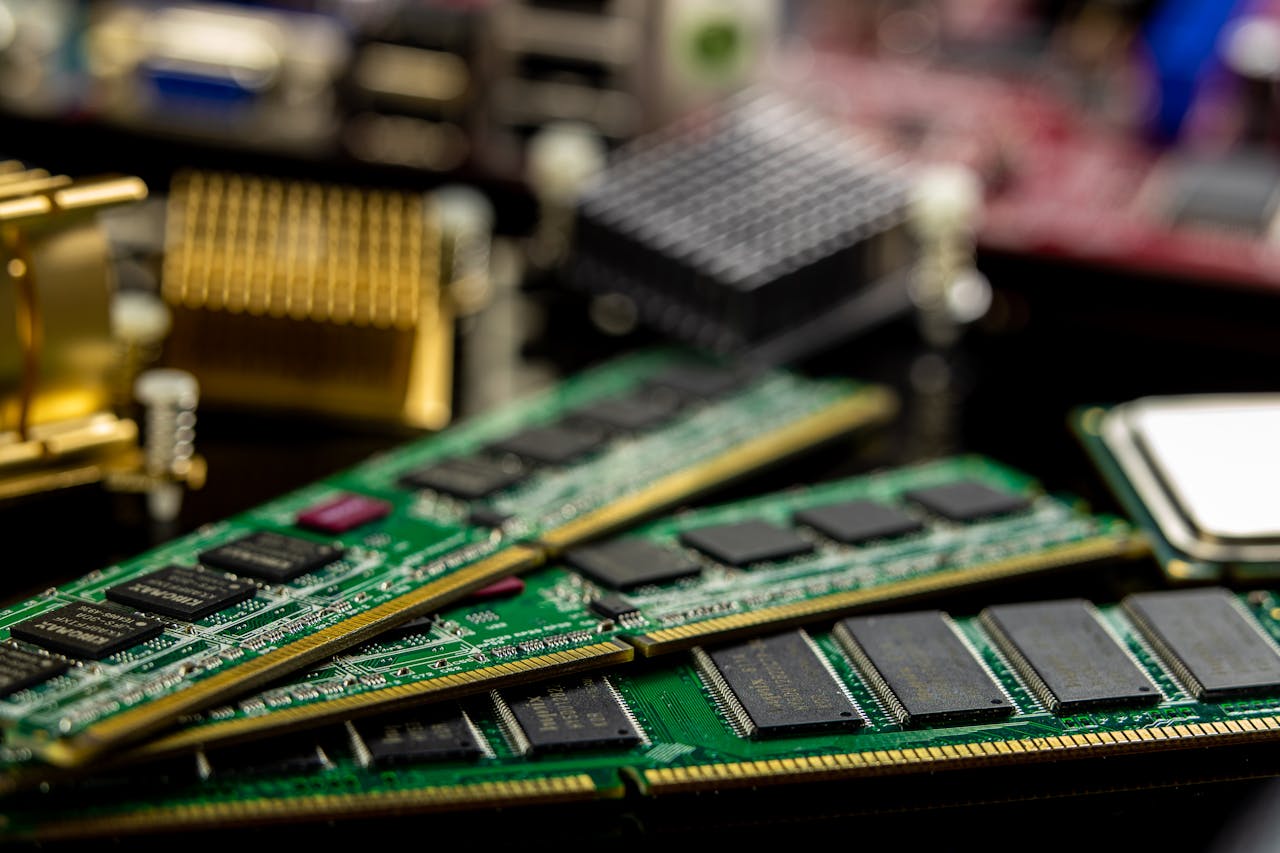
China's Hua Hong Group is closing the gap in advanced semiconductor manufacturing, with its contract chipmaking subsidiary Huali Microelectronics preparing a 7-nanometer chipmaking process at its Shanghai facility. If confirmed, this positions Hua Hong as the second Chinese chipmaker — after industry leader SMIC — capable of producing chips at this technology node, marking a pivotal step in Beijing's push for technological self-reliance.
The development carries significant weight given the ongoing geopolitical tensions surrounding semiconductor access. While Washington recently relaxed certain export restrictions — including allowing Nvidia to sell its second-tier AI chips to China — Beijing continues to incentivize domestic companies to source homegrown chip solutions, reducing dependence on foreign suppliers over the long term.
Chinese tech powerhouse Huawei is reportedly collaborating with Huali on the 7nm process, according to multiple sources familiar with the matter. Additionally, Huawei-backed equipment startup SiCarrier is among the domestic suppliers supporting research and development efforts at Hua Hong's Fab 6 facility in Shanghai, where preliminary testing began last year.
Huali is targeting initial production capacity of several thousand wafers per month before the year ends, with ambitions to scale further. Chinese GPU designer Biren — blacklisted by the U.S. in 2023 and subsequently cut off from TSMC's manufacturing services — is already using Huali's 7nm line for early-stage chip prototyping, underscoring the real-world demand for domestic advanced fabrication.
By comparison, SMIC's existing 7nm production relies on ASML immersion lithography equipment, though analysts note that manufacturing yields remain suboptimal. How Huali achieved its 7nm capability independently, and which equipment partners were involved beyond SiCarrier, has not yet been disclosed.
Hua Hong's Fab 6 currently operates at 22nm and 28nm nodes, making this 7nm development a substantial technological leap for the company and a notable signal of China's accelerating semiconductor ambitions.