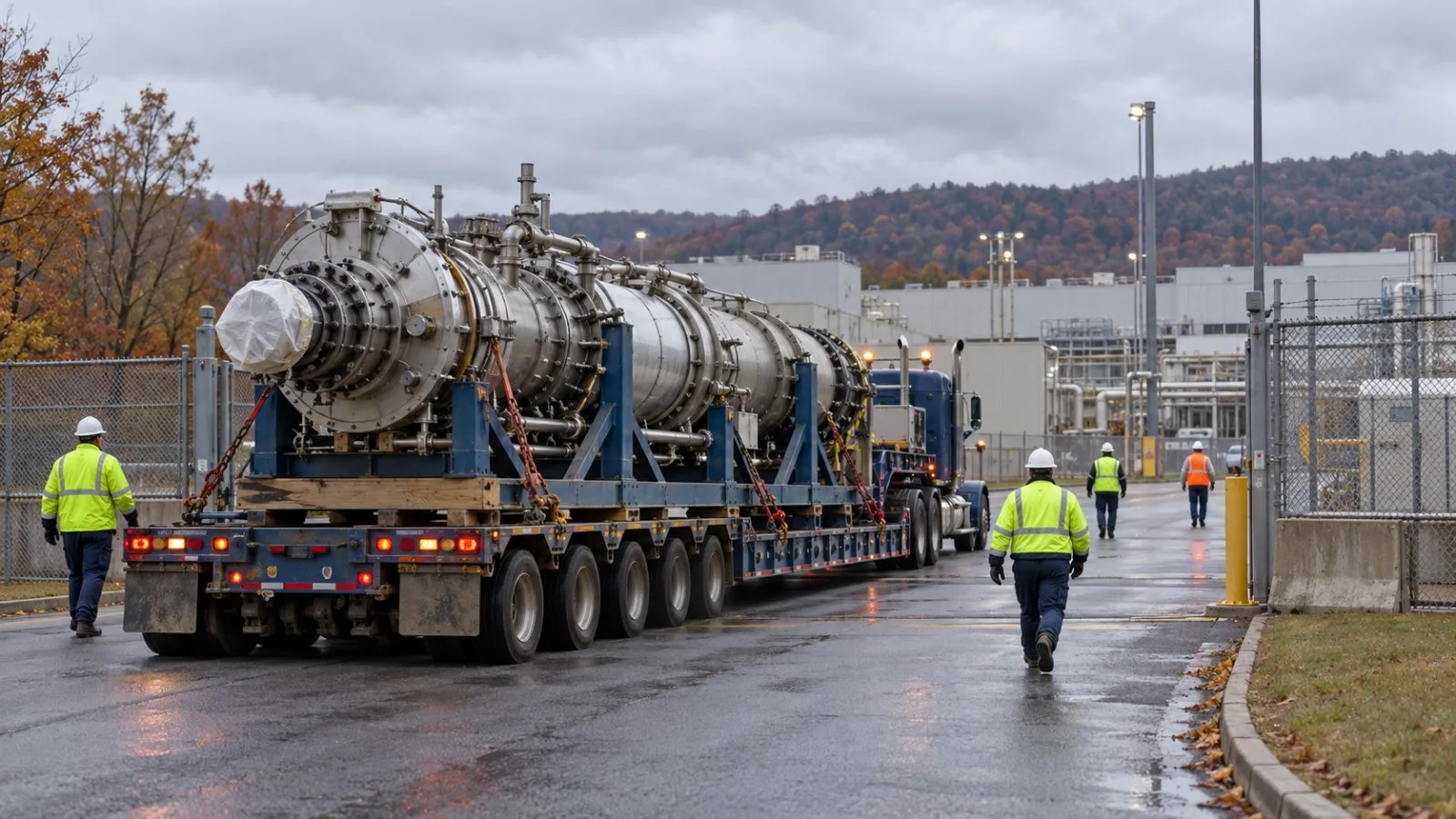
Hungary is moving to give its U.S. civilian nuclear cooperation agreement legal force, preserving a role for American suppliers while Prime Minister Peter Magyar’s government reviews the separate Paks expansion.
The government sent Parliament a bill on the agreement signed in February under Viktor Orban’s government, Reuters reported Thursday. The bill covers civilian nuclear cooperation, including small modular reactors (SMRs), and encourages Hungary to make U.S. nuclear technology and companies its main suppliers for future projects.
Reuters expects lawmakers to approve the measure, citing the government’s two-thirds majority in Parliament. The agency also reported that Washington backed Orban before the April election, which ended his 16-year rule. Advancing the agreement keeps U.S. suppliers in the framework for future projects covered by it.
A 2025 partnership with Poland’s Synthos Green Energy is another part of Hungary’s small-reactor effort, Reuters reported. The company holds Central European rights to GE Vernova Hitachi’s SMR technology. Reuters also reported a separate agreement in November 2025 for Hungary to buy U.S. nuclear fuel and spent-fuel storage technology for a Russian-built nuclear plant.
Reuters reported that Foreign Minister Anita Orban, who is unrelated to Viktor Orban, was scheduled to meet U.S. Secretary of State Marco Rubio in Washington Thursday and sign memorandums on energy and law enforcement cooperation.
The Magyar government is reviewing the Paks expansion, consulting alternative suppliers and weighing whether to replace Rosatom as the main contractor, Reuters reported. The agency said the government is expected to determine the project’s future later in 2026 or early in 2027.