


 Elon Musk Donates $366 Million to 2026 US Midterms
  Asian Stocks Plunge as AI Chip Selloff Hits South Korea and Japan
  Gold Prices Rebound as Dollar Weakens Ahead of US Inflation Data
  Oil Prices Fall as Russia Signals Higher Diesel Exports
  Oil Prices Surge Above $106 After Deadly Saudi Airport Attack
  IMF Maintains 2027 Global Growth Forecast at 3.4% Amid Rising Risks
  European Stocks Rise as Oil Prices Fall Ahead of US CPI
  Samsung, SK Hynix Shares Plunge as China Chip Competition Grows
  Nasdaq Faces Pullback to 26,225 Despite Bullish Outlook, UBS Says
  Airbus Tests Valkyrie Combat Drone in Europe for Eurofighter Integration
  Coinbase CEO Backs SEC Accredited Investor Reform
  Trump Secures Russian Diesel Deal as US Fuel Prices Surge
  Moonshot AI Executives Seek Settlement Ahead of Hong Kong IPO
  UK Finance Minister Healey Calls for Fiscal Discipline Amid Global Risks
  Bumble Shares Surge 50% on $1 Billion Buyout Talks
  Philippines Current Account Deficit Seen at $19.1 Billion in 2026


 Add as a preferred source on Google
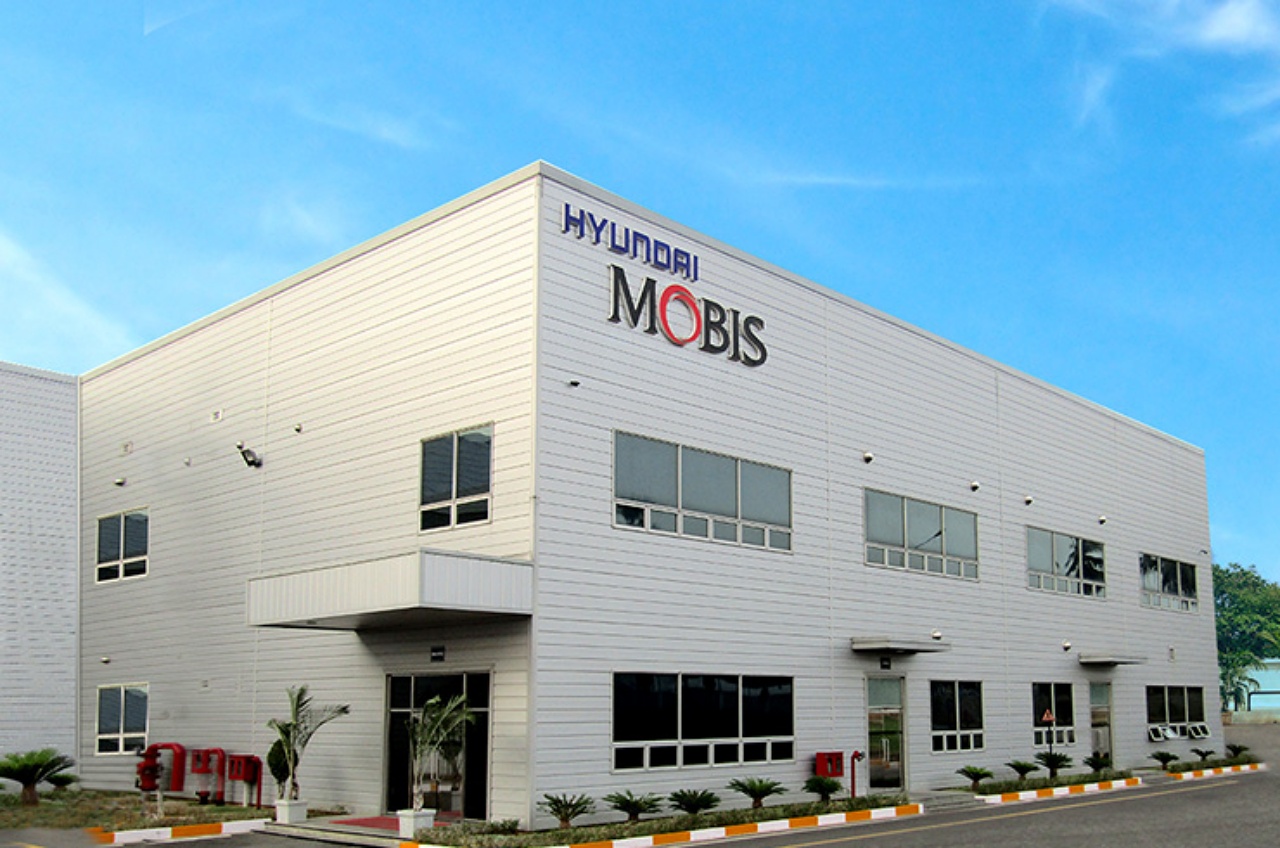
Hyundai Mobis has developed something that can be considered a necessity today. It has unveiled its new technology that can purify and sterilize the air in vehicles.
As per Aju Business Daily, Hyundai Mobis created this technology in response to the latest trend that put heightened importance on hygiene due to the COVID-19 pandemic. The auto parts unit of the Hyundai group made a built-in air sterilization system that will directly purify the air inside the vehicle.
The new technology is different from the air condition filters that only filter pollutants. It is also not a separate machine that is simply placed inside an enclosed space. Hyundai Mobis made the built-in system using ultraviolet rays (UV), and its main task is to remove the bacteria present in mechanical devices and an air duct.
The system also uses antibacterial materials to eradicate the harmful free-living organisms in the air. Its UV photocatalytic sterilization process makes use of hydroxyl radicals that are produced when a UV light emitting diode (LED) is illuminated by a photocatalytic filter. In turn, the hydroxyl radicals will be activated and attack vital cell components in bacteria then the surface structures of viruses are oxidized to make the air safer to breathe.
It was further explained that the new air sterilization system in cars draws in the air in the vehicle and discharges it into clean air via UV photocatalytic sterilization. Car owners can mount the system in spaces inside the vehicle dashboards, and it will sterilize the air without a problem even if the air conditioning system is working.
Choi Jae Seob, Hyundai Mobis head of interior and module design sector, said in a statement that was released late last week, "We are incorporating various ideas to provide a pleasant and safe travel experience for passengers."
Meanwhile, testing carried out by the Korea Conformity Laboratories (KCL), a state-run agency, showed that the air sterilization system in Hyundai Mobis’ new technology has truly lowered the concentration of yellow staphylococcus that are floating in the air. Based on the test, the agency confirmed a decrease of 99.9%.







