


 Asian Stocks Rise as Nasdaq Record Offsets Bond Yield Pressure
  Oil Prices Rise as Hormuz Attacks Fuel Supply Fears
  Gold Prices Rise as Dollar Weakens, Treasury Yields Ease
  Flavio Bolsonaro, Lula Head to Brazil Election Runoff
  Japan Real Wages Rise 1.5%, Supporting BOJ Rate Hikes
  Trump Offers US Help to Russia After Plague Lab Worker Dies
  Samsung, SK Hynix Shares Fall Ahead of Q3 Earnings
  Iran Tanker Attacks Surge as Hormuz Oil Flows Near Prewar Levels
  Zelenskiy Warns Russia Is Preparing Massive Attack on Ukraine
  China Shuts 670 Banks as Bitcoin Eyes Financial Risks
  Trump Gaza Peace Plan Stalls as Israel Retains Control
  Cuba Says US Contacts Continue but Formal Talks Remain Stalled
  France Student Protests Intensify Nationwide
  Gold Prices Slip as Strong Dollar and High Treasury Yields Weigh
  Ethiopia-Tigray Fighting Intensifies as Airstrikes Kill 17
  US DOT Ends Airline Privacy Review Without Enforcement
  Rapidus Seeks Chip Customers as Japan Pushes 2nm Semiconductor Revival


 Add as a preferred source on Google
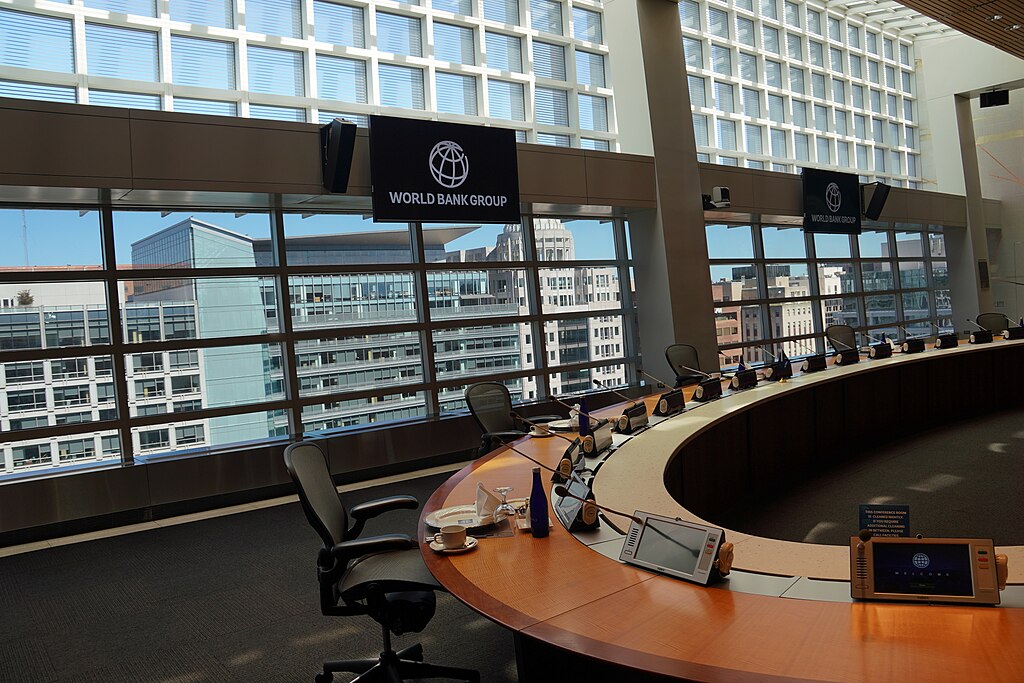
Twenty-seven countries have moved to unlock emergency financing from existing World Bank programs following the economic shock caused by the ongoing Iran conflict, according to an internal document reviewed by Reuters. The rapid escalation highlights growing concerns among developing economies over energy disruptions, inflation, and supply chain instability.
The confidential memorandum did not identify the countries involved or reveal the total amount of funding being requested. However, it stated that three nations have already finalized and approved new contingent financing instruments since the conflict began on February 28, while another 24 countries are still completing administrative procedures.
The Iran war has significantly disrupted global energy markets and interrupted fertilizer shipments critical to many developing nations. As a result, countries heavily dependent on fuel imports and agricultural supplies are facing mounting economic pressure.
Kenya and Iraq are among the countries publicly confirming efforts to secure fast financial assistance from the World Bank. Kenya is struggling with rising fuel costs that are driving domestic inflation, while Iraq is dealing with falling oil revenues caused by export disruptions linked to regional maritime instability.
The 27 countries are part of a larger group of 101 nations that already have access to the World Bank’s pre-arranged emergency financing mechanisms. Among these tools is the Rapid Response Option, which allows governments to quickly redirect up to 10% of undisbursed funds from existing World Bank projects during times of crisis.
World Bank President Ajay Banga recently stated that the institution’s revamped crisis response framework could provide between $20 billion and $25 billion in rapid financing through contingent credit lines and emergency facilities. He also noted that the bank could potentially redirect up to $60 billion from its wider lending portfolio within six months.
Meanwhile, IMF Managing Director Kristalina Georgieva previously estimated that up to a dozen countries might seek emergency aid ranging from $20 billion to $50 billion. However, sources familiar with the matter said few formal IMF requests have been submitted so far, as many governments prefer World Bank financing due to the IMF’s stricter fiscal reform requirements.







