


 Orsted to Take Full Ownership of UK Offshore Wind Farm for £15 Million
  Albertsons Seeks $9.3 Billion From Kroger Over Failed Merger
  Apple Supplier Luxshare Sees Limited Impact From US Patent Probe
  Elon Musk Eyes Semiconductor Manufacturing Expansion With $15 Billion Terrafab Project
  Hong Kong’s Second Solana ETF Launches With Lower Fees
  Arthur Hayes Announces FLOP Testnet Launch Within Weeks
  INWIT Shareholders Explore $7.1 Billion Take-Private Deal
  Russia Approves Sberbank for Crypto Exchange Services
  Meta Launches Muse Wonder AI Models, Shares Rise 3.7%
  TSMC Q3 Revenue Beats Estimates as AI Chip Demand Surges
  TSMC Profit Set to Surge 65% as AI Chip Demand Drives Record Earnings
  Apple Names Steve Smith M&A Chief in Leadership Shakeup
  Robinhood Chain Eyes Priority Gas Auctions for Faster Trades
  OpenAI Annualized Revenue Hits $50 Billion, Below Earlier Estimates
  Ethereum Foundation-Linked Wallets Move $11.13M in ETH to Kraken
  Amazon Cuts More Jobs as AI Investment Expands
  Yandex Data Center Hit by Drone Strike as Russia-Ukraine Cyber Infrastructure Attacks Escalate


 Add as a preferred source on Google
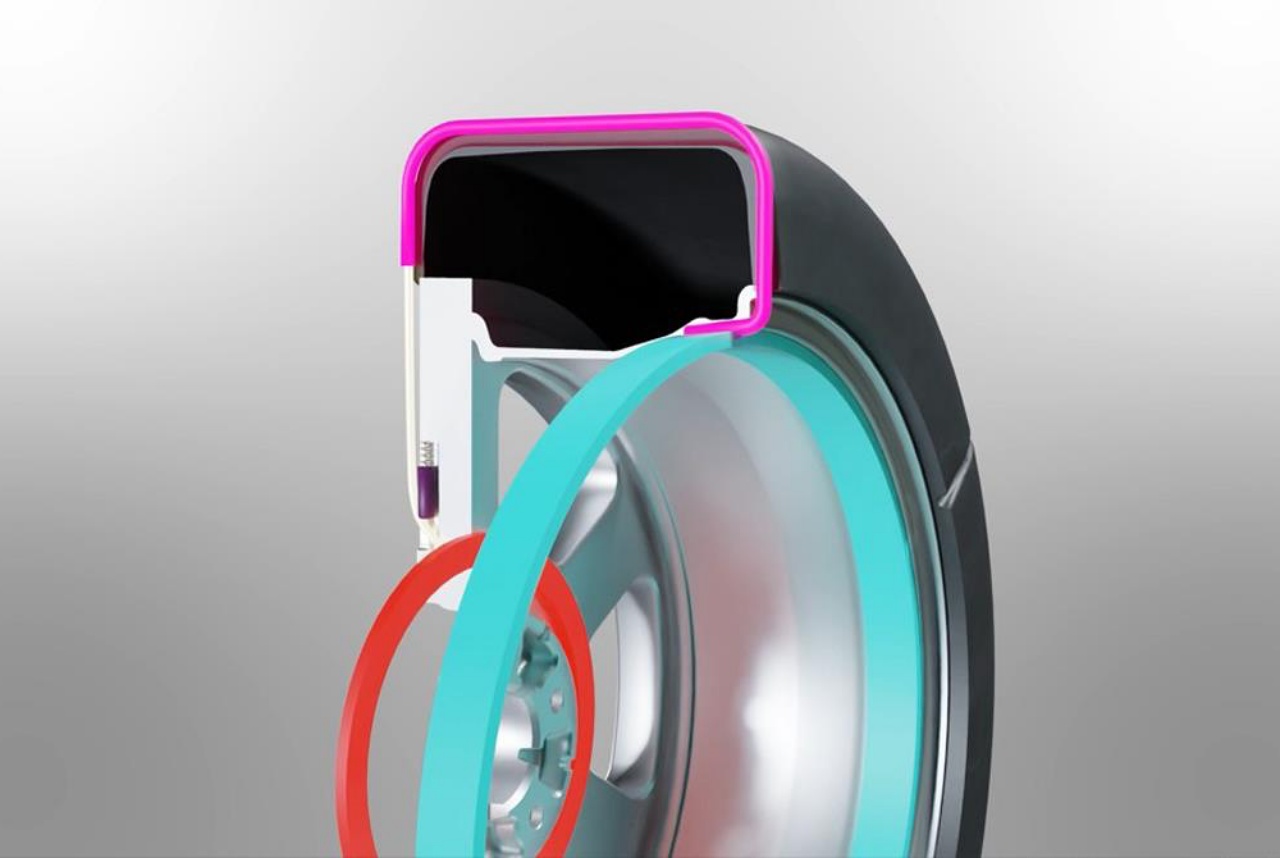
Hyundai Motor Company and Kia announced they have developed a special tire designed for roads during the winter season. They created the snow chain-integrated tire technology to boost safety while driving through slippery winter roads.
For their new tire innovation, Hyundai Motor and Kia said they used shape memory alloy modules that are integrated inside the wheel and the tire.
How the Snow Chain-Integrated Technology Works
The new tire innovation consists of a wheel and tire assemblage that features radial grooves at regular gap spaces. Inserted between these channels are modules made of shape memory alloy.
According to Korea Joongang Daily, once the driver presses the button, the modules will immediately jut out and will serve as a "snow chain." In normal driving conditions, the shape memory alloy inside the wheel is squeezed into the letter "L" shape and does not touch the surface of the road.
But when the driver deploys or activates the function, the shape memory alloy will form into a "J" letter shape and push the module out of the tire so it can touch the road's surface. This will enhance the tire's grip and stability, making the drive through the snow or icy road safer for drivers.
Having these snow chain-integrated tires developed by Hyundai Motor and Kia gets rid of the inconvenience of putting the snow chains on the tires every time the road is slippery or has snow on it.
"This innovation, which will hopefully be introduced on Hyundai and Kia vehicles someday, reflects our commitment to turning advanced technologies into real-world solutions that benefit customers," Hyundai Motor's head of Advanced Chassis Development Team, Park Joon Mo, said in a press release. "We will continue to develop technologies that enhance the safety and convenience of our vehicles and bring value to our customers."
Patent for the New Winter Tire Technology
Meanwhile, as this is a new creation, Hyundai Motor and Kia have applied for patents for the innovative snow tire technology. The companies filed their patent application in both South Korea.
The automakers are set to discuss the mass production of this new product after further technical development and tests to check its durability and overall performance. Regulatory reviews are also needed before Kia and Hyundai can proceed with the manufacturing in large quantities.
Photo by: Kia Media Center







