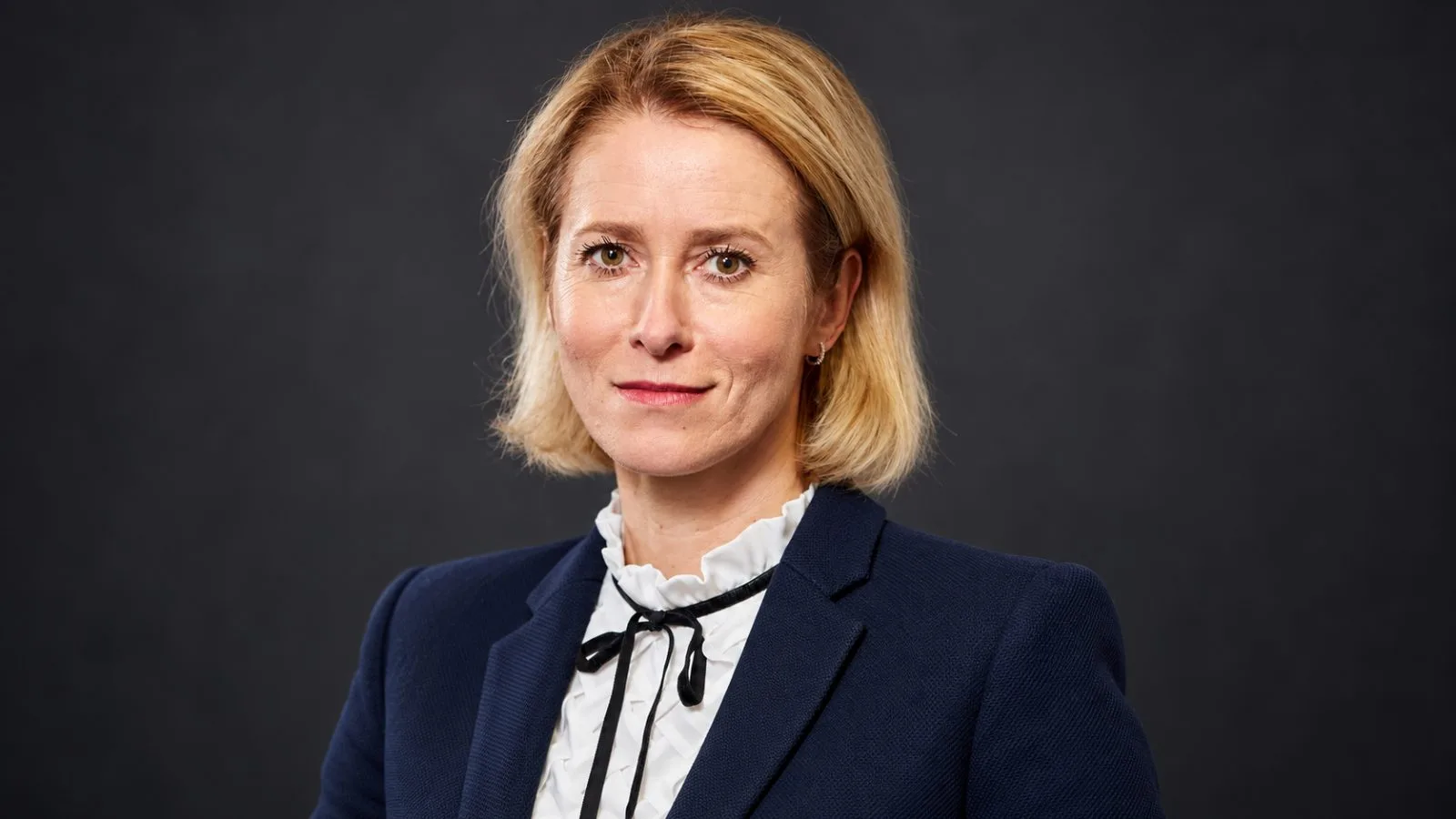
International Criminal Court Judge Kimberly Prost said pressure on the Court would not end international criminal justice, as U.S. sanctions put the institution’s work and personnel under scrutiny in Washington.
The American Branch of the International Law Association listed Prost as a virtual plenary speaker at its International Law Weekend, themed “[R]evolution in the International Legal Order.” She delivered her keynote Oct. 24. Just Security published a transcript of her remarks Nov. 19; the event program also confirmed her appearance.
The U.S. government added the ICC to the Treasury Department’s Specially Designated Nationals and Blocked Persons List on Oct. 9, according to a State Department notice in the Federal Register. The notice says property and interests in property under U.S. jurisdiction were blocked under Executive Order 14203. It cites alleged efforts by the Court to investigate, arrest, detain or prosecute a “protected person” without consent from that person’s country of nationality.
Prost said the period would bring change and losses but not the overthrow of the rules-based system. “I strictly choose the latter,” she said, referring to evolution rather than revolution. She urged supporters to explain the Court’s role to wider audiences and challenge what she called false narratives, particularly in the United States.
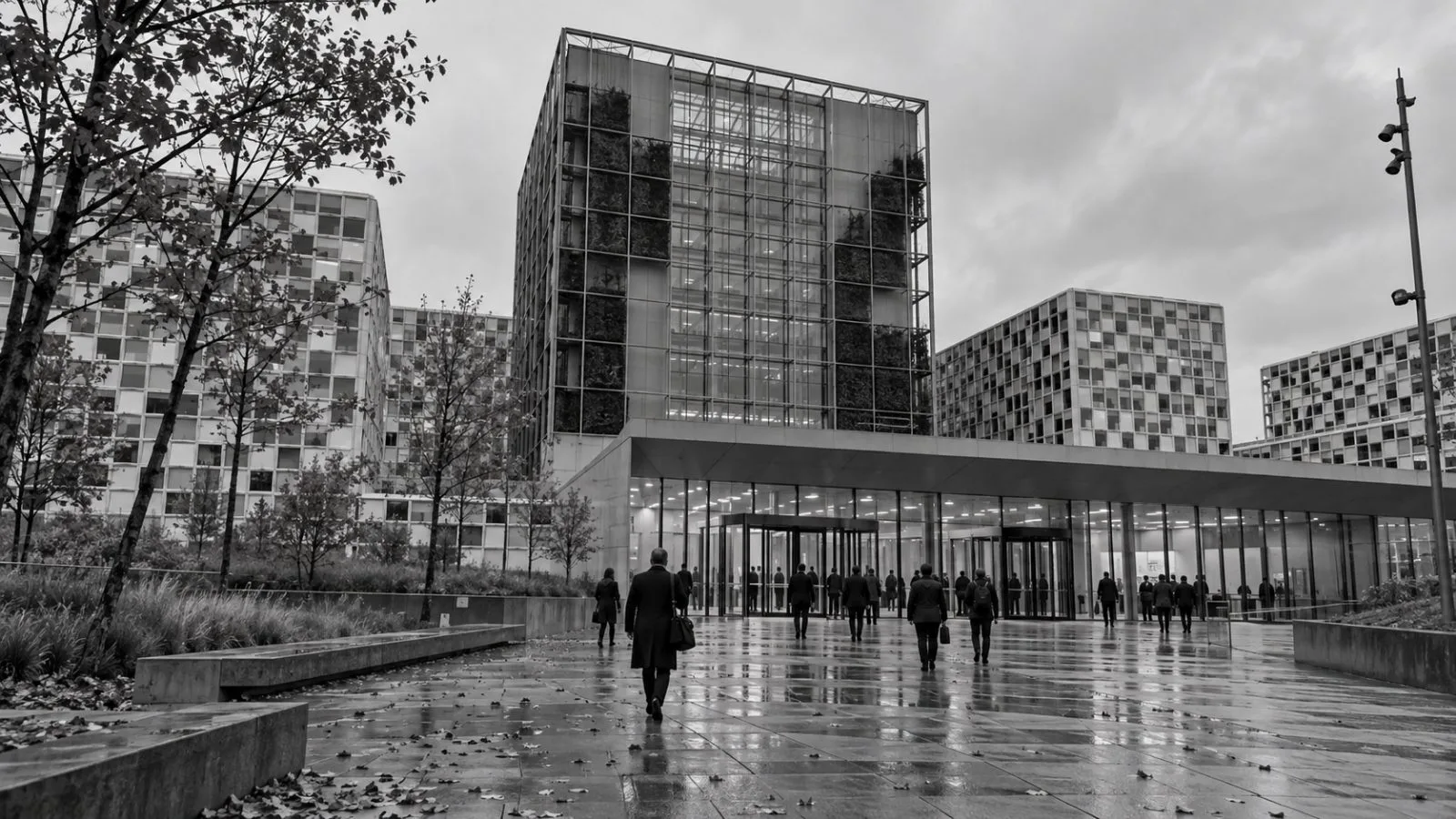
The ICC is a treaty-based court in The Hague. Its Rome Statute was adopted in 1998 and took effect four years later. Prost recalled that a permanent international criminal court was not established alongside post-World War II institutions such as the United Nations and the International Court of Justice. The statute had 125 state parties when ICC President Judge Tomoko Akane addressed the U.N. General Assembly on Nov. 2.
Akane said the Court would continue its mandate independently and impartially, and had taken steps to protect its operations and personnel. Nine of the ICC’s 18 judges were under sanctions at the time of her address.