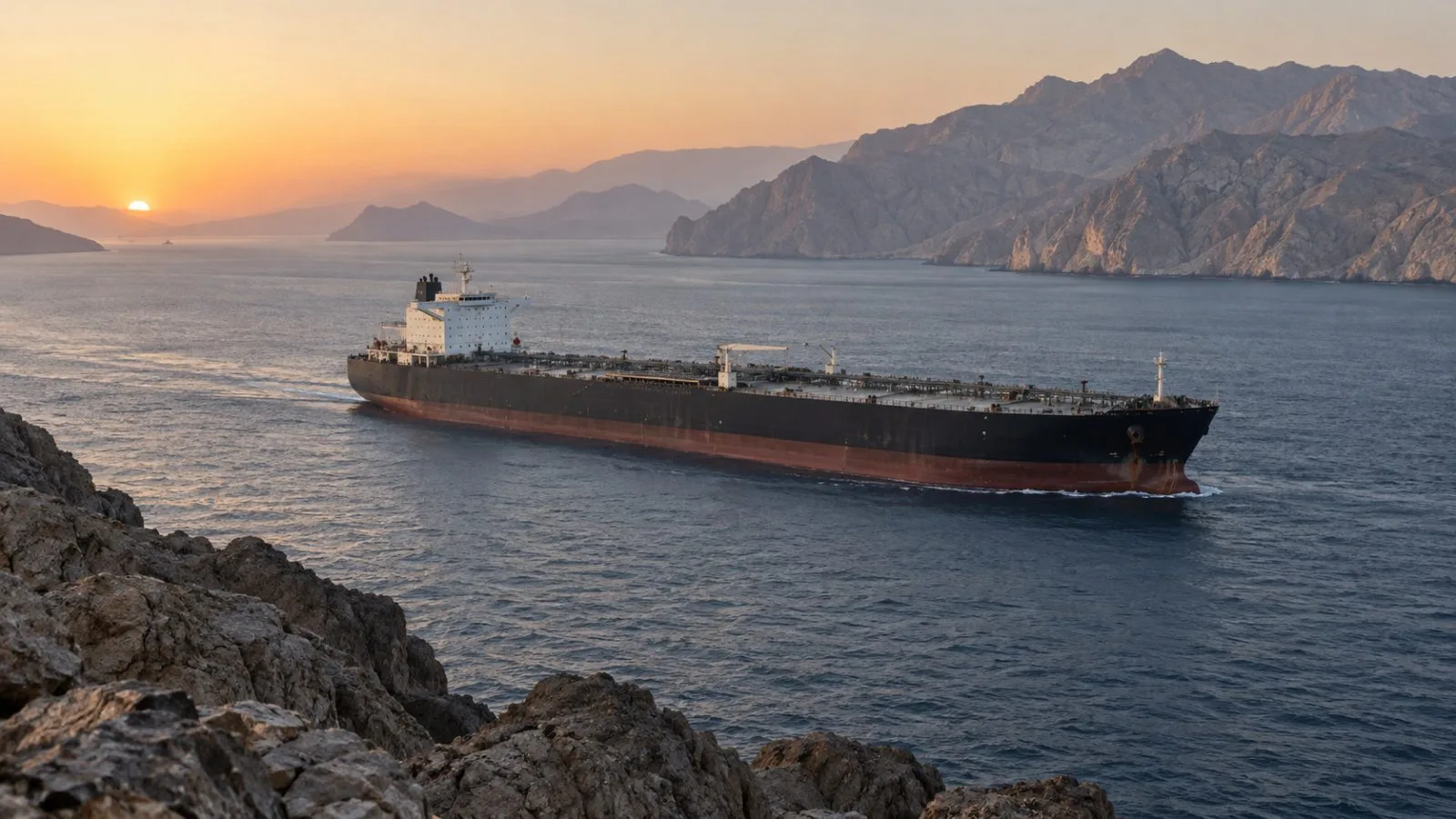
The International Energy Agency (IEA) forecasts LNG supply to fall 3% in 2026 if Strait of Hormuz flows remain largely disrupted, with new export projects offering a longer-term rather than immediate offset.
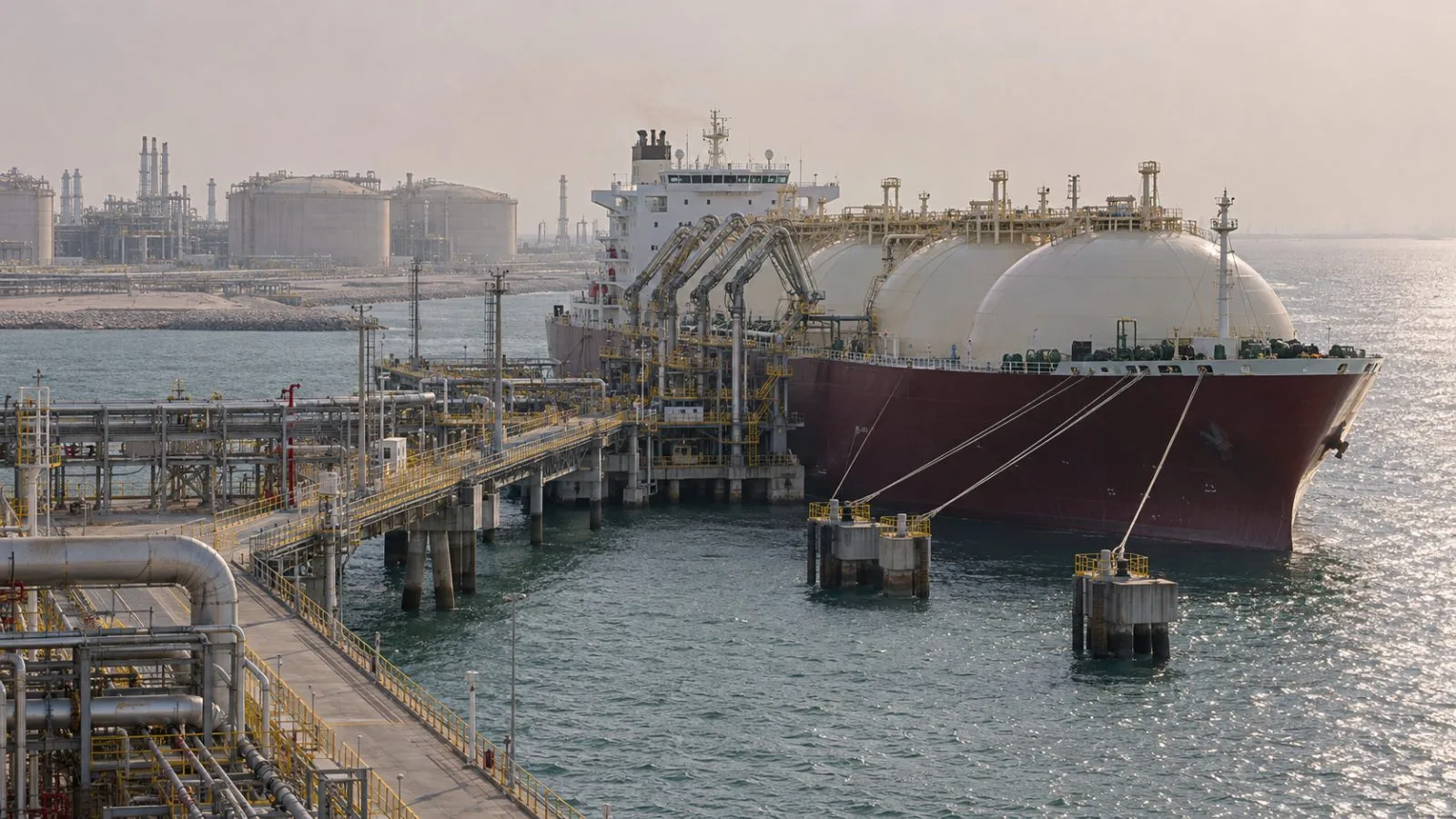
Its capacity tracker, updated Oct. 1, counts projects that had secured final investment decisions and entered construction by the start of 2025. Together, they represent more than 330 billion cubic meters per year of planned export capacity for 2025-30, which the IEA calls its largest buildout yet. The figures measure capacity rather than guaranteed production or deliveries, and the agency warns that delays or geopolitical events may alter the timeline.
The tracker puts 2028 at the peak, with about 90 bcm in annual additions, versus roughly 30 bcm in 2025. Additions are then expected to shrink in 2029 and 2030.
The IEA’s 2026 review shows the near-term strain. Between March and October, LNG loadings from Qatar and the United Arab Emirates were more than 60 bcm below the same period a year earlier. Producers outside the Gulf added over 40 bcm, a 14% gain that replaced roughly two-thirds of the lost Gulf volume; worldwide LNG production still slipped by about 20 bcm, or 6%. For 2026 as a whole, the agency forecasts a 3% contraction, close to 20 bcm, if Strait of Hormuz traffic stays largely disrupted through year-end.
Buyers responded by shifting origins. Asian importers drew twice as much LNG from Atlantic Basin suppliers in March-October as in the comparable period last year, mainly from the United States, the IEA said. It said buyers making short-term purchases and sensitive to price still competed for cargoes. European TTF prices averaged nearly $20 per million British thermal units (MBtu) in those months, while Asian spot LNG averaged $21.50 per MBtu; both were higher year over year, by almost 70% in Europe and 80% in Asia. The agency said elevated prices contributed to some Asian users switching from gas to coal, and reported reduced gas use in energy- and gas-intensive industries.
The review also said destination-flexible contracts have become more common, particularly for U.S.-sourced LNG. Gas-indexed and hybrid agreements made up 45% of LNG contracts in 2025, up from about 30% in 2016.
Gas Strategies Chairman and Chief Executive Pat Breen argued in a Nov. 7 opinion piece published by The National that companies need to coordinate supply plans with transport, storage and financing. Breen wrote that a cargo can be “available without being financeable.”
Qatar’s North Field East expansion is listed by the IEA at 43.5 bcm a year, or 32 million metric tons annually. March attacks disrupted construction at Ras Laffan, the agency said. It now places the first train’s start-up in the first half of 2027 or later, against an end-2026 target; the length of the delay remains uncertain.