An International Energy Agency (IEA) scenario puts liquefied petroleum gas (LPG) at more than 60% of new clean-cooking access in Africa by 2040, while imports meet half of sub-Saharan Africa’s LPG demand.
The IEA’s Accelerating Clean Cooking and Electricity Services Scenario models about 80 million people gaining clean-cooking access each year. LPG takes the largest modeled share; electricity provides 17%, bioethanol and biogas 11%, and advanced biomass cookstoves 10%. The mix describes the people reached in the scenario, not a forecast of total fuel sales.
Around 1 billion people in sub-Saharan Africa lack access to clean cooking, the IEA estimates. The agency links the shortfall to 815,000 premature deaths annually across Africa. It estimates that reaching universal access would require $37 billion through 2040, with about a quarter directed to supply infrastructure such as storage, bottling and distribution.
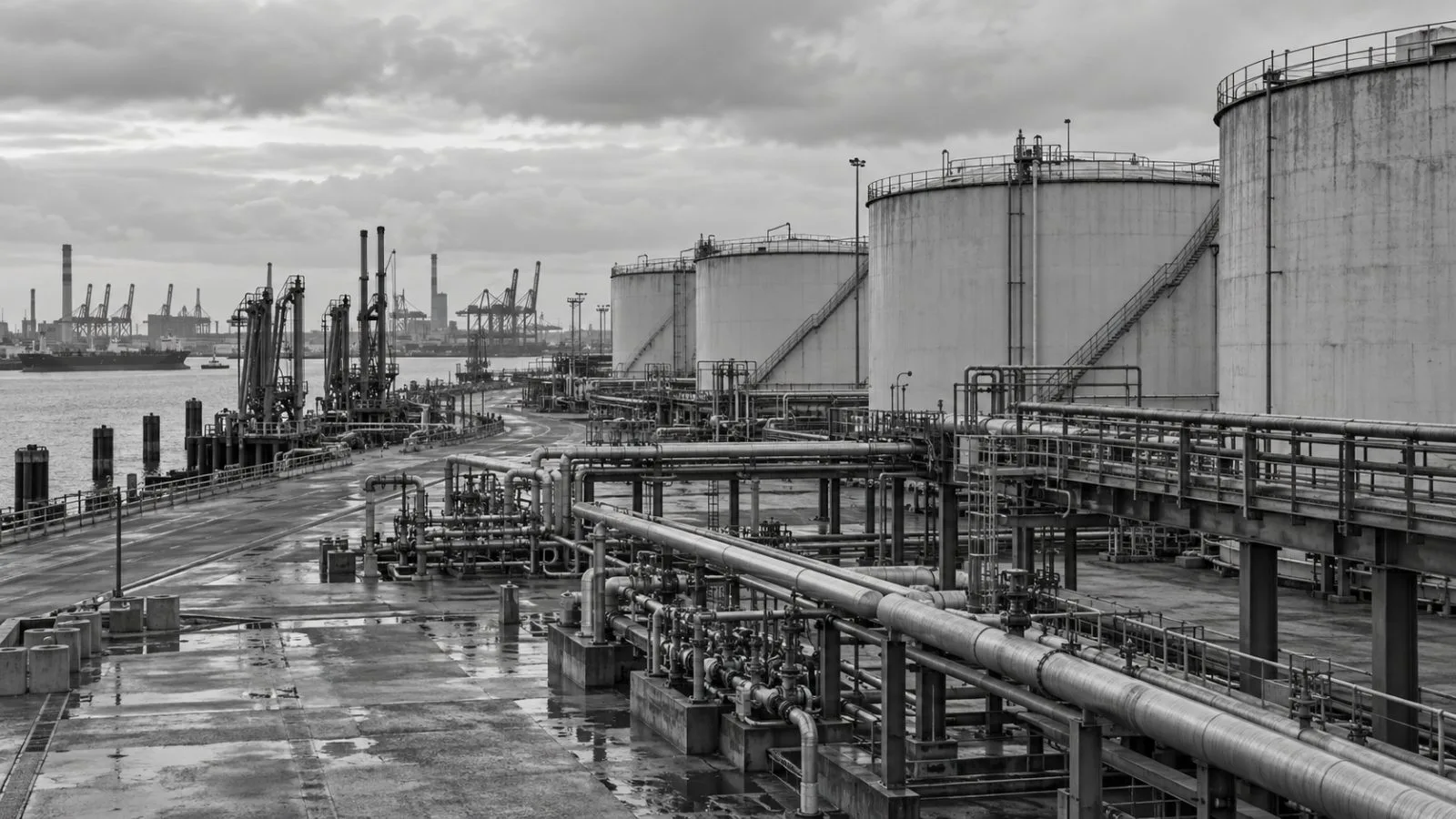
In an Oct. 31 commentary for BusinessDay, Anibor O. Kragha, executive secretary of the African Refiners and Distributors Association (ARDA), described LPG infrastructure as a potential growth area for Africa’s downstream energy business. The IEA also says the region needs more storage, improved port facilities, bottling capacity and specialized transport vehicles.
Affordability remains a barrier. The IEA estimates that nearly two-thirds of people in sub-Saharan Africa would have to spend more than 10% of their income to adopt clean-cooking options. In March 2026, LPG import prices in East Africa reached a peak 90% above their 2025 average; West Africa’s peak was 70% higher. The agency said West Africa’s increase came from global market effects rather than insufficient local supply. It also said the price shock raised household fuel bills and strained governments and state-owned companies that absorbed some of the increases.
The IEA projects 460,000 new permanent jobs in the clean-cooking sector by 2040, mainly in distribution, retail and equipment maintenance. It says fuelwood and charcoal sellers may need support to move into clean-cooking distribution.
Petredec says its planned terminal in Tanga, Tanzania, is designed to store 40,000 cubic meters of LPG in its first phase and handle very large gas carriers. Tanzania’s deputy prime minister and energy minister Doto Mashaka Biteko called the added import capacity “an important step” for the country’s expansion plans, according to the company. Petredec is targeting completion by the end of 2027.