


 S&P 500 Futures Rise Ahead of US Inflation Data and Bank Earnings
  Kim Jong Un Showcases ICBM Ahead of Possible Trump Meeting
  S&P 500 Rally Masks Losses for Over 40% of Stocks in 2026
  SpaceX Starlink Restrictions Disrupt Ukraine Military Operations
  European Stocks Rise as Oil Prices Fall Ahead of US CPI
  Trump Denies China, Russia Are Helping Iran in War
  Elon Musk Donates $366 Million to 2026 US Midterms
  Oil Prices Surge Above $106 After Deadly Saudi Airport Attack
  Trump Defends Russian Diesel Deal Amid US Sanctions Backlash
  China Warns Taiwan Over South China Sea Coast Guard Incident
  MI5 Warns of Rising Iran, Russia Threats and AI Bioweapon Risks
  NATO Commander Warns Russia of Devastating Response to Attack
  US Condemns China Sanctions on Taiwan Allies Belize and Paraguay
  Most Americans Oppose Election Betting on Prediction Markets, Poll Finds
  China Bank Lending Rebounds in September, Beats Forecasts
  Trump Plans White House Shake-Up of Key AI Safety Agency
  Greenland Lawmakers Back Trump Security Deal Despite Economic Concerns


 Add as a preferred source on Google
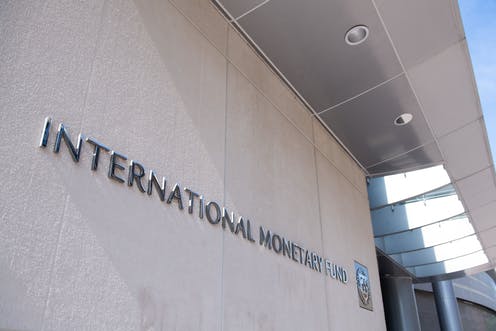
The International Monetary Fund (IMF) has warned that the United States cannot rely solely on economic growth to reduce its mounting national debt, urging Washington to introduce fiscal adjustments. Meanwhile, China must strengthen domestic consumption to reduce its dependence on exports and address global trade imbalances.
Speaking Wednesday at the IMF and World Bank annual meetings in Bangkok, IMF Managing Director Kristalina Georgieva called for stronger economic reforms across major economies as rising borrowing costs and government debt threaten global financial stability.
Georgieva identified the United States and European economies as major contributors to excessive public debt. She emphasized that higher bond yields are also placing additional financial pressure on developing countries.
Although US Treasury Secretary Scott Bessent recognizes the need to address America's growing fiscal deficit, Georgieva said Washington's strategy remains heavily dependent on economic expansion.
The IMF believes stronger growth can support debt reduction but cannot deliver the necessary improvements quickly enough without additional tax or spending measures.
The warning follows the IMF's latest Fiscal Monitor report, which highlighted the growing urgency of fiscal consolidation amid elevated interest rates and borrowing costs.
Rodrigo Valdes, director of the IMF's Fiscal Affairs Department, said rising government bond yields have significantly reduced policymakers' flexibility, making fiscal reforms increasingly urgent.
Bessent is absent from the Bangkok meetings despite the United States holding this year's Group of 20 presidency. His absence comes as President Donald Trump's administration focuses on domestic economic priorities ahead of the US midterm elections.
Attention has also turned toward China's export-driven economy, with recent trade figures indicating the country is approaching a record trade surplus.
Georgieva urged Beijing to stimulate household spending and transition toward consumption-led economic growth. She also recommended greater savings in deficit economies and increased competitiveness investments across Europe.
Beyond major economies, the IMF chief called for stronger international financial assistance to vulnerable countries facing rising debt-servicing costs.
She urged member nations to fully support the IMF's Poverty Reduction and Growth Trust and Catastrophe Containment and Relief Trust, which provide concessional financing and debt relief.
According to Georgieva, debt-service payments among vulnerable economies have climbed to an average of 14% of government revenue, compared with 6% a decade earlier.
She warned that widening economic disparities, including unequal benefits from artificial intelligence investment, could further disadvantage poorer nations unless governments strengthen financial support and implement sustainable fiscal policies.







