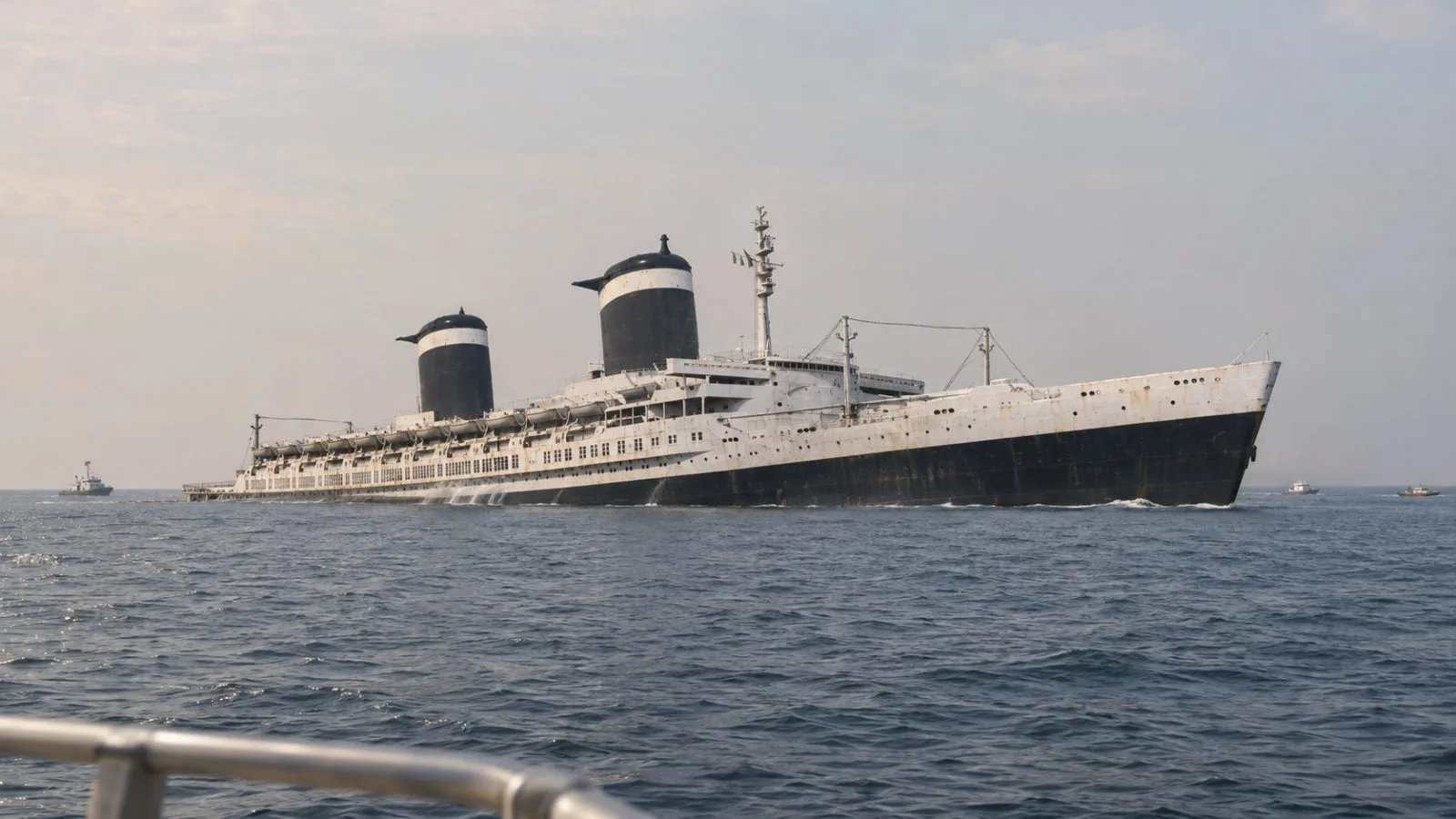
Okaloosa County sank the SS United States off Florida on Nov. 11, turning a retired ocean liner into a dive site intended to support marine life and tourism with a $13 million county allocation.
The 990-foot vessel lies about 22 nautical miles off Destin-Fort Walton Beach. Okaloosa County and the Florida Fish and Wildlife Conservation Commission describe it as the world’s largest artificial reef. The county puts the seabed at approximately 180 feet deep and the ship’s highest deck about 60 feet below the surface.
Initial checks using sonar and a remotely operated vehicle suggested the liner landed upright. The county said Nov. 12 that the safety zone had been lifted, allowing divers to visit.
County commissioners allocated $13 million to buy, tow and prepare the ship and to support a planned museum on land. Okaloosa County says taxes on short-term stays and contributions from partners fund the project. It expects the reef to support fishing, diving and local tourism, though those benefits have yet to be measured.
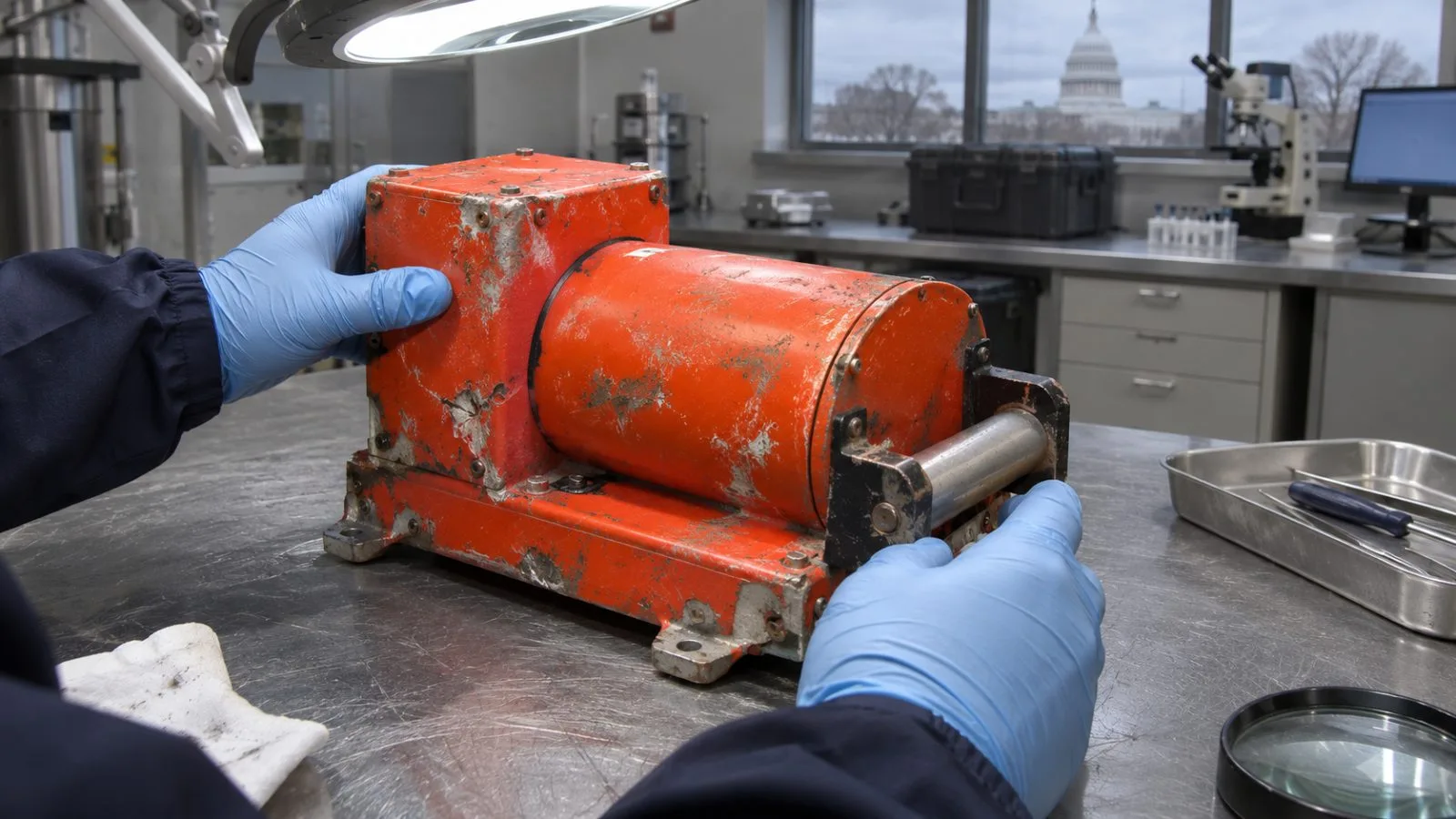
Before the sinking, crews emptied and cleaned 128 tanks that had held fuel or lubricants, according to the Destin-Fort Walton Beach tourism authority. They also collected more than 200 material samples during the cleanup.
A 1952 Atlantic crossing gave the ship a speed record; its passenger service ended in 1969. The SS United States Conservancy later faced a court-ordered deadline to remove it from a Philadelphia pier. It chose the reef and museum plan over scrapping the vessel.
The former USS Oriskany, sunk as a reef off Pensacola in 2006, provides a regional precedent. Whether the SS United States develops into the habitat envisioned by the county is a question researchers will study over time.
Woods Hole Oceanographic Institution plans to track water chemistry, microbes and marine life around the vessel. Its researchers intend to sample water at 132 locations, establish an initial baseline within the first month after the sinking and return annually to measure changes.