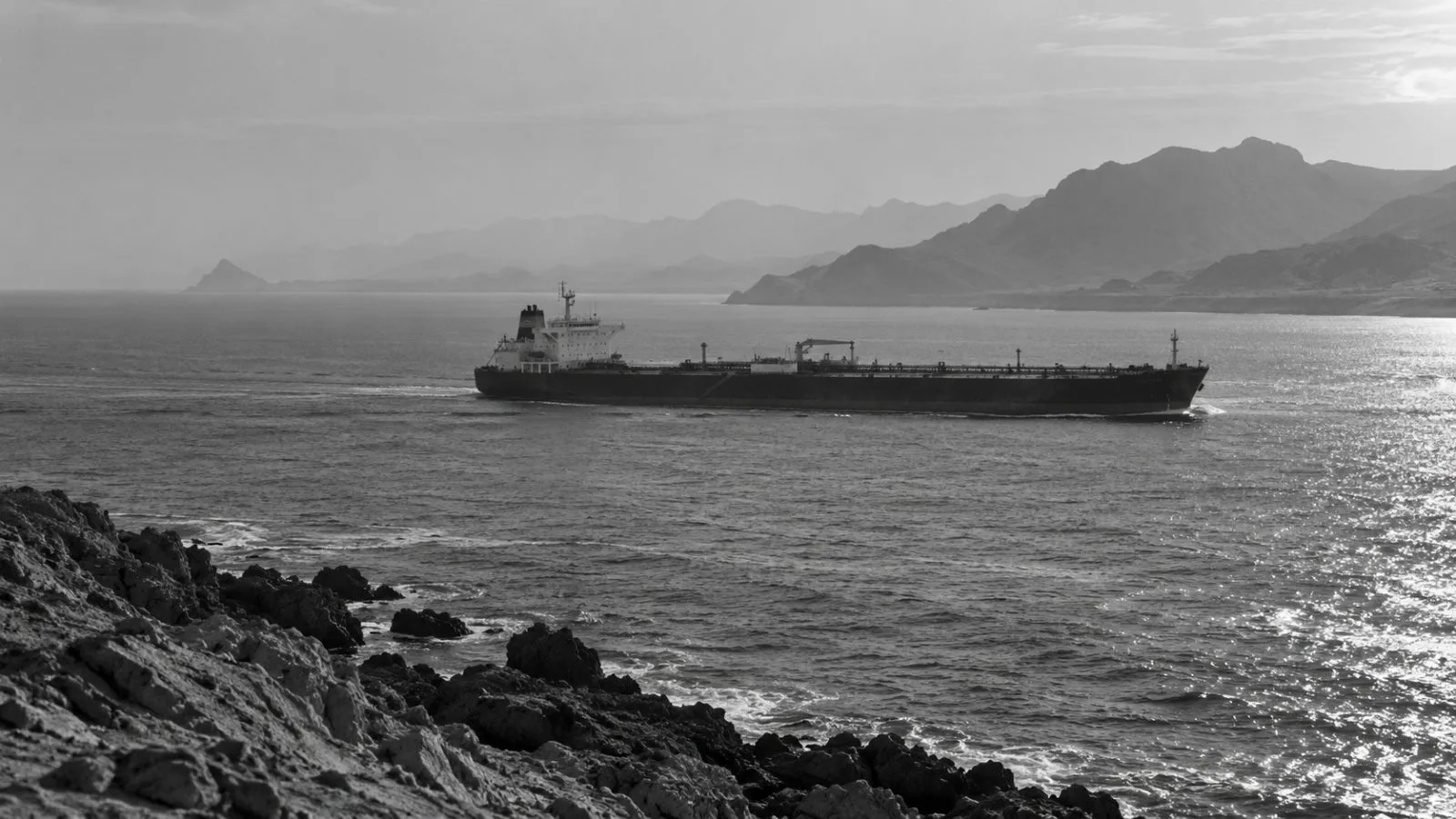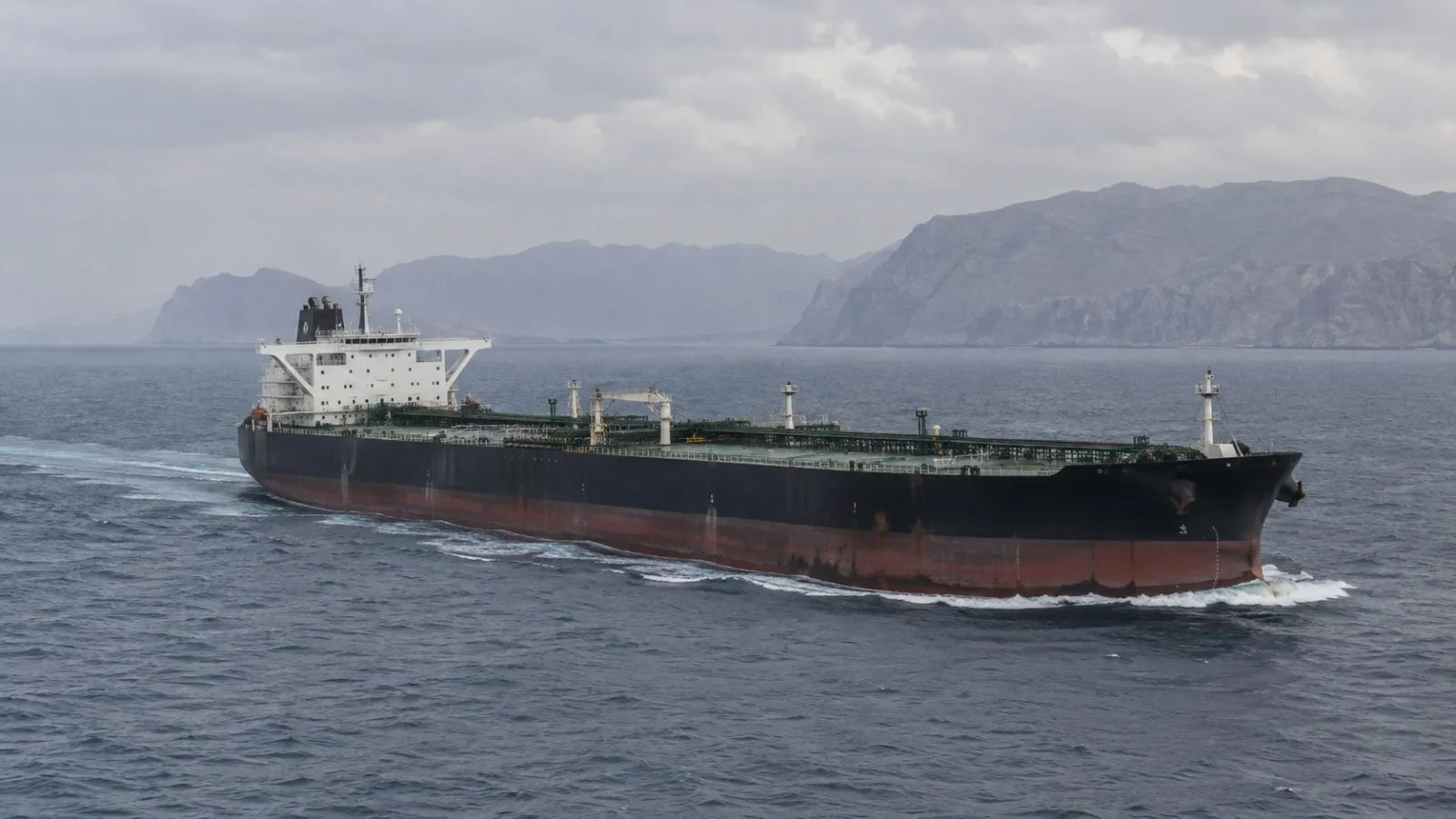
The International Maritime Organization (IMO) listed 125 confirmed commercial-ship incidents across three Gulf waterways as of Nov. 2, but reporting gaps leave the actual number of attacks unknown.
The register covers the Persian Gulf, Strait of Hormuz and Gulf of Oman, and shows 24 seafarer fatalities. Its figure counts incidents, not necessarily distinct ships, and includes cases outside the strait.
The United Kingdom Maritime Trade Operations (UKMTO) center recorded 12 attacks in the latest reporting week covered by its Oct. 16 overview, which tracked activity through Oct. 14. Ten were in the Strait of Hormuz, one in the Arabian Gulf and one in the Gulf of Oman.
UKMTO said a large share of vessels it learned had been attacked did not file reports with the center. It also left out some accounts received through other channels when it could not verify them. The overview did not estimate how many incidents were missing from UKMTO’s count.
The IMO says it checks incident information with flag states, coastal states and verified third-party sources. The two records therefore reflect different reporting processes, while neither establishes the full number of attacks.
Seatrade Maritime reported that Washington Institute analyst Noam Raydan tallied at least 34 attacks attributed to Iran during October, including at least 19 involving crude-oil tankers. The figure is Raydan’s assessment as reported by the outlet, not an October total on the IMO register. Raydan also told Seatrade Maritime that she viewed Iran’s campaign as an effort to slow shipping’s recovery and keep disruption going.
In an Aug. 28 statement, the IMO said as many as 400 ships, with about 6,000 seafarers aboard, were unable to leave the Persian Gulf safely after the conflict began Feb. 28. The agency warned that interruptions to fuel, fertilizer and other cargo supplies could affect communities and economies far beyond the region. EconoTimes previously covered Strait of Hormuz traffic recovery and insurance risks.
The IMO Council’s 138th session is scheduled for Nov. 2-6 in London, with protection of vital shipping lanes, including Hormuz, on the agenda.