An Institute for Security Studies (ISS) analysis published Nov. 2 says Congolese refugees face pressure from conflict, reduced humanitarian support and tighter movement controls in host countries, as regional displacement remains widespread.
The United Nations High Commissioner for Refugees (UNHCR) estimated that neighboring countries hosted about 1.3 million refugees and asylum-seekers from the Democratic Republic of the Congo (DRC) by the end of August 2026. The agency said armed clashes and rights violations continued to drive displacement and protection concerns.
Funding gaps are limiting aid. UNHCR said it had received 20% of the $35 million needed for lifesaving assistance in Burundi in 2026. The International Rescue Committee (IRC) reported in January that only 6% of required funding for Uganda’s 2026 response had been secured. It also said health services had closed across 11 settlements, affecting refugees and local communities.
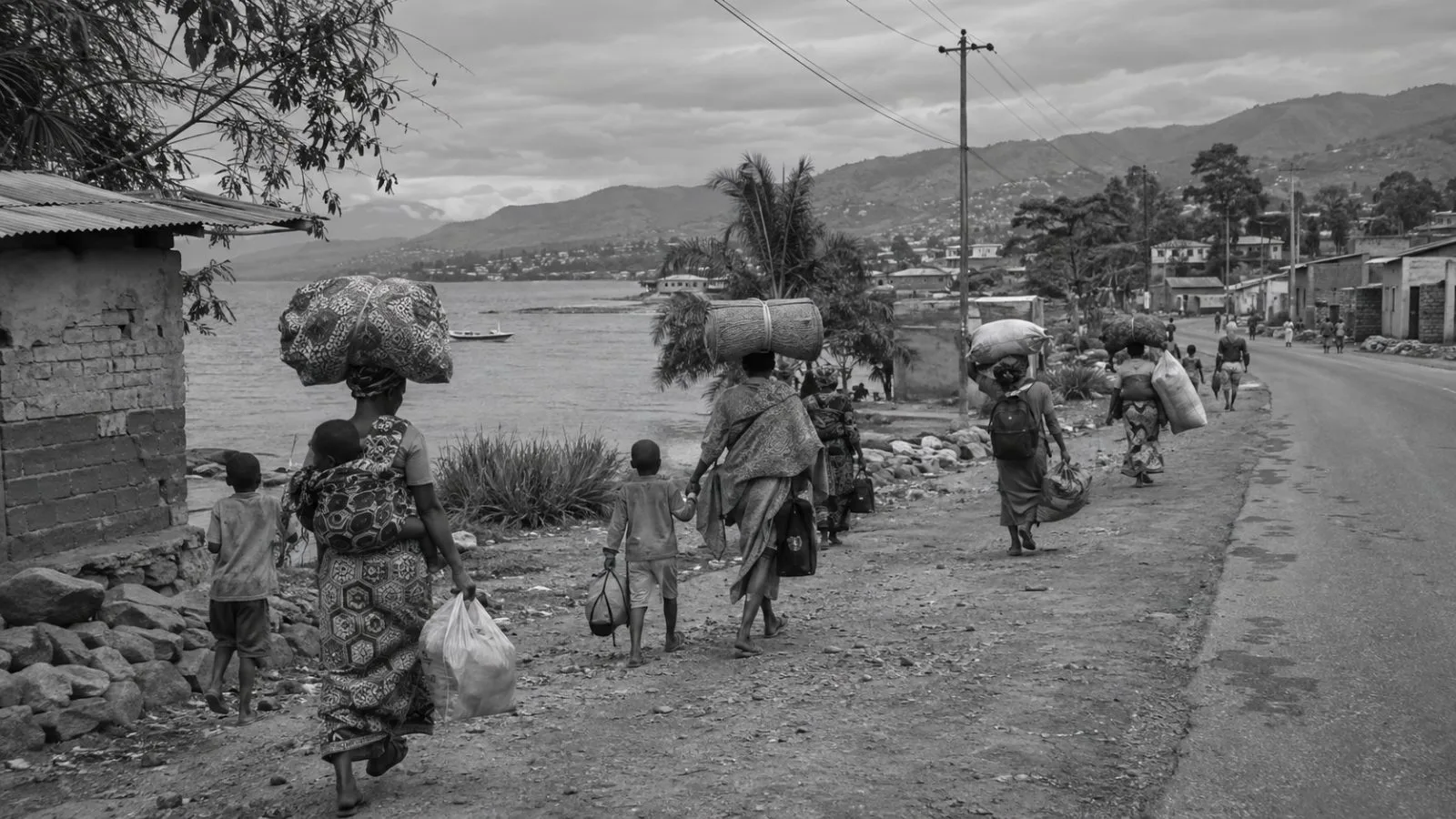
Returns from Burundi to South Kivu continued after the border reopened Feb. 23. UNHCR counted about 40,500 spontaneous returns by March 31. The agency said basic services were scarce in return areas. In an earlier briefing, it reported that some people arriving in Uvira and Fizi lacked shelter, household items, health care, water and sanitation; some found their homes destroyed and belongings looted.
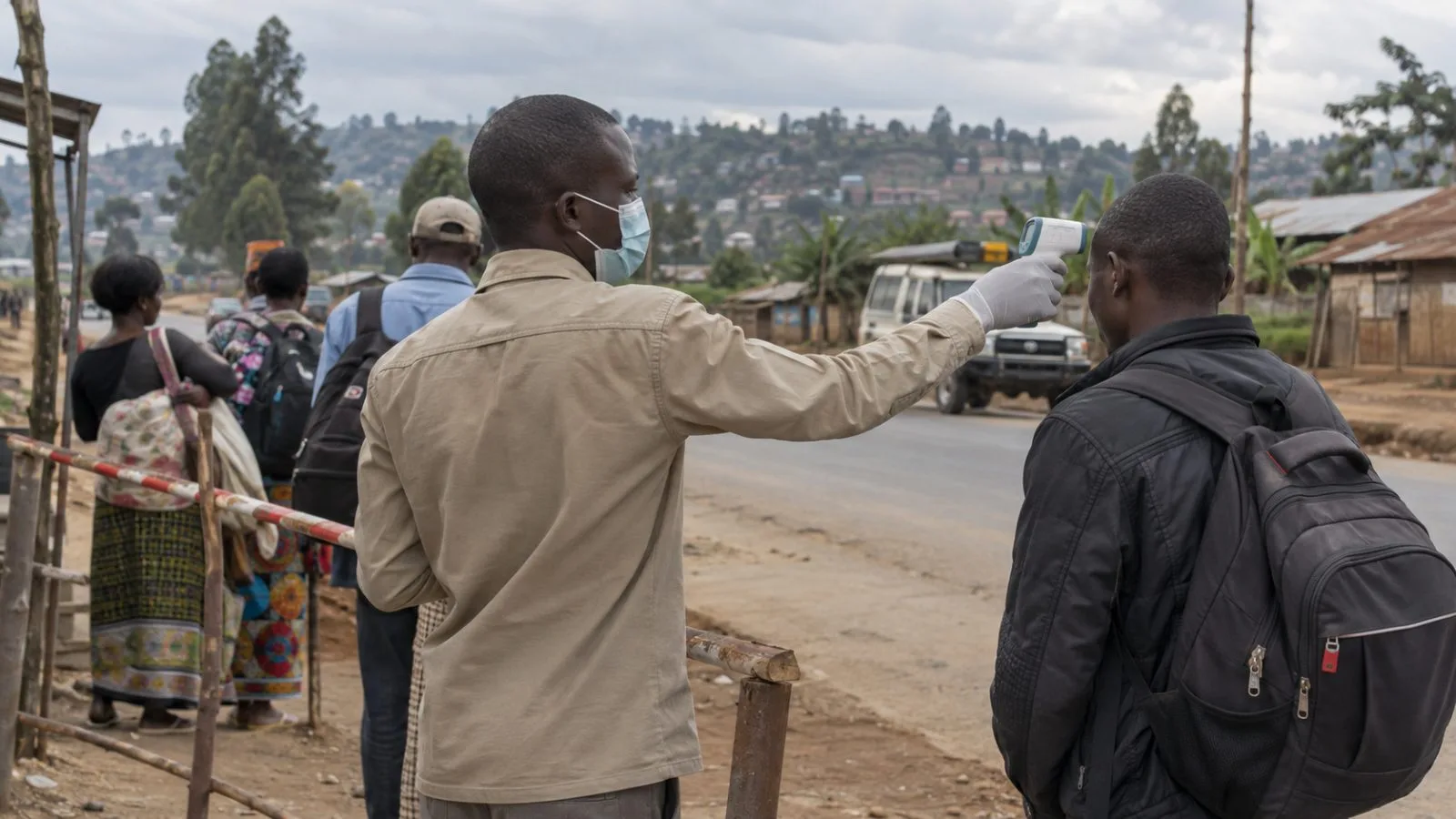
Uganda’s Media Centre said Oct. 25 that nonessential travelers who are DRC nationals would be returned through the nearest point of entry at their own expense under Ebola response measures. The announcement did not explain how asylum claims would be handled. SOS Médias Burundi reported Oct. 5 that Burundi Interior Minister Léonidas Ndaruzaniye had said on Oct. 1 that people from, or traveling through, AFC-M23-controlled areas would not be admitted to Burundi. The outlet said it had found no public text detailing how the measure would be applied or what exceptions might exist.
The DRC-Rwanda peace agreement signed in 2025 calls for refugee returns to be safe, voluntary and dignified. The two governments reaffirmed that commitment with UNHCR in June 2026. In its analysis, ISS said past peace deals had not created durable solutions for displaced Congolese. UNHCR’s advisory is aimed mainly at states and does not prevent refugees from choosing to return voluntarily.