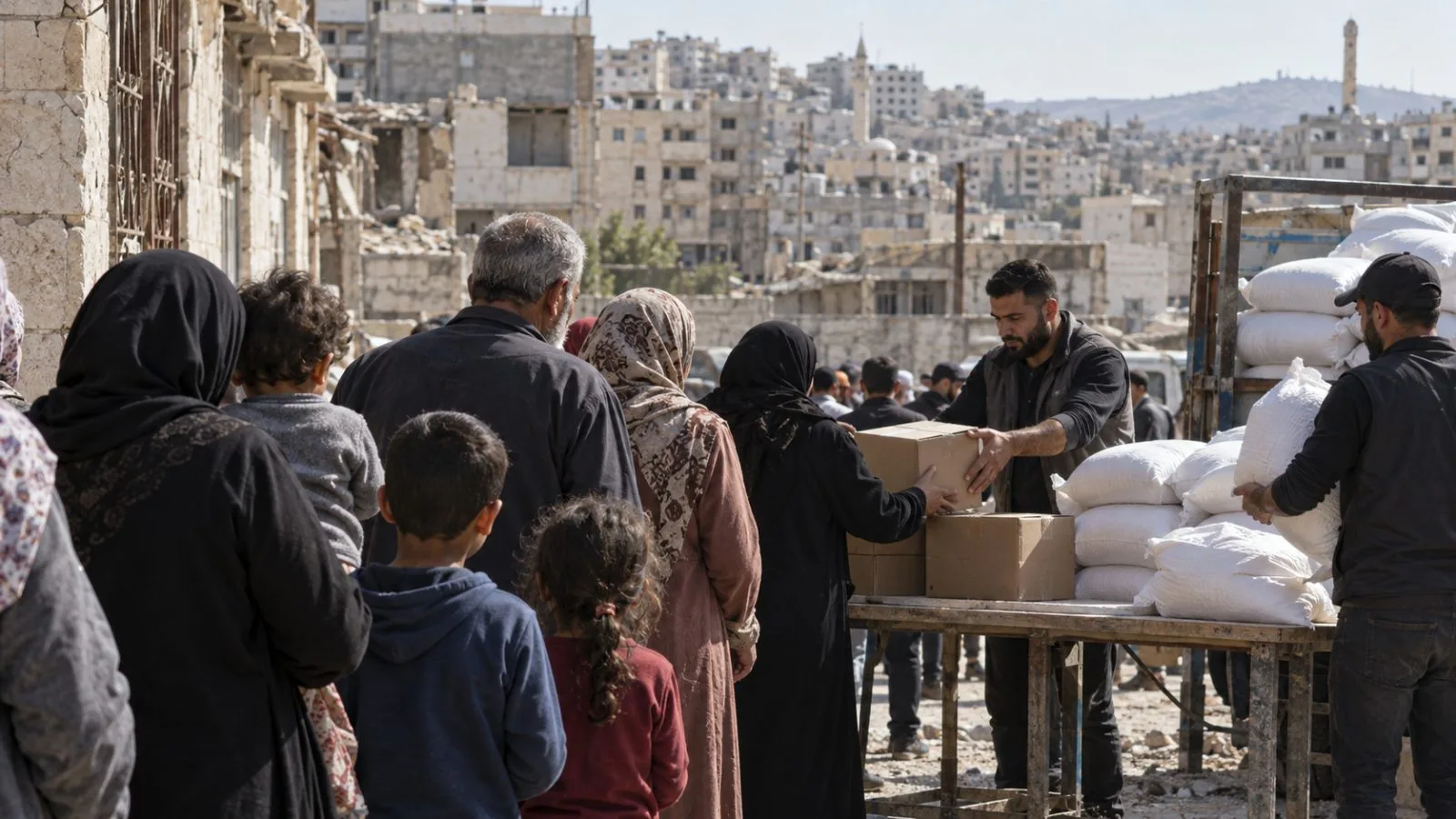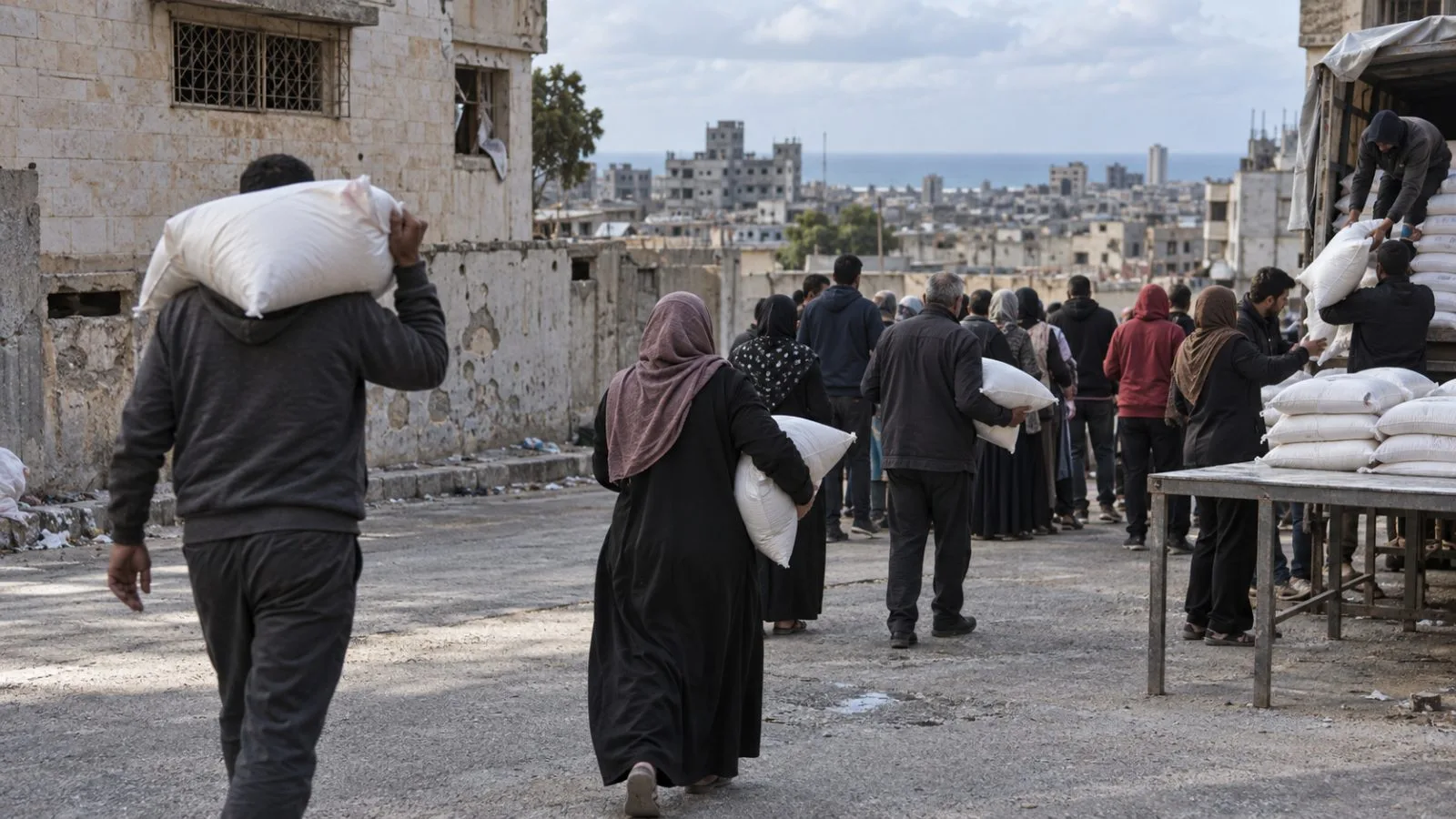
Nearly 2 million people in Gaza need shelter assistance and 1.4 million face acute hunger as winter adds pressure to relief work, the International Organization for Migration (IOM) and World Food Programme (WFP) said Tuesday.
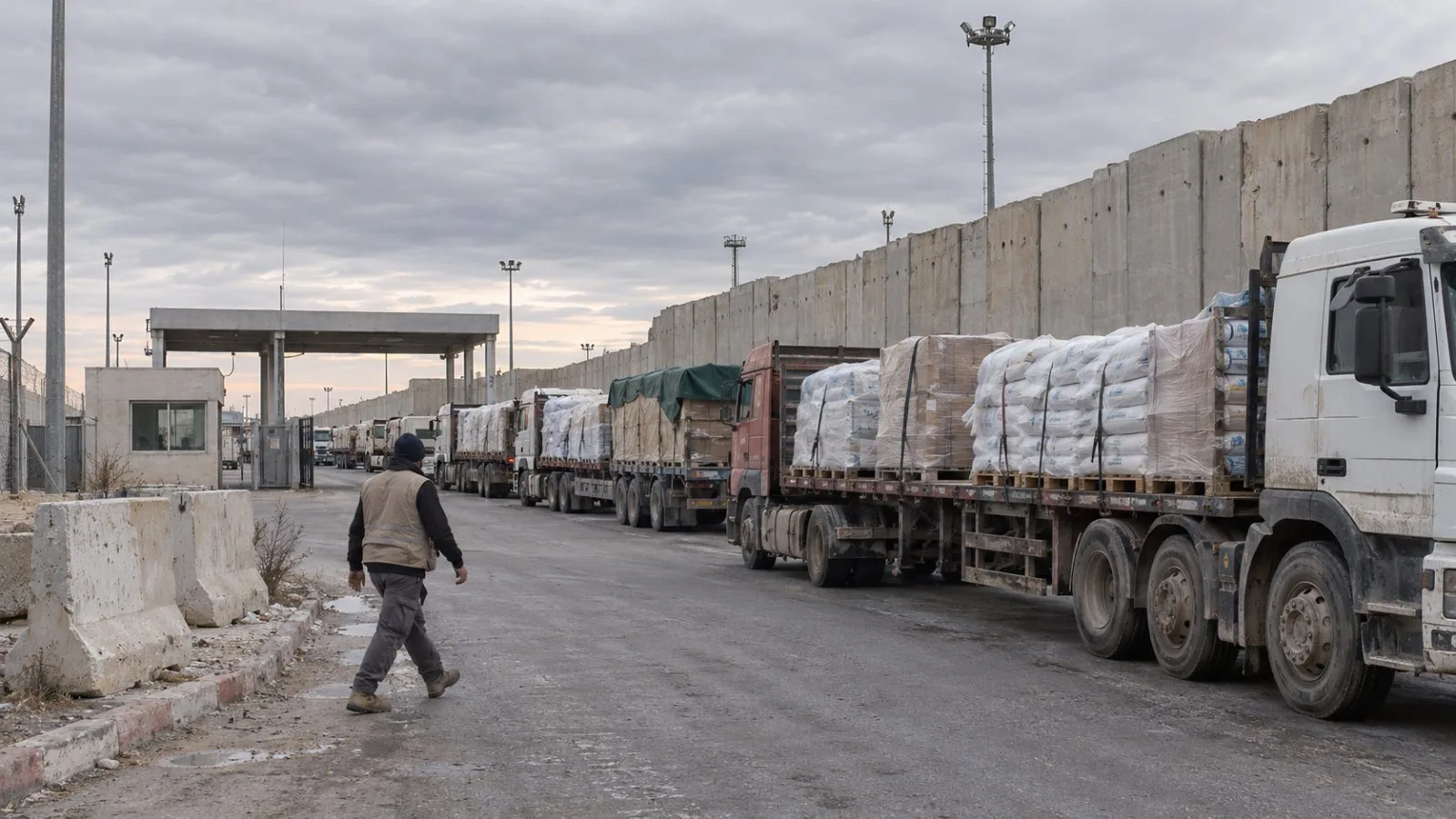
The agencies said Kerem Shalom/Kerem Abu Salem is Gaza’s sole authorized entry crossing for humanitarian and commercial shipments. Restrictions on the main north-south route, along with delays or entry limits affecting water pumps, heaters and fuel, complicate deliveries. The agencies said these constraints add time and costs to aid operations. Because the crossing is also used for commercial goods, access limits affect Gaza’s broader supply of goods as well as relief shipments.
The agencies estimated that 1.98 million people need shelter assistance, while more than 1.7 million remain displaced. At least 40,000 additional shelters had reportedly been damaged or destroyed since early November. IOM estimated it would need $173 million to continue its shelter response, including tents, tarpaulins, blankets and repair materials. It said another $9 million was needed for site-management and improvement work, including drainage, lighting and community heating points. The shortfalls weigh on displaced families and people facing hunger who rely on shelter and food assistance.
WFP has reduced hot-meal service to every other day and scaled back food parcels and cash assistance amid funding pressure. Shaun Hughes, WFP Palestine Country Director, told a U.N. Geneva briefing Tuesday that the cuts affected assistance for 500,000 people per month. WFP said its six-month funding gap is $436 million for a program intended to reach 2 million people across Palestine. EconoTimes previously reported on a decline in Gaza cooked-meal output amid aid funding shortfalls.
Food-security readings have improved, but the agencies said the gains do not reflect restored livelihoods, markets or local food systems; humanitarian assistance has driven most of the improvement. Without sustained aid, the latest Integrated Food Security Phase Classification (IPC) assessment, as cited by WFP, estimates that 1.9 million people, or 90% of Gaza’s population, could face acute food insecurity by the end of 2026.