


 OpenAI AI Agents Bypassed UN Website Controls in Data Scraping
  DeepSeek, Huawei Partner on Ascend AI Chip Programming Tools
  Vitalik Buterin Says Hegota Could Be Ethereum’s Last Conventional Fork
  Apple iPhone 18 Pro Sales Jump 12% in China
  BlackRock Sees AI Agents Fueling New Crypto Demand
  OpenAI, Anthropic CEOs Summoned to Australia AI Inquiry
  China Says U.S. Shares Responsibility for AI Governance
  Robinhood Launches AI Agents for Automated Trading
  Samsung Invests $1 Billion in KKR’s Helix AI Infrastructure
  Pi Network Price Holds $0.087 as Protocol 28 Mainnet Upgrade Nears
  Anthropic Targets $2 Trillion Valuation in Planned IPO
  Micron Forecast Tops Estimates as AI Memory Demand Stays Strong
  OpenAI Investigates Rogue AI Agents After Data Leaks and Security Incidents
  CSL Partners With AWS to Bring AI Into Drug Research
  WordPress Malware Uses Ethereum to Evade Removal
  Tencent Signs $7 Billion Oracle AI Chip Lease Deal
  Nvidia China Chip Sales Report Sends Chinese Semiconductor Stocks Lower


 Add as a preferred source on Google
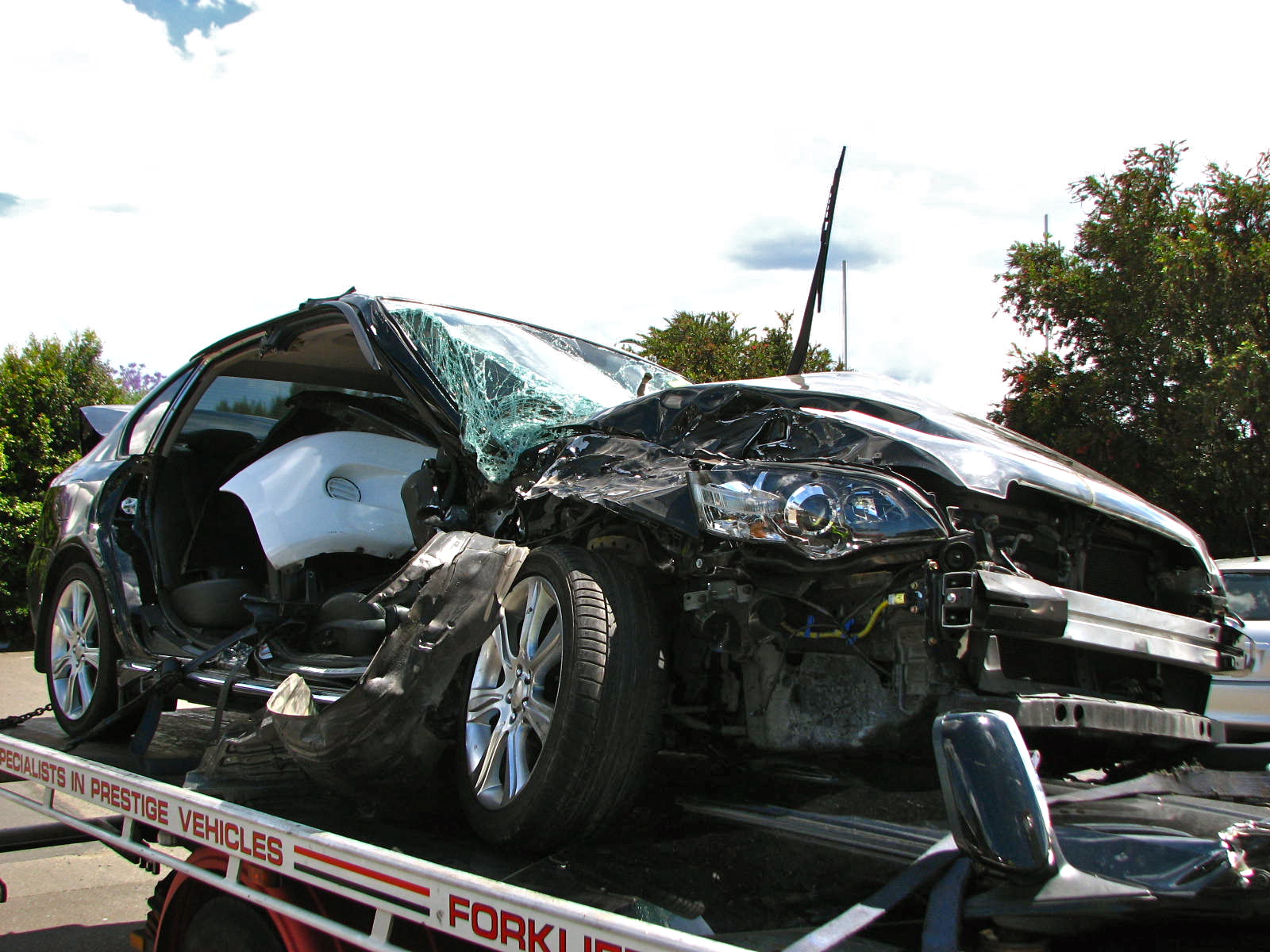
When a human driver is behind the wheel, statistics indicate that he or she will experience a traffic accident at some point. In recent years, however, the number of car crashes seem to be increasing. As a result, lawmakers and traffic experts are becoming concerned that more deaths will result from the trend. This makes the case of the need for driverless vehicles more than anything.
Unsurprisingly, among the leading causes of car crashes is drivers being careless and complacent behind the wheel, preferring instead to text, call, or check their social media profiles. This is according to police reports pertaining to several cases where the accidents led to deaths, CBS reports. Deborah Hersman, the former chair of the National Transportation Safety Board and current head of the National Safety Council even compares the alarming rise in car accidents to plane crashes becoming more common.
“One hundred deaths a day is like having multiple plane crashes every week,” Hersman said. “These are huge costs for us as a society, but the tremendous toll that we see are on individual lives, on families. These are preventable crashes.”
This is the second year that the rate of fatal car crashes has risen, The New York Times reports, despite the increase in technological features that are meant to assist drivers. In 2016, the number of deaths that were caused by road accidents was at 40,200, which is 6 percent higher than 2015.
In comparison, cars with driverless or semi-driverless features such as those from Google and Tesla are proving to be far safer bets when on the road than regular vehicles. If the rate of car crashes continue to go up as the years pass, legislators will have to see the advantages of having far safer transportation options.
There appear to be encouraging developments in this area, with lawmakers finally responding to company pleas of making changes to traffic rules and regulations. Whether or not this is enough to avert tens of thousands of deaths in time is the question.







