Police in Uttar Pradesh are investigating one purported high court order linked to a government campaign that blocked 129 betting websites after Reuters found two supporting documents were fake.
India’s Department of Telecommunications directed internet providers to block 34 sites on July 21 and another 95 on Sept. 2. Reuters said ministry records showed each instruction was accompanied by an email carrying a purported ruling from the Rajasthan or Allahabad High Court. Its review found neither document in the courts’ online registration records.
The Rajasthan High Court registrar told Reuters by email that the purported ruling could not be found on the court’s server and appeared fraudulent. The court offered no further explanation, Reuters reported.
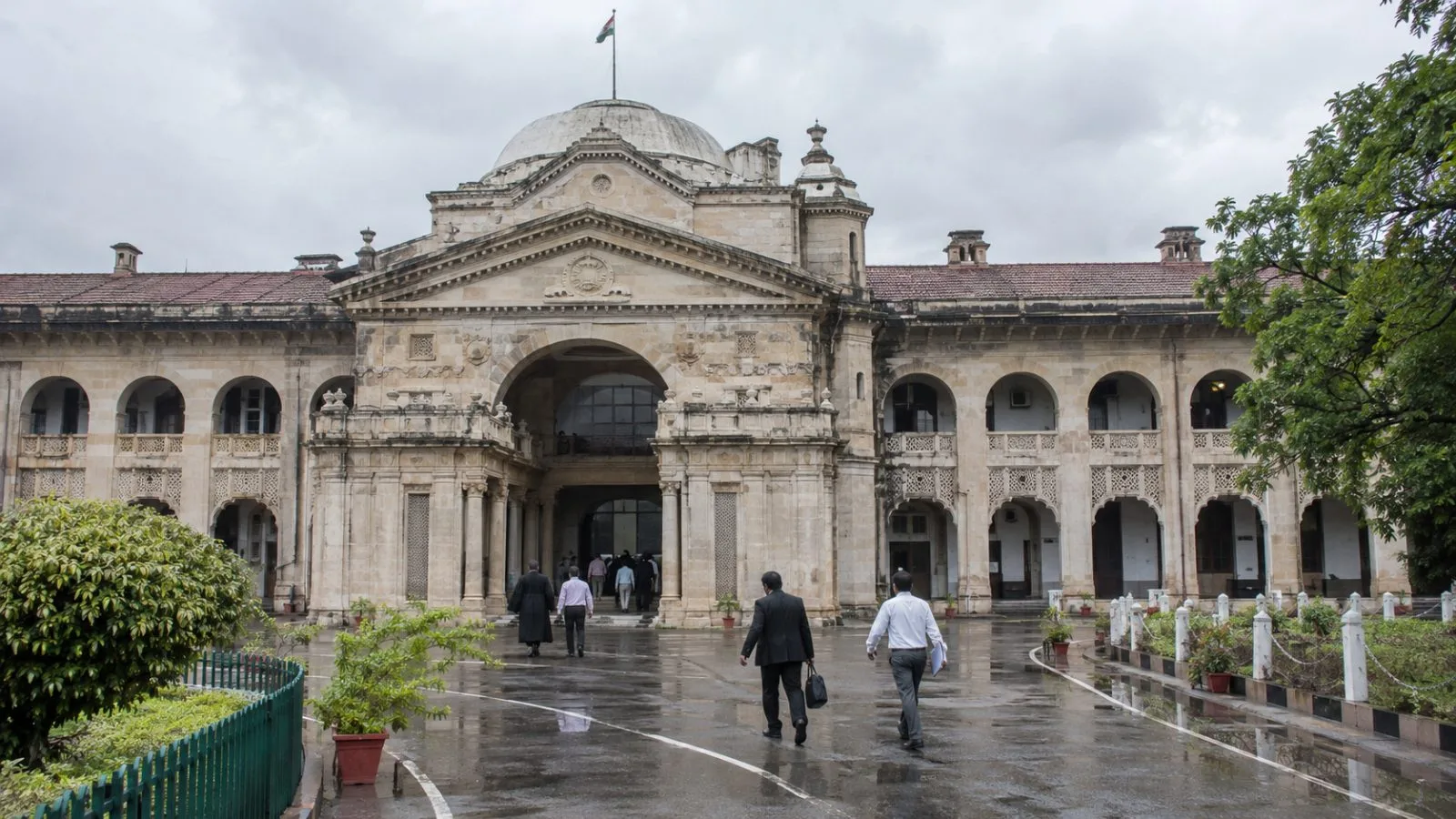
In Uttar Pradesh, the Allahabad High Court filed a police complaint Nov. 6 after Reuters asked about a separate document bearing the court’s name, according to police records reviewed by the agency. Police opened an investigation into unidentified people over alleged forgery and cheating. The document used the name of Justice Garima Prashad; her office told police she had not issued it, the records show. Senior state cybercrime official Ghanshyam Yadav told Reuters there had been no arrests.
The first disputed document reached telecommunications officials by email on July 19, two days before the 34-site block instruction. It invoked an Indian information technology law provision allowing takedowns on national-security grounds and called for action within 24 hours, Reuters reported. The Allahabad document included a QR code that led to a webpage showing only a case number, according to the agency’s review of ministry correspondence.
Reuters said the case points to a risk that fabricated legal papers can pass through India’s online content-removal process, potentially affecting any organization with an internet presence in the country. The report also cited recent judicial concern over fabricated legal materials: India’s Supreme Court set aside tribunal orders in July that relied on nonexistent judgments, and a U.S. judge recently disqualified lawyers over fabricated legal citations.
The Department of Telecommunications did not answer Reuters’ questions. Both purported orders remained on its website as of Wednesday, the agency reported.