India’s Sukanya Samriddhi Account Scheme permits education withdrawals before maturity, giving eligible account holders access to savings while limiting payouts to documented costs and a prior-year-end balance ceiling.
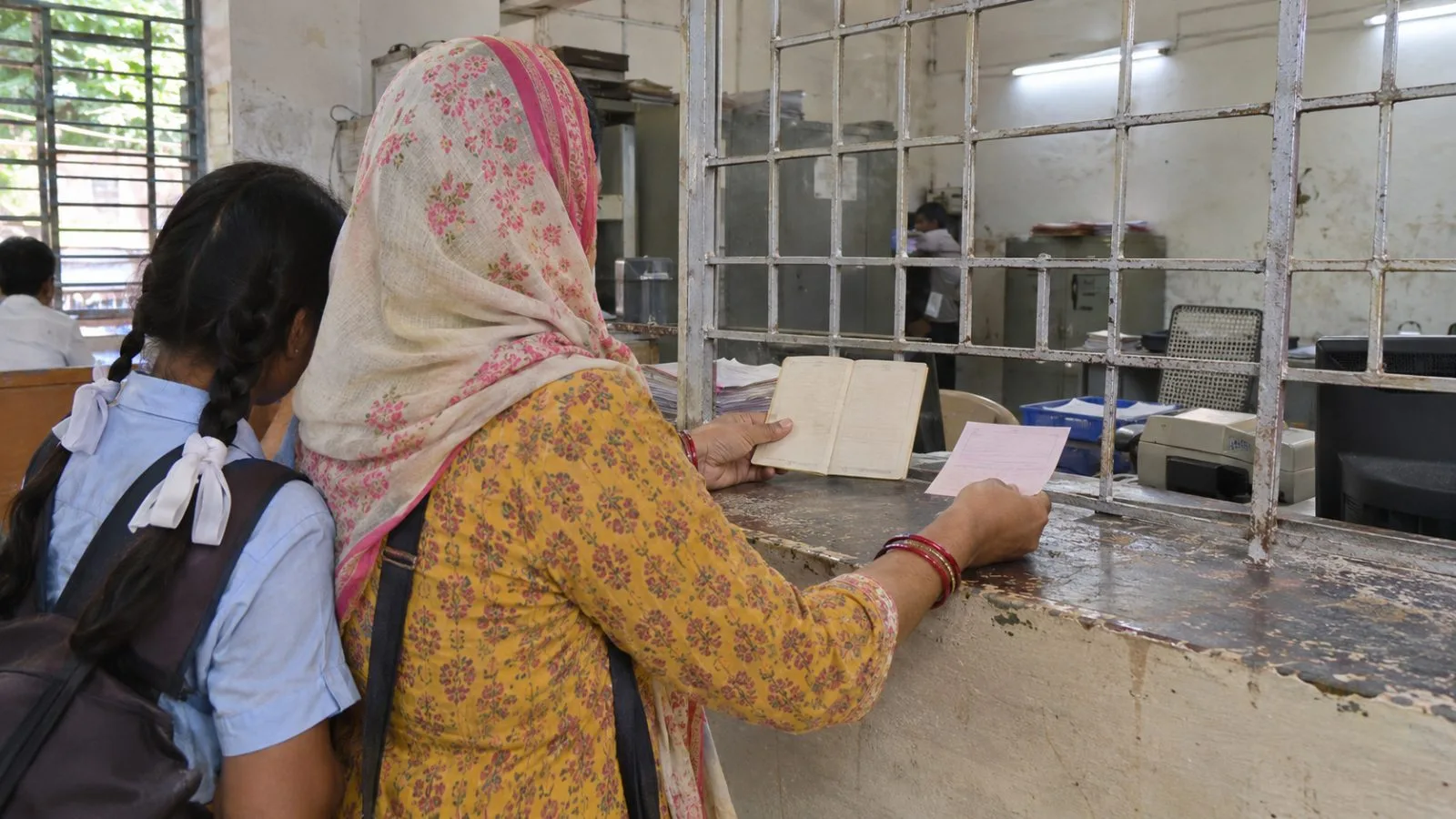
A holder qualifies after turning 18 or passing 10th standard, whichever happens first. A depositor or guardian may file Form-3 for the education withdrawal, attaching a confirmed admission offer or fee slip that states the financial need.
The National Savings Institute’s scheme rules set two limits: half of the account balance at the end of the financial year before the application year, and the education fees and charges shown in supporting documents. The holder may receive no more than the smaller amount. India’s financial year runs from April 1 through March 31, so the year-end balance used in the calculation may differ from the account’s value when the application is filed.
The rules permit a single payment or staged withdrawals. Staged payments are limited to one in each year, for no more than five years. Each withdrawal remains bounded by the fees and charges documented for education.
The rules address partial withdrawals and account closure under separate provisions. That structure indicates any money left after an education withdrawal remains in the account under the scheme’s interest provisions. Immediately after a withdrawal, the amount left is the account balance at that time minus the amount actually withdrawn.
Interest is calculated monthly and credited at the end of the financial year. The Reserve Bank of India’s report lists an annual rate of 8.2% for Oct. 1-Dec. 31, 2026; that quarter-specific rate does not set the return for the account’s full term. The account matures 21 years after opening, and Form-4 allows the holder to receive the outstanding balance and applicable interest at closure.
The government launched the scheme Jan. 22, 2015, under its Beti Bachao, Beti Padhao campaign. A guardian may open an account for a girl younger than 10. Deposits can continue for up to 15 years and are capped at ₹150,000 per financial year. EconoTimes previously covered the annual deposit limit for Sukanya accounts.