India’s opposition has focused its voter-roll campaign on election procedures, while its reported demands omit repeal of a citizenship law that creates a special route for six religious communities.
That gap is central to an argument by Nabiya Khan, an Al Jazeera opinion writer, in an article published Oct. 31. Khan says opposition protests against the Special Intensive Revision (SIR) of voter rolls have not addressed Muslim concerns raised during debate over the Citizenship (Amendment) Act, 2019. She argues that the movement shows selective solidarity, an interpretation of its priorities.
The New Indian Express reported that Mallikarjun Kharge urged the INDIA bloc to seek pre-SIR rolls for future elections, an appeals process, safeguards against administrative exclusion and the removal of Chief Election Commissioner Gyanesh Kumar. Kharge also called for paper ballots. Separately, PTI reported that the bloc agreed to return to ballot-paper voting and a joint action plan. The reported proposals do not include repeal of the CAA.
The law provides a special citizenship route, subject to its conditions, for Hindus, Sikhs, Buddhists, Jains, Parsis and Christians from Afghanistan, Bangladesh and Pakistan who entered India on or before Dec. 31, 2014. Muslims are not among the communities listed for that route. The law does not itself decide the citizenship of existing Indian residents.
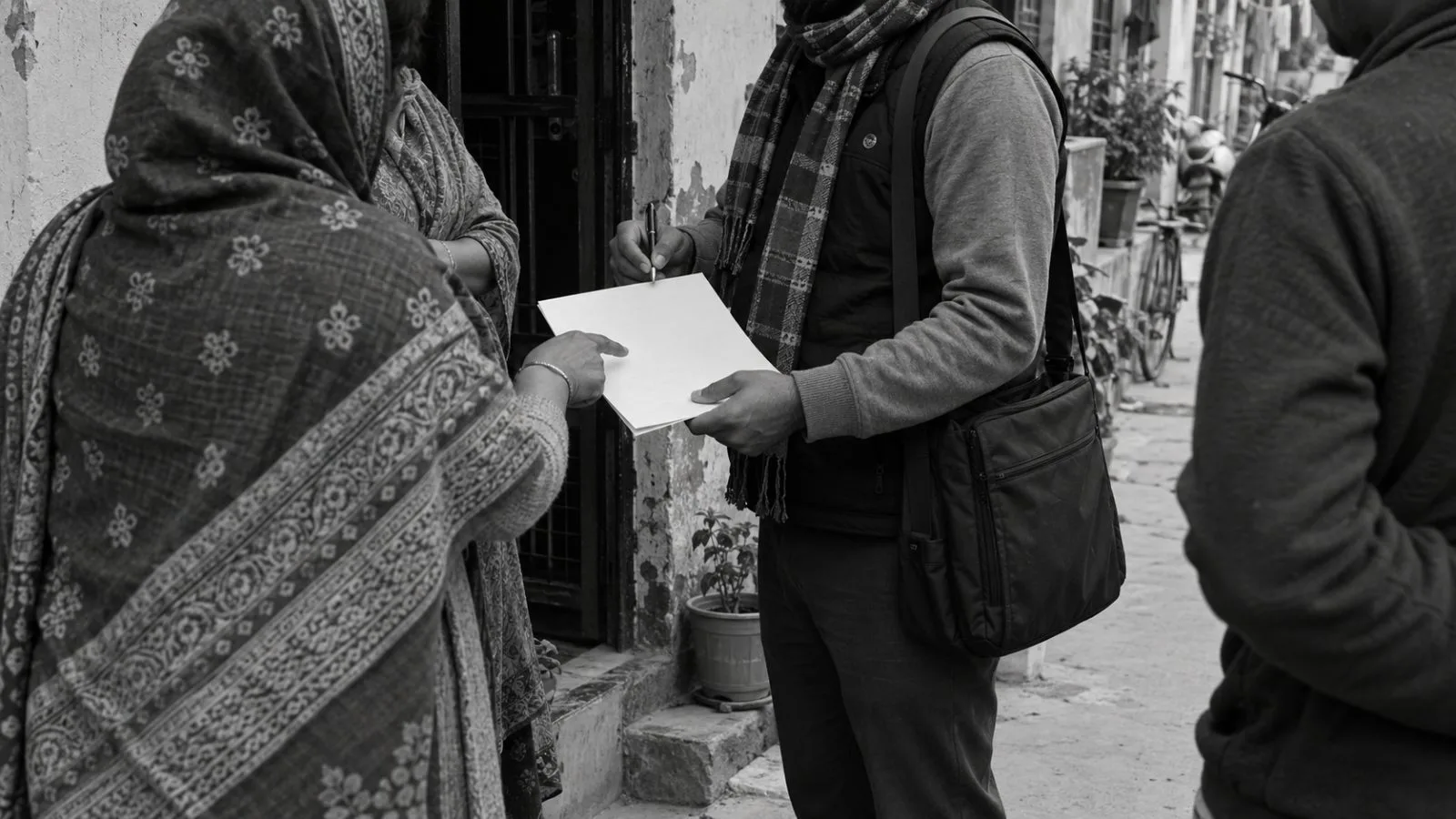
The SIR is a separate voter-eligibility process. The Election Commission of India (ECI) ordered one in Bihar on June 24, 2025, citing the need to include eligible citizens and remove ineligible voters. On May 27, 2026, the Supreme Court of India upheld Bihar’s revision, ruling that the ECI may make a limited citizenship inquiry for voter eligibility but cannot formally determine citizenship. Deletions based on such an inquiry must go to the competent central authority.
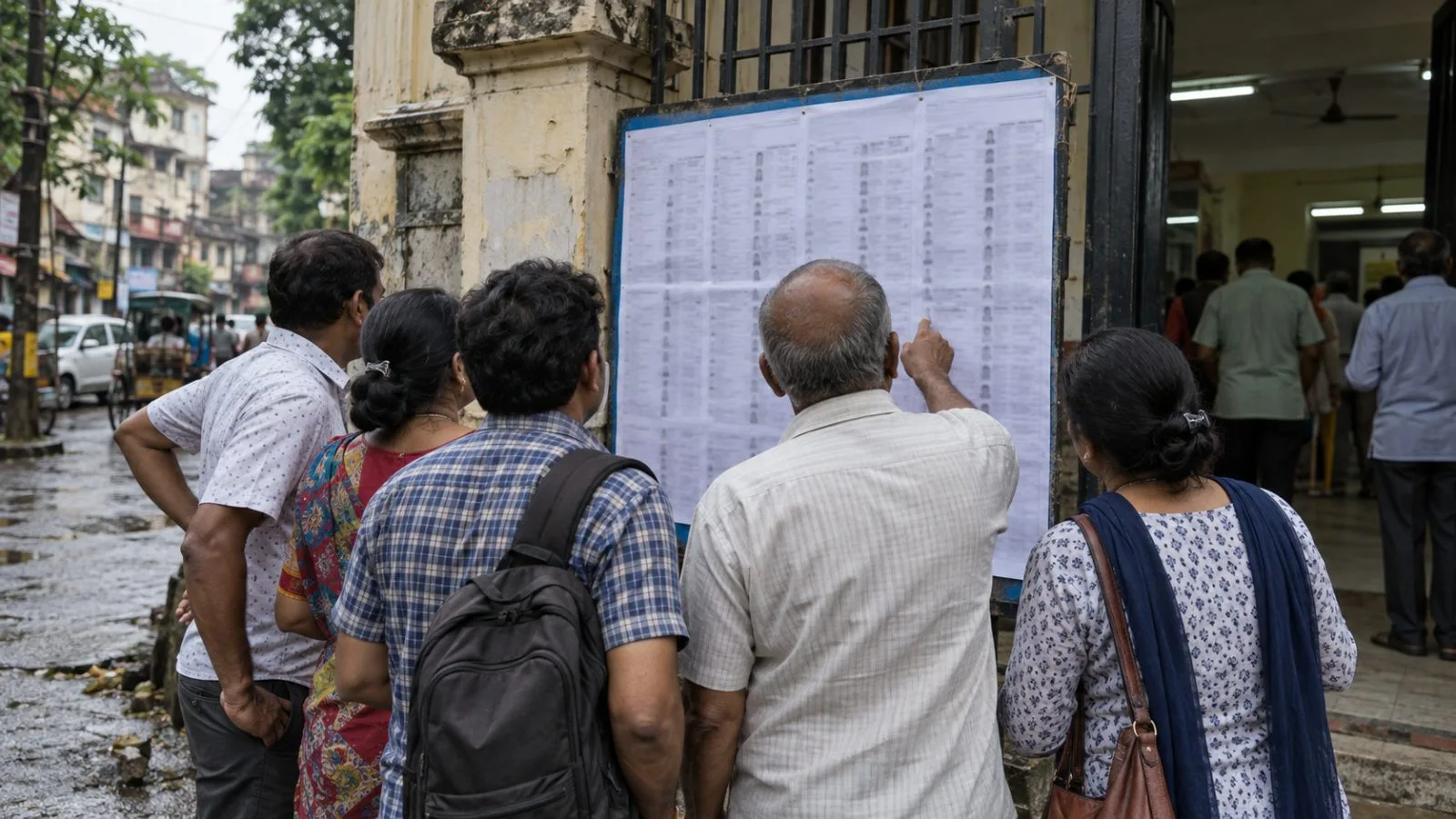
West Bengal’s revision before its April 2026 election illustrates the scale of the process. Hindustan Times, citing ECI figures, reported that 9.1 million names were removed, or 8.9 million net after additions. It said about 5,984,512 cases were disposed of by judicial officers: 2,716,393 names were removed and 3,268,119 voters were found eligible.
The Wire estimated through surname analysis that Muslims accounted for 70.2% of electors found ineligible after judicial review. The ECI’s lists do not identify voters’ religion, and The Wire said it could not quantify the classification’s error rate. People removed from voter rolls may need to seek reinstatement and can lose the chance to vote while excluded.