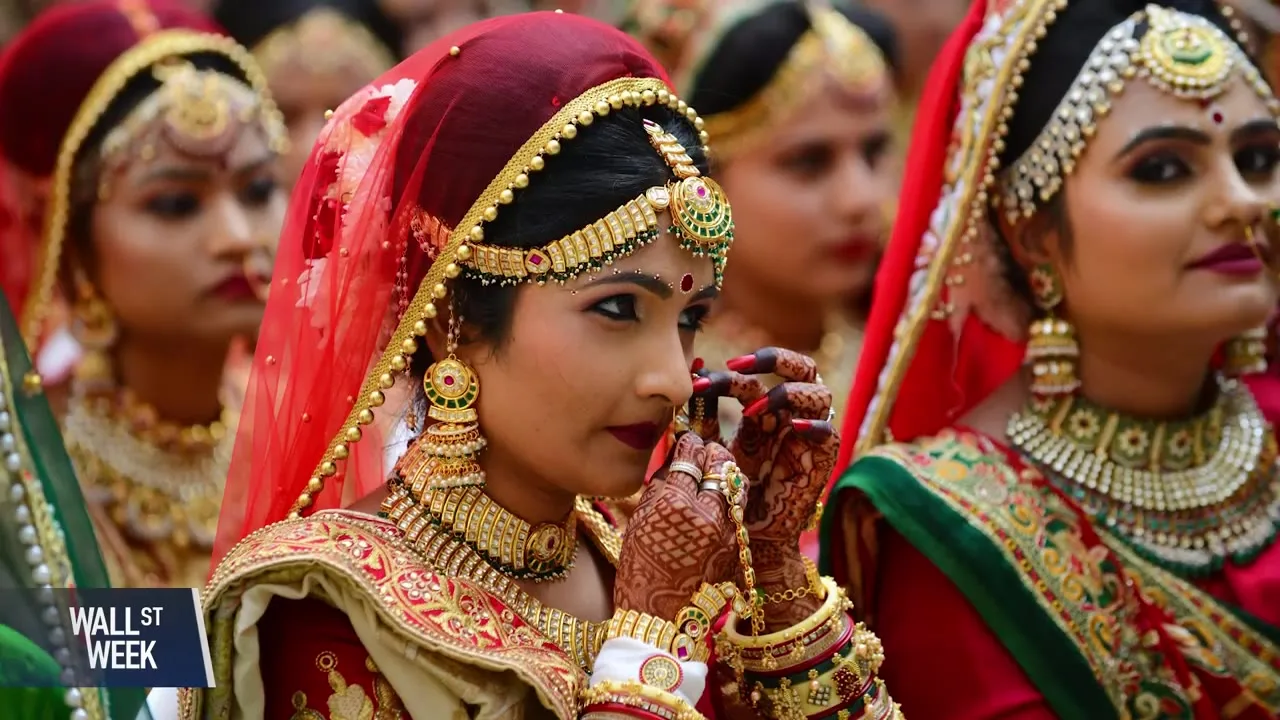
Parents arrange 93% to 94% of Indian marriages, Sonalde Desai, professor and director at New Delhi's National Center of Applied Economic Research, said in an interview published Nov. 15.
Couples increasingly have a choice of partners, but parents still organise the matches. That makes weddings a family affair, with spending tied to how relatives and the wider community see the household.
Desai discussed those pressures in Bloomberg Television's “Inside India’s $130 Billion Wedding Economy.” Weddings accounted for $130 billion of India's $4 trillion economy in 2025, or about 3%, Bloomberg Television reported.
Marriage continues to shape family life in India even as fewer people marry in some other countries. About 97% of Indian women marry by age 30, Desai said.
Families also use weddings to display their standing to relatives and the family their child is marrying into. That can make the cost difficult to separate from obligations built up over years.
Desai described a conversation with her driver, who planned to spend about four years of his salary on his daughter's wedding. She asked why he would not give the money directly to the couple.
He felt obliged to repay the hospitality he had received at other weddings. He also feared that spending less would damage his standing within his community and caste, potentially affecting his younger child's marriage prospects.
Parents often begin saving when a daughter is born and also borrow to cover wedding bills. “Parents ultimately end up having very little savings for their old age,” Desai said.
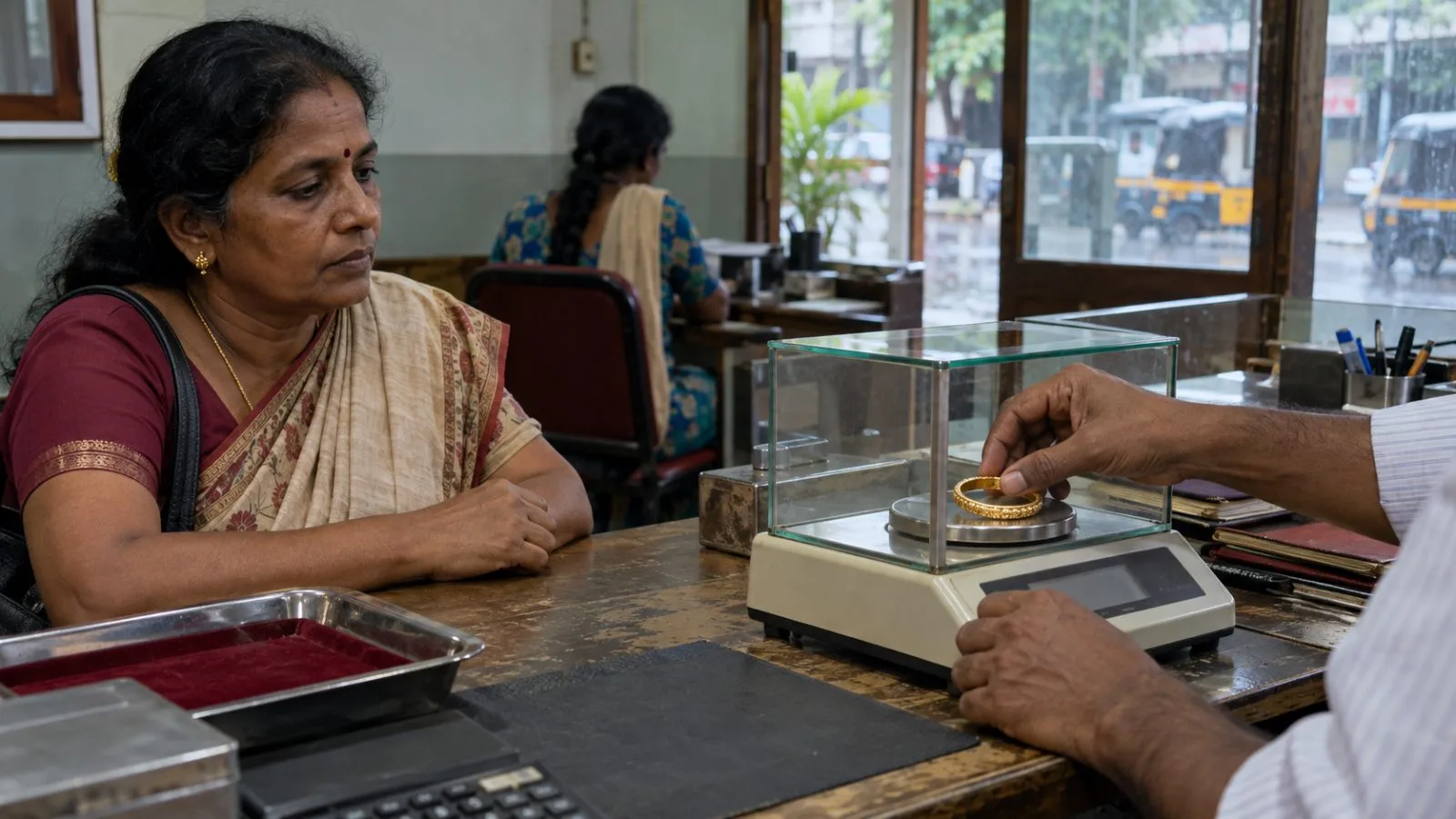
Gold provides another way to pay those bills. George Alexander Muthoot, executive vice chairman of the Muthoot Conglomerate, said customers borrow against jewellery both to buy wedding gold and to cover celebrations.
He described a customer seeking money to buy 200 grams of gold for a daughter's marriage. Other customers need loans for wedding functions and expenses they would otherwise pay from their businesses.
Borrowing separately allows those customers to pay for a wedding without taking money out of a business. Muthoot presented that lending as one use of his company's loans backed by gold.
“You do not need to have a credit score,” Muthoot said. The company bases the loan mainly on the gold pledged as security, rather than the borrower's repayment history or ability to repay.
He said that process makes borrowing faster and involves less paperwork than other loans. Customers do not face the same requirements to explain how they will use the money and make monthly repayments.
Trust also matters because customers hand over gold worth more than the cash they receive. Muthoot described borrowers providing gold valued at 100 or 120 rupees to obtain a loan of 75 rupees.
Neither Desai nor Muthoot gave an interest rate or repayment period for the wedding borrowing they described. Desai's account left the household cost in view: paying for the celebration can reduce what parents retain for retirement.