


 RBI Raises Repo Rate to 5.50% in Hawkish Shift on Inflation Risks
  Oil Prices Rise as Hormuz Attacks Fuel Supply Fears
  Iran Tanker Attacks Surge as Hormuz Oil Flows Near Prewar Levels
  Gold Prices Fall as Stronger Dollar Weighs on Bullion
  European Stocks Fall as Oil Rises Ahead of Fed Minutes
  Asian Stocks Rise as Nasdaq Record Offsets Bond Yield Pressure
  German Industrial Orders Plunge 10.6% in August
  US Stock Futures Flat as Fed Minutes, Earnings Loom
  Oil Prices Fall as Middle East Exports Recover, G7 Eases Supply Fears
  European Stocks Diverge as French Fiscal Crisis Hits CAC 40
  UK House Prices Flat in September as Mortgage Rates Weigh
  India-US Trade Deal Talks Hit Plateau, Sitharaman Says
  Australia Consumer Confidence Plunges as RBA Rate Hike Hits Households
  Trump Opens Tax-Exempt Dyed Diesel Access as Fuel Prices Surge
  Trump Plans Diesel Tax Relief as Fuel Prices Hit Record Highs
  Wall Street Rises as Oil Prices Ease, Nasdaq Hits Record
  Thailand Plans Dual-Class Shares to Revive IPO Market


 Add as a preferred source on Google
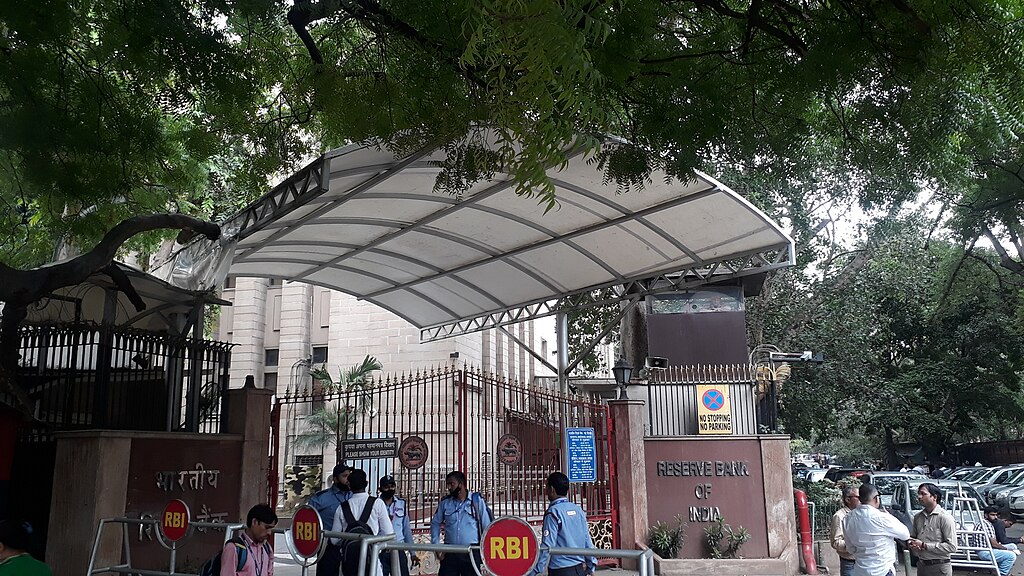
Indian stocks declined on Wednesday after the Reserve Bank of India raised interest rates for the first time since early 2023 and adopted a more hawkish policy stance as inflation remained elevated.
The benchmark Nifty 50 fell 0.4% to 22,694.55, while the BSE Sensex dropped 0.55% to 72,684.51 by 10:31 IST. Both indexes had been down nearly 1% earlier before recovering some losses.
The RBI increased its benchmark interest rate by 25 basis points to 5.50%, returning borrowing costs to a one-year high. Governor Sanjay Malhotra also shifted the central bank’s policy stance from neutral to calibrated tightening, signaling that further rate increases could follow.
India’s consumer price inflation has remained above the RBI’s 2%-4% medium-term target since June. Rising oil prices linked to the Middle East conflict have added to inflationary pressures, while disruptions to the monsoon associated with the Super El Nino effect have pushed food costs higher. Strong domestic consumer demand has also contributed to persistent price pressures.
The RBI expects headline CPI inflation to average 5.8% over the next three fiscal quarters. Core inflation, meanwhile, is projected at 4.4% for the current financial year.
Despite inflation concerns, the central bank maintained an upbeat assessment of the Indian economy, forecasting gross domestic product growth of 7.1% for the current year.
Capital Economics said the RBI decision reinforced expectations for additional monetary tightening. Its analysts anticipate further 25-basis-point rate hikes in both December and February.
Higher interest rates can pressure Indian equities by increasing borrowing costs and tightening financial conditions, although elevated rates may also attract additional foreign investment. Large banks and insurers could benefit, while rate-sensitive sectors such as automobiles and utilities may face greater pressure.
The latest tightening adds another challenge for Indian stock markets after a difficult 2026. The Nifty 50 has fallen more than 13% year-to-date, leaving Indian equities among the weaker-performing major global markets this year.







