


 Wall Street Edges Higher as Treasury Yields Retreat
  IMF Says Global Bond Markets Remain Orderly Despite Yield Surge
  Yen Strengthens on Tokyo Inflation as Dollar Awaits US Jobs Data
  Bank of America Sees EUR/USD at 1.15 by Year-End
  Oil Prices Steady as Middle East Crude Flows Recover
  Citi Raises Bitcoin Target to $113,000 as Crypto Outlook Improves
  Bitcoin Holds Above $83,700 as High Treasury Yields Limit Rally
  Evernorth Set for Nasdaq Debut With 473 Million XRP Treasury
  South Korea Exports Surge 83.5% on AI Chip Boom
  Oil Prices Surge as U.S.-Iran Tensions Fuel Supply Fears
  Dollar Hits Three-Month High as US Treasury Yields Surge
  Midnight NIGHT Token Surges 86% as Smart Contract Launch Nears
  Ripple Locks 700 Million XRP Back in Escrow After October Release
  TRUMP Memecoin Launches New Dinner Contest
  MSTR Stock Rises 3% as Strategy Challenges MSCI Bitcoin Stance
  Scope Warns US Debt Could Hit 160% of GDP


 Add as a preferred source on Google
Inorder to increase inflows to India , the government has taken many steps in a major liberalisation of FDI regime. 15 sector's FDI regulations have been eased, limit on Foreign Investment Promotion Board(FIPB) is extended to INR50bn from INR30bn. These changes will lead to quicker FDI approvals, also by reducing paperwork.
Rules on FDI have also been diluted in wholesale and retail activities, defence sector, private banks and construction sector, helping improve job creation, boosting the sectors.
Capital account signals will be further opened up, which indicates government's willingness to undertake reforms, besides political setbacks recently.
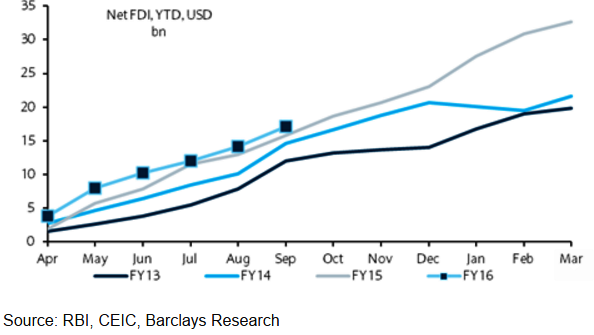
Government has been easing FDI regime since it took powers, USD17.1bn of net inflows are seen in first half of 2015, last year net FDI was USD 32 bn, following a series of liberalisation steps since September 2015, when Government in conjuction with Reserve Bank, announced opening of bond market to greater foreign paarticipation.
Indian government also started a bankruptcy draft code, with further fiscalisation of oil price profits by indirect taxes.
"The challenge remains in getting parliamentary approvals for key tax reforms such as the Goods & service tax, which requires two-thirds majority approval from both houses of parliament", says Barclays in a research note.

- News

- Economy

- Central Banks
- Investing
- Research
- Roundups
- Digital Currency
- Insights
- Technical Analysis
- Technology
- Business
- Law
- Health
- Nature
- Fintech
- Science
- Topic
- Opinions
- ©Econometrics LLC . All Rights Reserved.
Indian government takes major FDI liberalization moves, key reform approvals remains a challenge
Wednesday, November 11, 2015 5:37 AM UTC
Editor's Picks



- Market Data
Most Popular




