Intel India President Gokul V. Subramaniam says the operation’s engineers work across chip design and software as India expands data-center capacity and develops local-language AI tools.
In an interview published by Hindustan Times on Oct. 28, Subramaniam described a broader engineering remit for the India operation. He listed work on instruction-set architecture, central processing units, graphics processors and ecosystem intellectual property, as well as firmware and software.
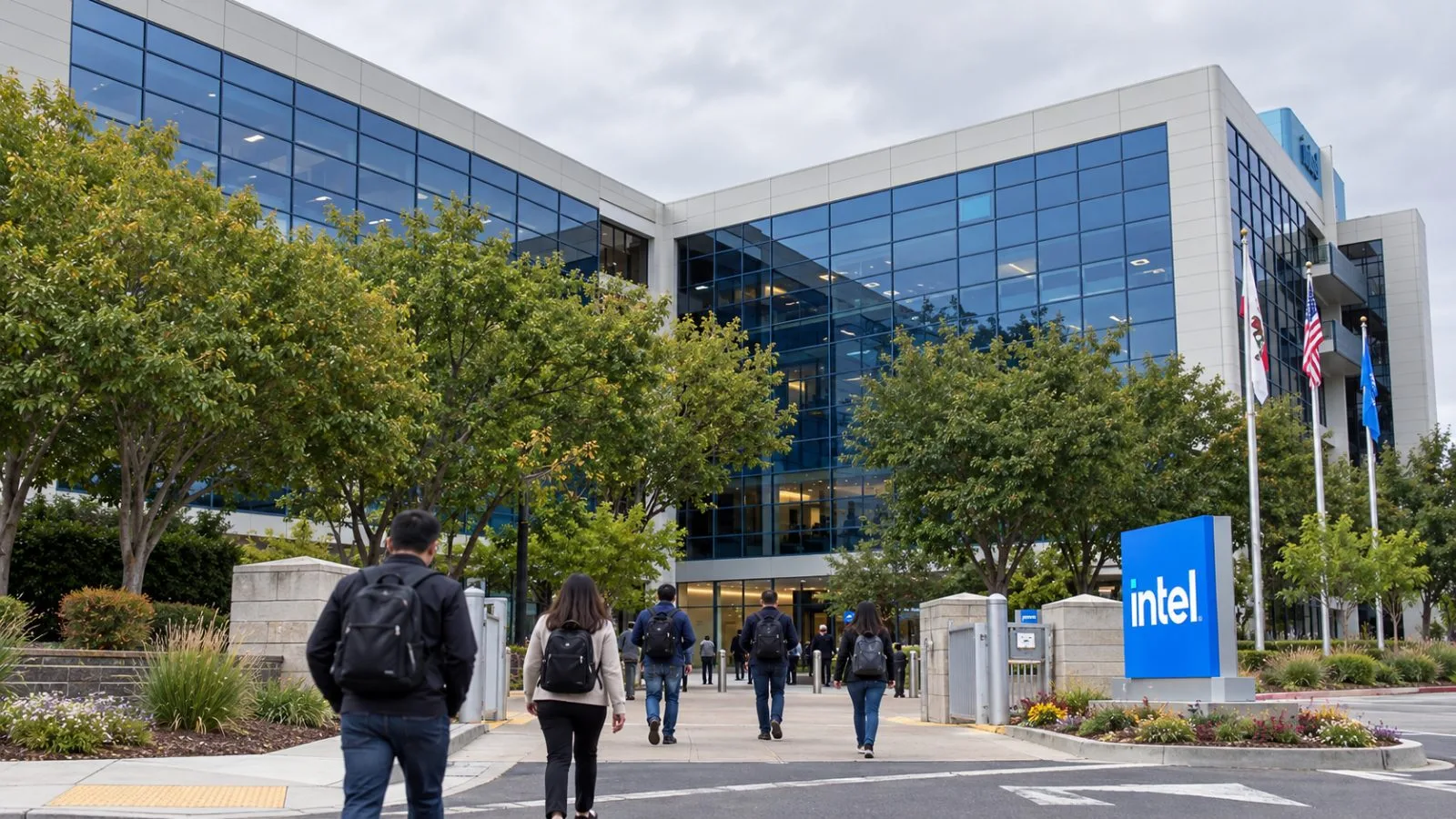
Intel reports an India workforce of more than 13,000 and describes the country as its largest design-and-engineering base outside the United States. Subramaniam said Indian teams contributed to Clearwater Forest, Panther Lake and Wildcat Lake. He also said Intel had added custom-silicon work during the past 18 months, without connecting that work to India or naming a customer. Hindustan Times reported Intel has invested nearly $11 billion in India over 37 years; Subramaniam gave no figure for prospective investment.
Language technology is another area of activity. Tech Mahindra said it launched an education model with eight billion parameters at the India AI Impact Summit and demonstrated IndusLLM running on Panther Lake. Intel and the Digital India BHASHINI Division announced Vidyalekha for Intel-based AI PCs. Designed to work offline, the tool turns spoken English lectures into text and translates them into a language selected by the student.
India’s government says installed data-center power capacity rose from about 375 megawatts in 2020 to 1.57 gigawatts in August 2026. It projects nearly eight gigawatts by 2030, with nearly $70 billion in investment underway and another $90 billion in announced projects. The government links sector growth to rising digital demand and says facilities depend on steady power and effective cooling.
India’s Central Electricity Authority estimates data-center electricity demand could reach 17 gigawatts by 2031-32. The government’s capacity and demand projections point to the infrastructure requirements accompanying the sector’s expansion.