Intel’s share decline reflected weakness in its personal computer business, while artificial intelligence’s productivity benefits will take longer to emerge, Bloomberg Television reported in an interview published Oct. 31.
The distinction leaves room for a longer investment case for AI even as Intel faces weaker demand for its existing products. The timing of those benefits remains uncertain.
The interview, carried under the title “Intel Suffers Worst Stock Thrashing in Decades on Weak Forecast,” offered no timetable for when the selling might stop.
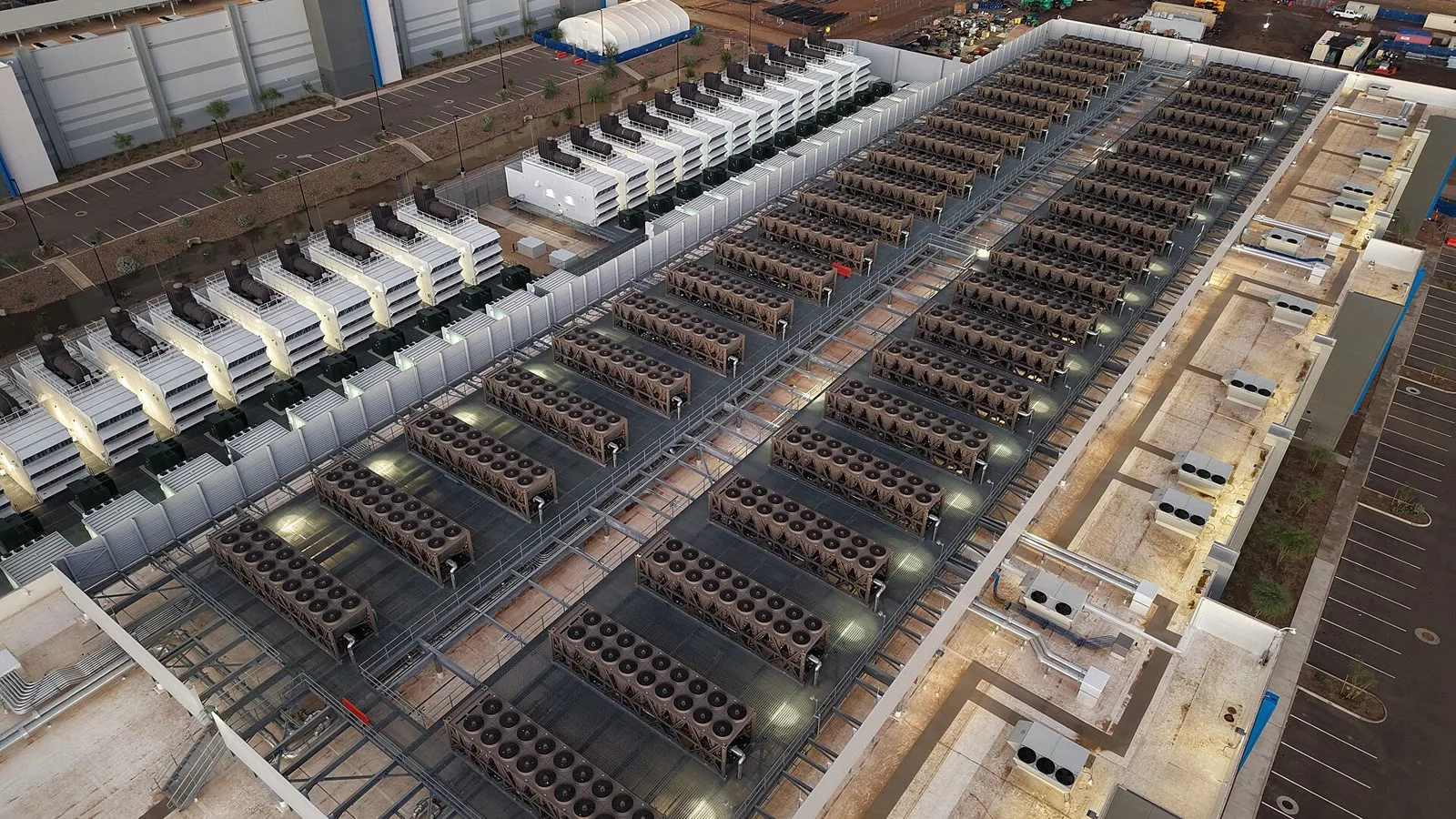
Intel’s earlier gains were seen as resting on expectations for its future business rather than sales already earned. The company aims to manufacture AI chips for other businesses, while its existing server business serves conventional data centers.
Weakness in personal computers was identified as the immediate problem. Higher memory and storage costs were seen as slowing purchases of computers and, in turn, demand for Intel’s processors.
That weakness was distinguished from disappointment over the pace of AI development. Expectations that machines would quickly become smarter than people and displace workers were rejected, alongside the idea that AI’s usefulness depends on that outcome.
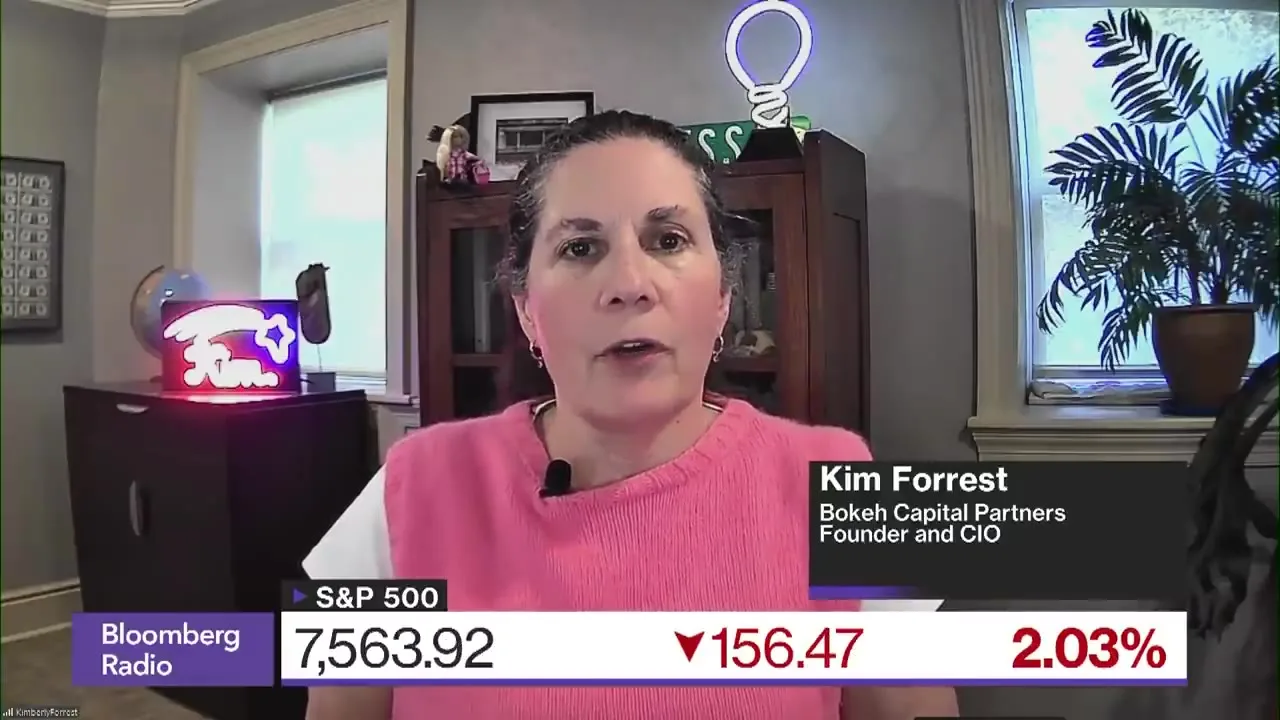
“It is a productive technology,” the interviewee said on Bloomberg Television. “It’s going to take much longer than just a couple months for this to play out.”
The investment argument also drew a distinction between large language models, the systems that generate text in response to prompts, and other forms of AI.
OpenAI and Anthropic were credited with developing effective language-processing tools. Their systems’ tendency to produce incorrect answers, sometimes called hallucinations, was identified as an obstacle to relying on them for research.
Other forms of AI already in development and use were presented as a source of future productivity gains. Those benefits depend on expanding their use and getting businesses and users to adopt them.
The discussion then turned to possible restrictions on AI development and data centers ahead of the midterm elections. Such measures were seen as slowing the technology’s development, particularly while businesses are still working out its applications.
The case against further restrictions rested partly on existing consumer protections and liability laws, which allow claims against businesses whose products cause harm. Additional limits designed by government officials were viewed as offering little benefit.
The final investment assessment stopped short of calling the decline a buying opportunity. It favored waiting to understand investors’ selling and examining companies’ future prospects and cash flows before deciding whether their shares offered value.
No purchase price, recovery timetable or estimate of future AI-related earnings accompanied that assessment. The point at which falling shares might become attractive remained open.